Humpback Whale Ecology Guide | An Explanation of Their Size, Characteristics, and When and Where They Can Be Seen in Japan
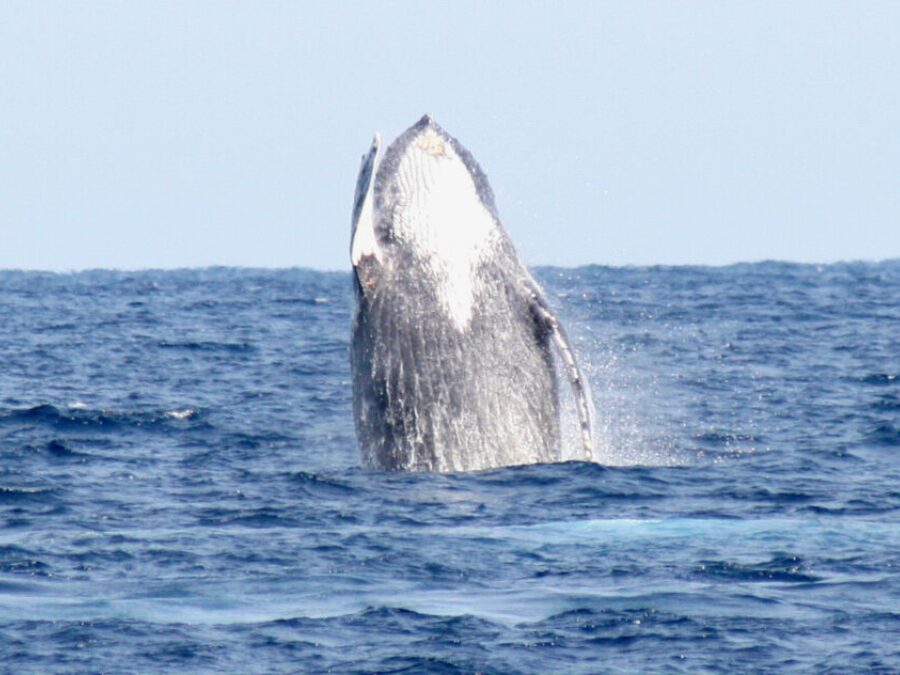
Meet on a whale watching trip
Attraction of humpback whales
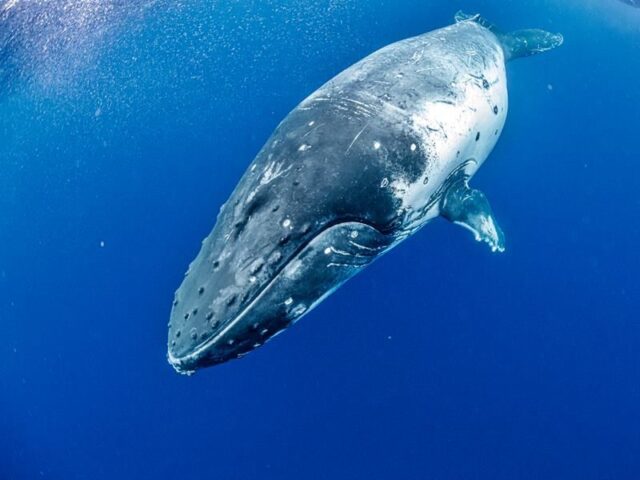
Humpback whales are the most popular whale-watching species, attracting many tourists in Okinawa, the Ogasawara Islands, other parts of Japan, and overseas.
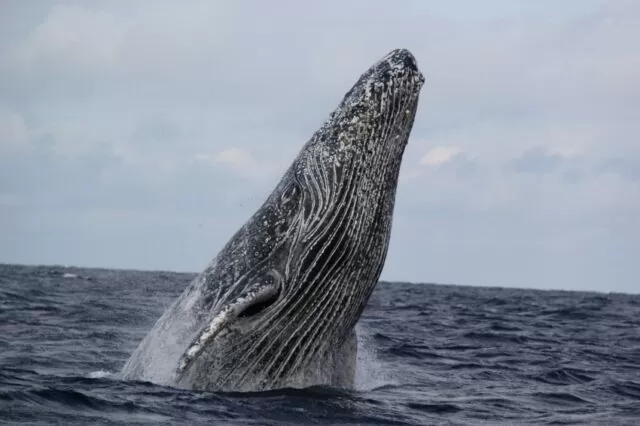
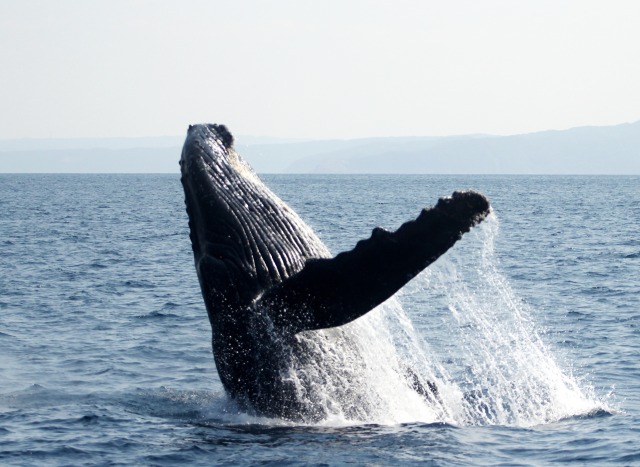
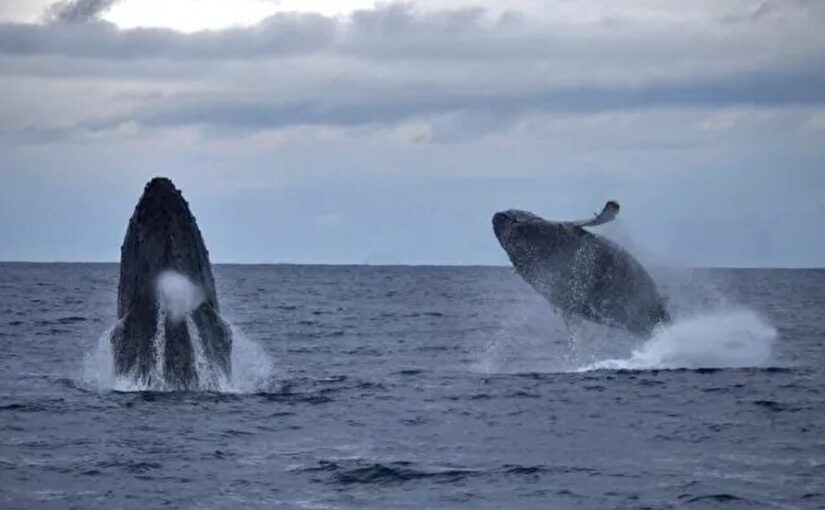
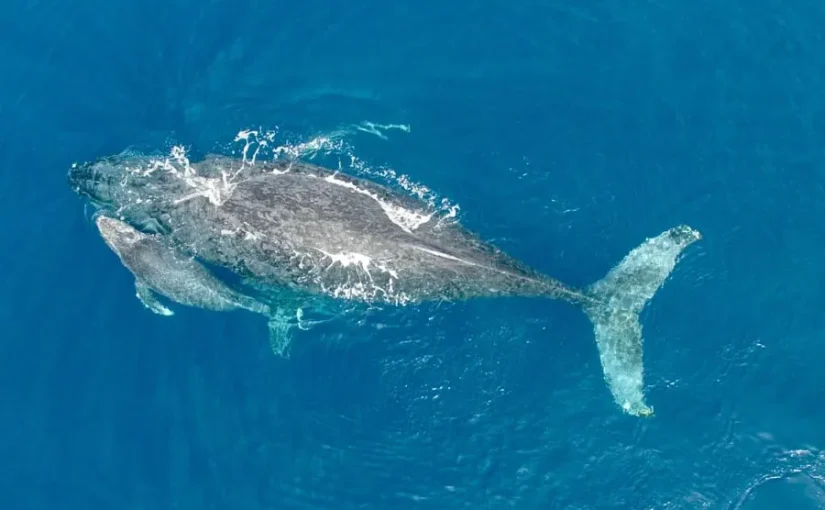
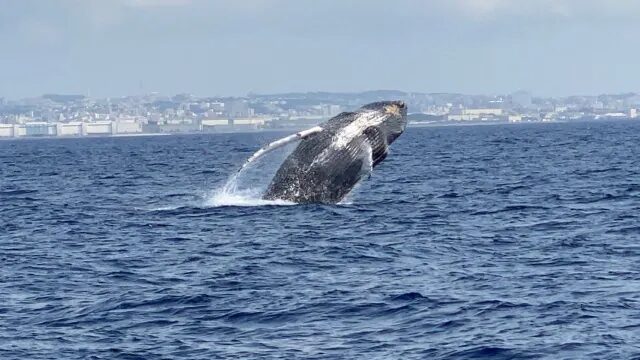
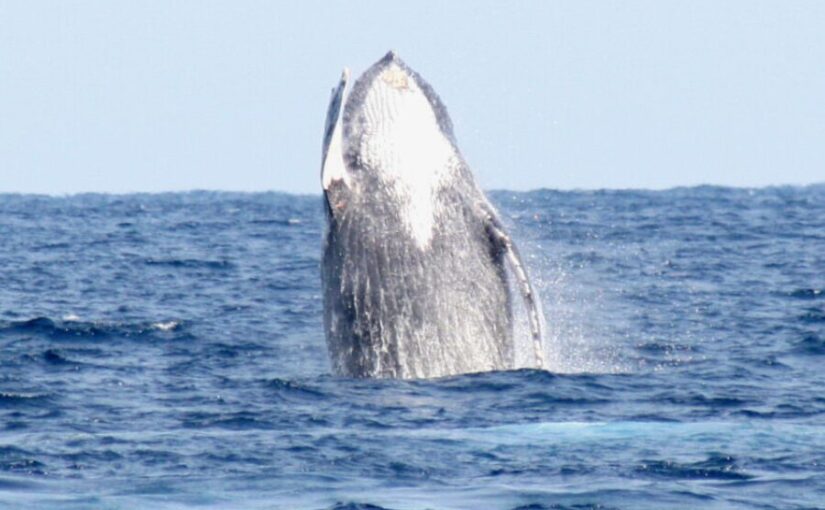
Despite their huge size (12 to 15 meters in length), they often engage in dynamic behaviors such as breaching (jumping) and tail slapping, and their powerful appearance can be observed even from the sea, which is a major attraction.
Here,Characteristics and attractions of humpback whalesThe following headings will introduce the differences between the species and their ecology, as well as the scenes encountered on whale-watching excursions!
◆Who would like to see humpback whales on a whale watching trip
◆Those who want to compare whale watching spots in Japan and overseas.
◆A beginner looking for information on whale watching
↓Click here to read the article.
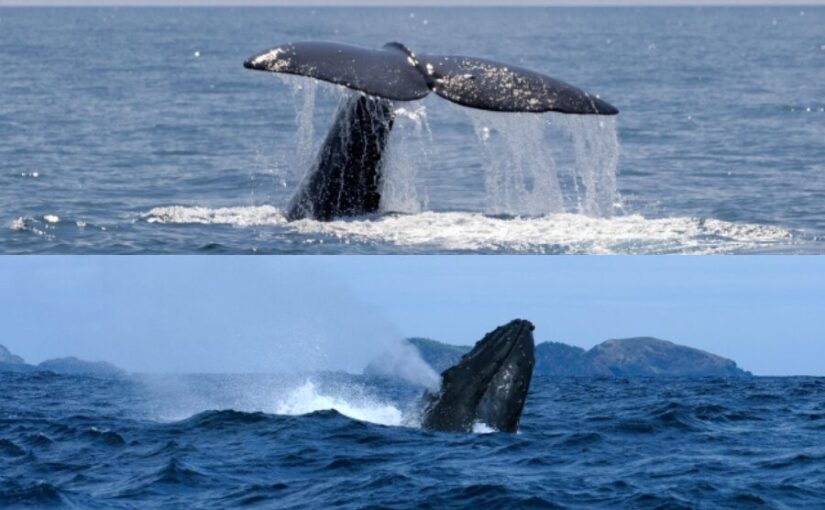
Popular whale watching tours are
this way (direction close to the speaker or towards the speaker)
What is a humpback whale?
Basic Information and Physical Characteristics
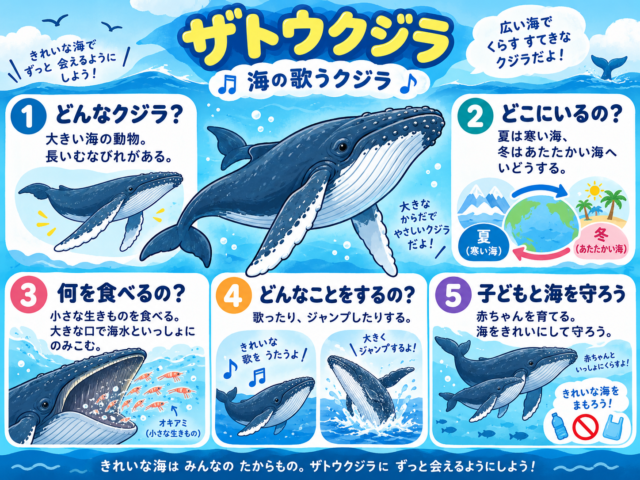
The humpback whale (scientific name: Megaptera novaeangliae) is a large whale classified in the family Balaenidae within the suborder Mysticeti.
The English name “Humpback Whale” comes from the animal’s distinctive behavior of arching its back to form a hump when diving, and this behavior is one of the highlights of whale watching.
Here,Basic Information and Physical Characteristics of Humpback WhalesLet's take a closer look!
↓Click here for popular whale watching trips from Okinawa
![[From the North · Winter Limited] Open to children ages 0 and up! Nearly 100% sighting rate ★ Thrilling Half-Day Whale Watching Tour 《Includes a Churaumi Aquarium ticket for an additional 1,700 yen!》 (No. 614)](https://whalewatchingtour.world-tours.jp/wp-content/uploads/2024/09/S__6553668-1-800x510.webp)
![[From the North · Winter Limited] Over 98% Sighting Rate Continues! Full-Day Whale Watching Tour (No. 615)](https://whalewatchingtour.world-tours.jp/wp-content/uploads/2024/10/S__6553665-799x510.webp)
Okinawa Main Island (to/from the northern part)
Click here for whale watching tours
Popular whale watching tours are
this way (direction close to the speaker or towards the speaker)
Classification and Basic Data
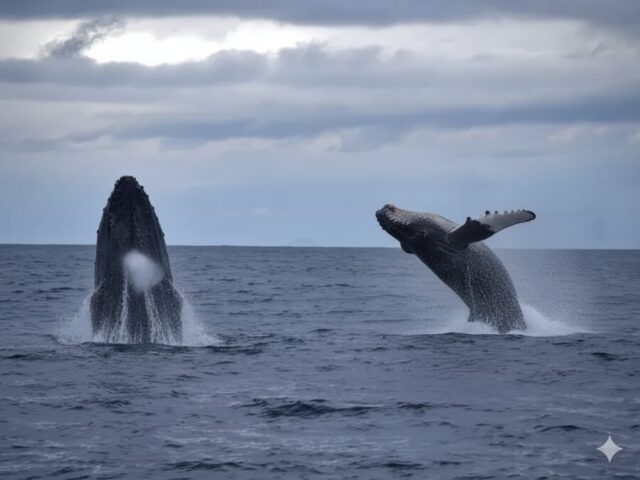
Male humpback whales are about 11 to 15 meters long, while females are slightly larger, reaching 12 to 16 meters, and weigh as much as 25 to 30 metric tons.
Although the exact lifespan has not been determined, research shows that45 to 80 years, and in some cases nearly 100 yearsIt is believed that some individuals are still alive, and it is one of the longest-living species compared to other whales.
It is widely distributed throughout the world's oceans, with separate populations in the Northern and Southern Hemispheres that migrate back and forth without interbreeding.
Physical Characteristics
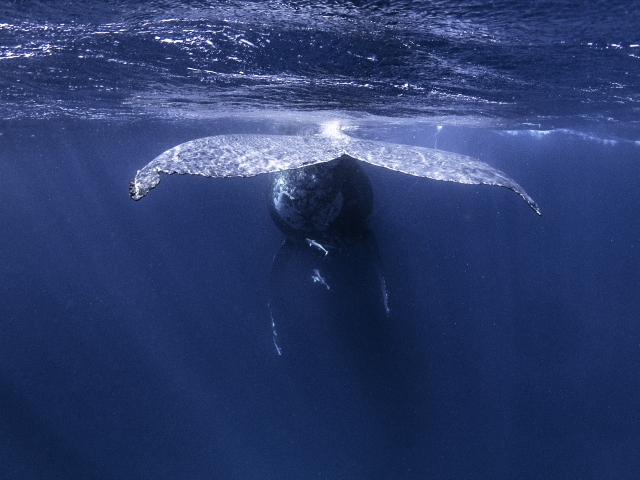
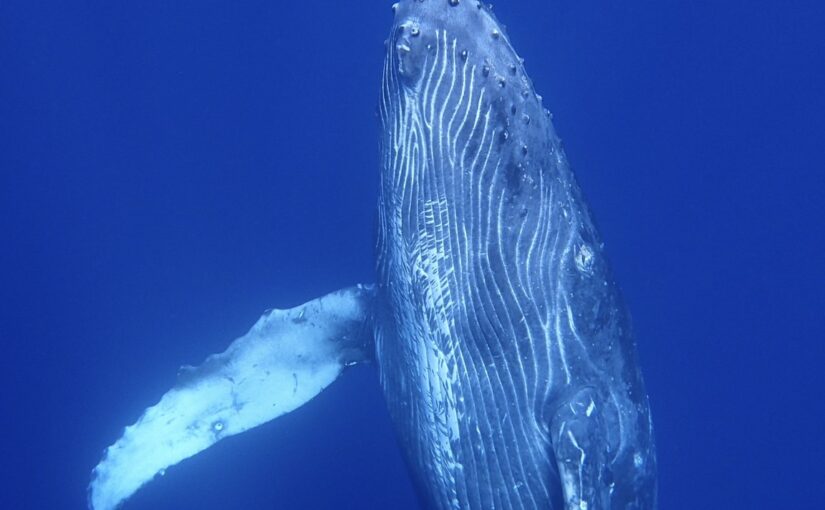
The most distinctive feature of the humpback whale is,Long pectoral fins that are nearly one-third of the body lengthThey typically have black-and-white mottled patterns. Another common behavior is the "flipper slap," in which they use their long pectoral fins to slap the water's surface.
A row of bump-like protrusions called “tubercles” runs from the head to the lower jaw; each is covered with sensory hairs, which are believed to help detect vibrations in the water and the location of prey.
In addition, the black-and-white pattern on the underside of the tail fin (fluke) varies from one individual to another; just like fingerprints, each one is unique, soResearchers identify individuals by their tail fin patterns (tail fin ID)It has been confirmed that the same individuals return to the same waters every year.
Habitat and Migration Routes
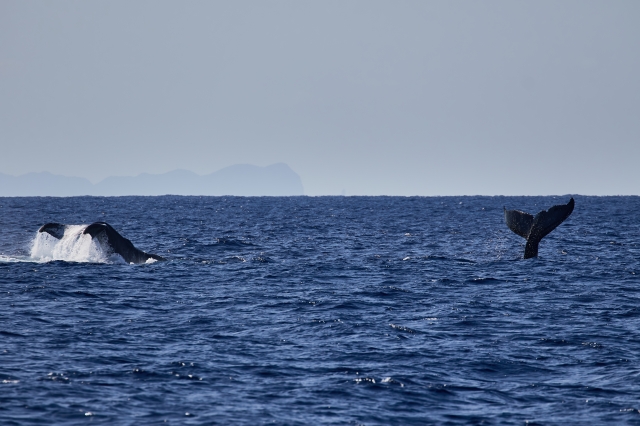
Humpback whales are highly migratory, changing their habitat significantly depending on the season; in the summer, they can be found in the Antarctic Ocean, Alaska, the North Pacific, and other areasHigh-latitude foraging groundsThere, they feed on large quantities of krill and small fish to build up their fat reserves.
On the other hand, when winter comes, places like Okinawa, Hawaii, and the coast of Mexico, among others,Warm breeding grounds at low latitudesThey travel long distances to give birth, raise their young, and engage in breeding behavior.
Their migration distance spans several thousand kilometers one way alone, and there have even been reports of individuals whose total annual migration distance exceeds 8,000 km,One of the longest-distance migrations among mammalsIt is known as a creature that does this.
A Deep Dive into the Ecology of Humpback Whales
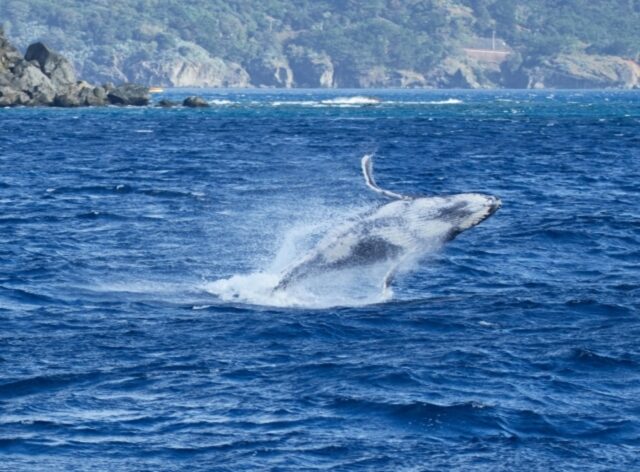
Humpback whales exhibit a wide range of behaviors and have unique characteristics in their feeding, breeding, and communication patterns.
Here,Feeding Behavior, Reproduction and Parenting, Calls, Conservation StatusWe’ll take a closer look at the ecology of humpback whales from these four perspectives!
↓Click here for popular whale watching spots on Amami Oshima.
↓Click here for popular whale swims on Amami Oshima.
![[Amami Oshima / Winter Only] Experience Even the Whales' Breathing☆ Whale Swim (Whale Watching & Snorkeling) 1-Day Tour★ Participation Requirements Apply](https://whalewatchingtour.world-tours.jp/wp-content/uploads/2023/09/IMG_6049-825x510.webp)
Feeding Habits and Bubble-Net Feeding
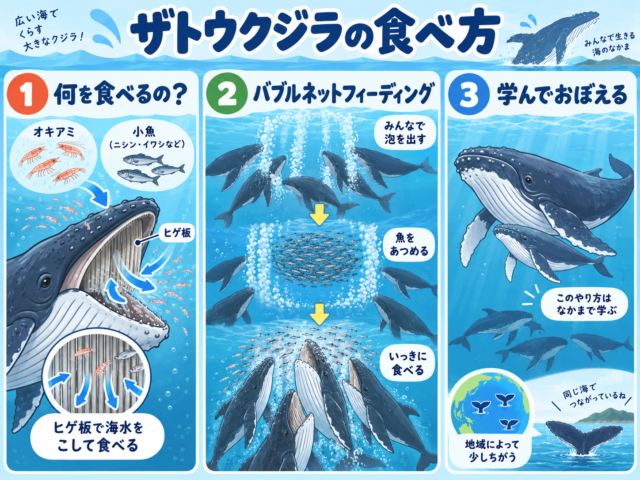
Humpback whales have no teeth; instead, they use the “baleen” plates lined up along their upper jaw to swallow prey along with seawater, then filter out the water and expel it, feeding on krill, herring, sardines, and other small fish.
Among them, the most famous isBubble-Net FeedingThis is a foraging behavior known as [...], in which multiple individuals cooperate underwater to create a curtain of bubbles, herding a school of fish into it before swallowing them all at once—a highly sophisticated form of social behavior.
This behavior is not innate, but rather,Learned and passed down within the groupIt is believed that this is the case, and it is also interesting to note that there are differences in how bubbles are formed and how individuals coordinate their actions depending on the region and population.
The Cycle of Reproduction and Parenting
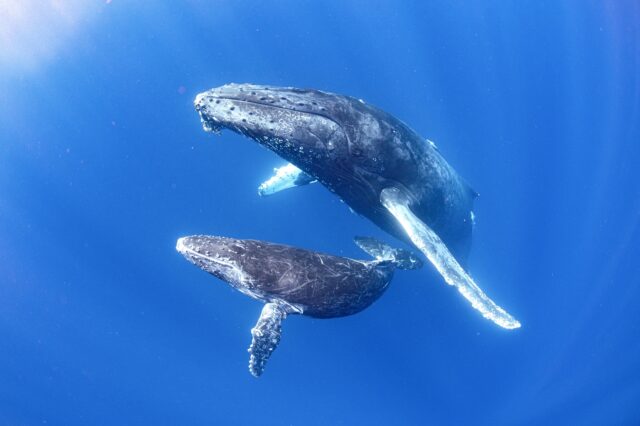
The gestation period for humpback whales is approximately 11 to 12 months, and in most cases, they give birth to a single calf in their winter breeding grounds.
Newborn calves are already 4 to 5 meters long and weigh about 1 to 2 metric tons; they grow rapidly by feeding on milk that is very high in fat and generally become almost fully independent by about one year of age.
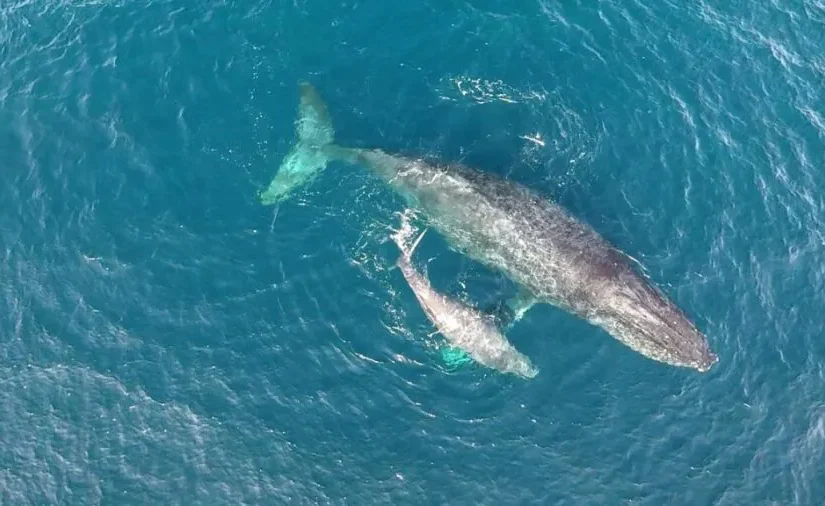
During the breeding season, males sometimes engage in intense competitive behavior—known as “heat runs”—involving ramming and threatening displays as they vie for females. The contrast between this behavior and the peaceful sight of mothers and calves swimming closely together is one of the highlights of whale watching.
Natural Enemies and the History of Conservation
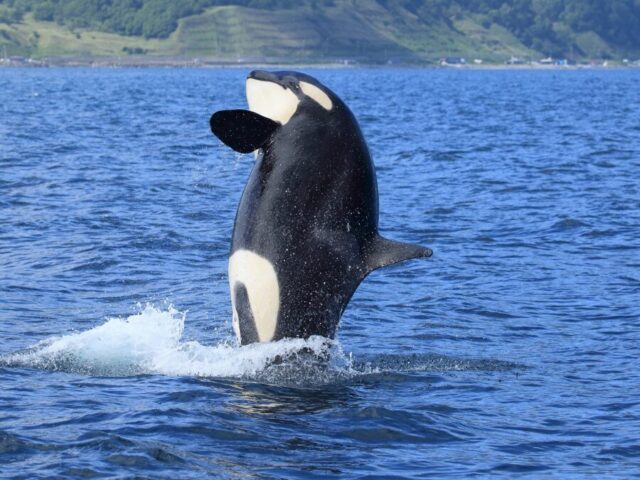
The humpback whale's main predator is the orca, and there have been reports of young whales—which are particularly vulnerable—being attacked in groups.
In the first half of the 20th century, global commercial whaling caused their populations to plummet dramatically, and at one point they were on the brink of extinction; however, following the 1966 international whaling moratorium (a conservation measure),The population is showing a steady trend of recoveryIt is listed as such, and the IUCN (International Union for Conservation of Nature) has revised its assessment to a lower risk category (although there are regional variations).
Risks such as collisions with ships and bycatch in fishing gear still remain, andAnimal Welfare Activities in Various RegionsIt is also a species that is being watched over by them.
Differences from sperm whales and blue whales
Humpback whales are migratory and gather in warmer waters in winter to breed, while sperm whales are deep-sea and have very high diving ability, limiting the areas where they can be observed.
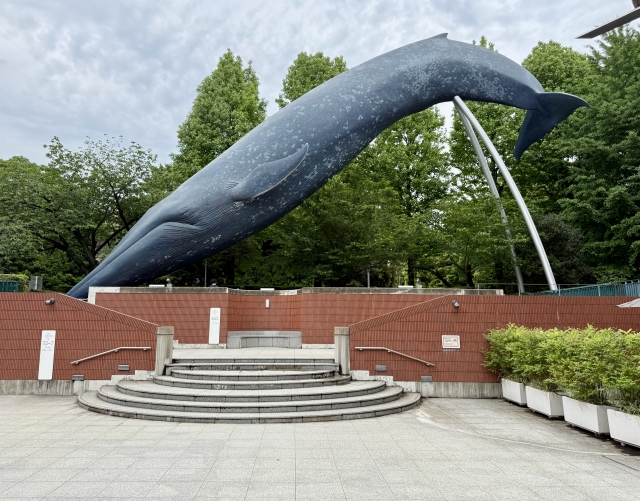
Blue whales, on the other hand, areThe World's Largest AnimalAlthough they migrate over a wide area of ocean, including the Antarctic Ocean, whale-watching encounters with them are not frequent.
Compared to these, humpback whales are more flashy in their behavior and spend more time at the surface,Easy to observeThis makes it a perfect species for whale watching in Japan and abroad.
| type | feature | Habitat & Migration | Ease of observation |
|---|---|---|---|
| humpback whale (Megaptera novaeangliae) | Bleaching and other flamboyant behavior. | Migrate to warmer waters in winter (breeding) | Longer time at sea surface,One of the most easily observed species |
| sperm whale | Deep-sea nature, very high diving ability (long time diving) | Inhabits deep waters, observed in certain areas | To dive for a long time,Encounter rate is somewhat low |
| blue whale (Balaenoptera musculus) | World's largest animal (over 30 m long) | Migration over a wide area including the Antarctic Ocean | Wide range of activities,Encounter rate is low |
Why are humpback whales so popular?

Humpback whales are active and visible at the surface of the ocean,High rate of whale watching encounters.It is also easy for beginners to be impressed by it.
Especially in breeding grounds like Okinawa and the Ogasawara Islands, visitors can observe mother-and-calf pairs and courtship behaviors, which are a real treat for tour participants!
Furthermore, compared to other whales, the behavior of whales is more dynamic, and many of the scenes are more photogenic, making whale watching a popular activity both in Japan and overseas.Typical leading roleIt is popularly known as
Click here for our popular whale-swimming tours↓
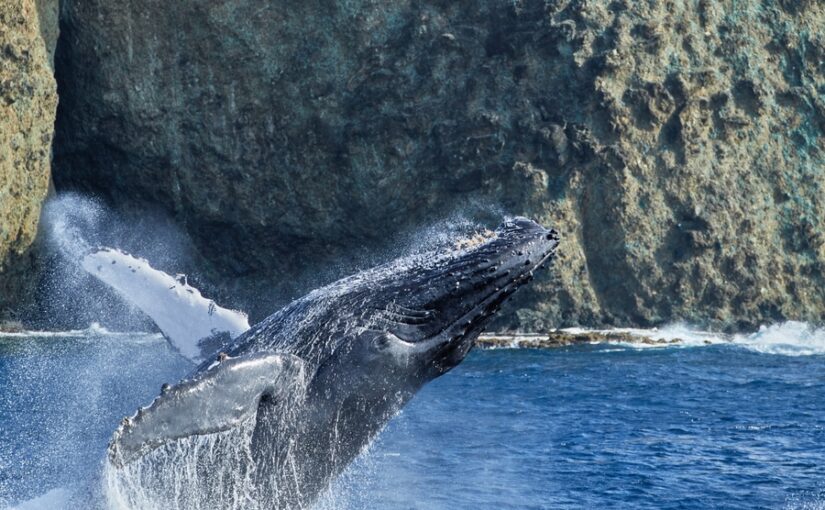
Latest! Whale Swim Tours
Click here for a list of popular rankings
Basic Knowledge of Whale Watching
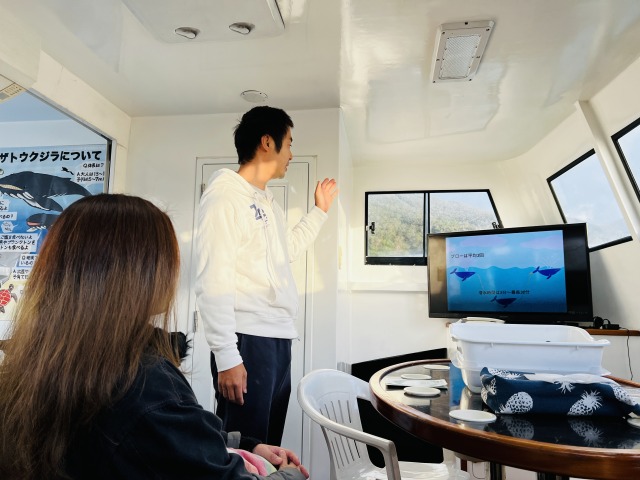
Whale watching is an activity that deals with nature, and understanding how to observe whales and what to look out for based on their biology can make a big difference in satisfaction.
Especially for beginners, it is important to ask, "What time of year should I go?" "Why are they called the worst tours?" What kind of tours are the best? What kind of tour will not fail?Acquire prior knowledge.It is important to
Next, we’ll explain in detail the basics for enjoying yourself safely, as well as key points to keep in mind so you won’t regret your choice of tour!
↓Click here to read the article.
Popular whale watching tours are
this way (direction close to the speaker or towards the speaker)
Notes for beginners to know

On a whale watching tripHighly affected by weather and sea conditionsTherefore, it is necessary to understand that there are days when sailing is not possible.
Also, because whales are wild animals, they are not 100% encounterable, and even when a whale is listed as "guaranteed," it is often on a conditional basis.
Take adequate measures against seasickness and cold weather,Participate in a reasonable scheduleThis will make it a tour that even beginners can enjoy with peace of mind!
Causes and countermeasures for the "worst" in Okinawa

You may search the Internet for "Okinawa whale watching at its worst," mostly because of the experiences of "not seeing whales" and "getting seasick was tough.
Okinawa in winter is particularly windy and prone to high waves, so it is important for those who get easily intoxicated to choose a tour with a larger boat and a more stable route.
Also,Operators with high encounter times and proven track recordYou can enjoy a highly satisfying whale-watching experience if you choose
Encounter rate almost 1001 TP3T!
↓Click here for popular whale watching tours.
![[From the North · Winter Limited] Nearly 100% Sighting Rate %★ Thrilling Whale Watching & Boat Diving Experience Tour (No. 616)](https://whalewatchingtour.world-tours.jp/wp-content/uploads/2024/10/S__6553671-e1715580036233-825x510.webp)
![[From the North · Winter Limited] Open to ages 4 and up! Nearly 100% sighting rate ★ Thrilling Whale Watching & Boat Snorkeling Tour (No. 617)](https://whalewatchingtour.world-tours.jp/wp-content/uploads/2024/10/S__6553672-e1715580289900-825x510.webp)
↓Click here to read the article.
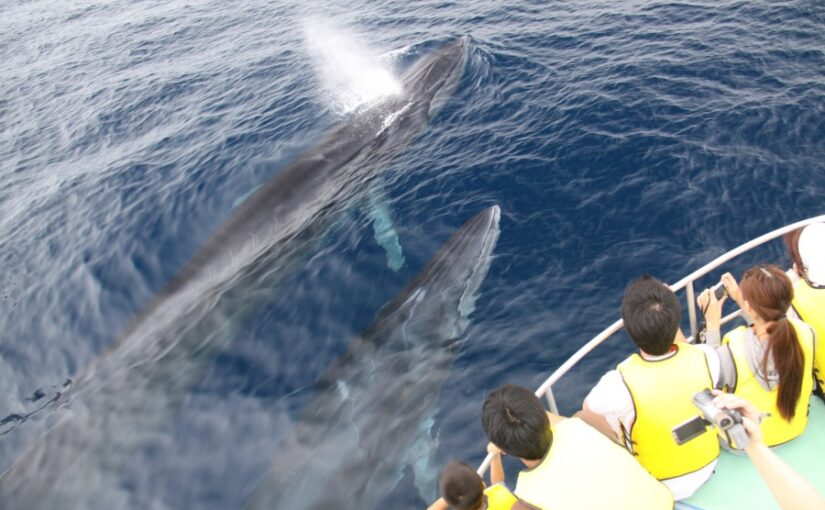
Criteria for choosing a more satisfying tour

To ensure a satisfactory whale-watching experience, it is important to compare and choose the best whale-watching tour based on word-of-mouth ratings, past encounter rates, size of the vessel, and adherence to safety standards.
Tours with experienced guides on board provide detailed explanations and take you to observation points while predicting the behavior of the whales.
Also,Availability of photography support and money-back guaranteeare also criteria for tour selection and can create a more secure environment for participation.
Humpback Whale Watching Spots in Japan
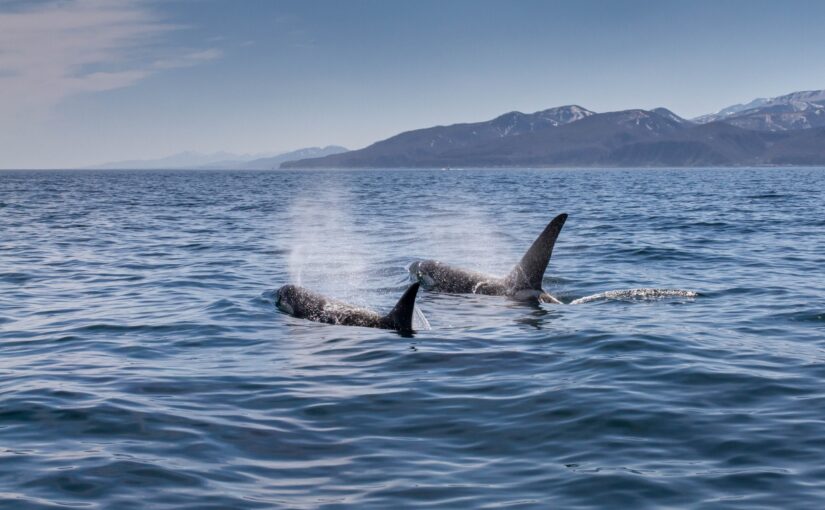
There are several major areas in Japan where humpback whales congregate, and the behaviors and scenery that can be observed vary by region.
The Okinawa and Kerama Islands are the most popular in Japan, while the Ogasawara Islands, Wakayama, and Hokkaido can also be observed depending on the season.
Characteristics of each regionBy learning about these things, you can choose a whale-watching spot that suits your needs, leading to a more fulfilling viewing experience!
↓Click here to read the article.
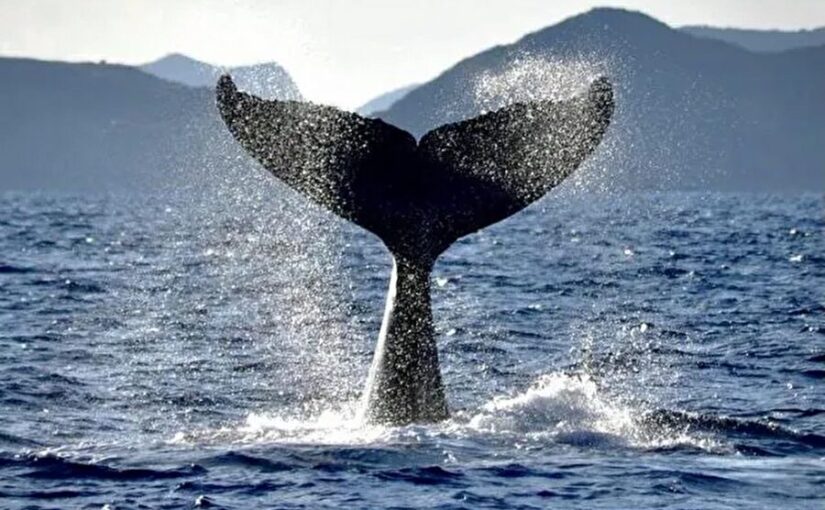
Popular whale watching tours are
this way (direction close to the speaker or towards the speaker)
main island of Okinawa
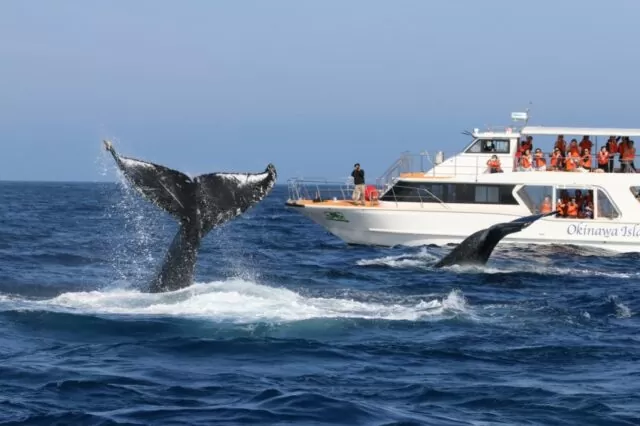
Humpback whales gather around the main island of Okinawa from winter to spring to breed,Very high encounter rateThis makes it one of the most popular whale-watching spots in the country.
Tours departing from Naha are attractive because they are accessible and easy for beginners to join, and you may be able to observe parent and child whales and their courtship behavior.
The clarity of the ocean is high, and on calm days, underwater silhouettes can be seen, making this one of the most fulfilling watching experiences in Japan.
Held in Okinawa!
↓Click here for popular whale watching tours.
Kerama Islands (Zamami, Tokashiki)
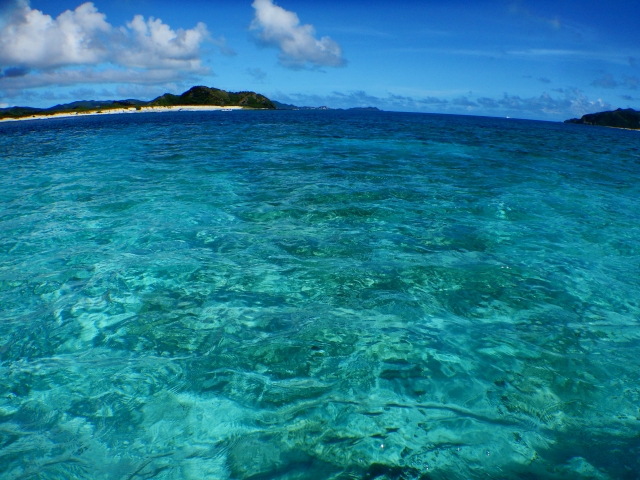
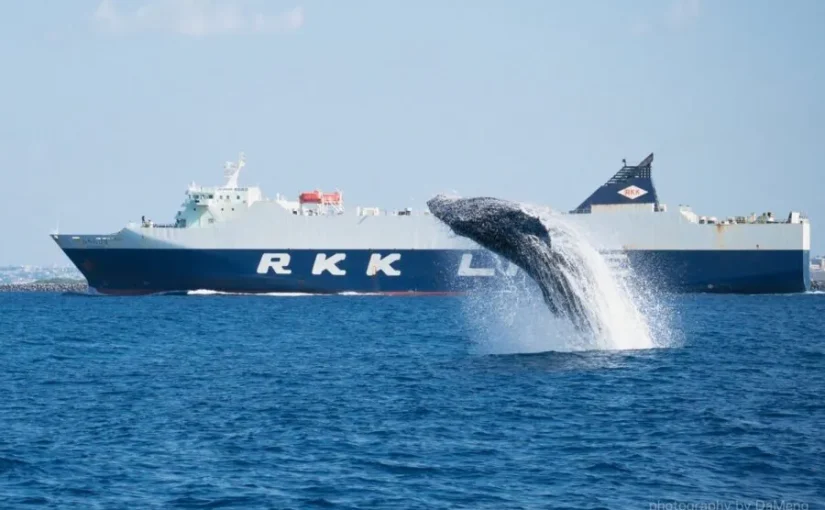
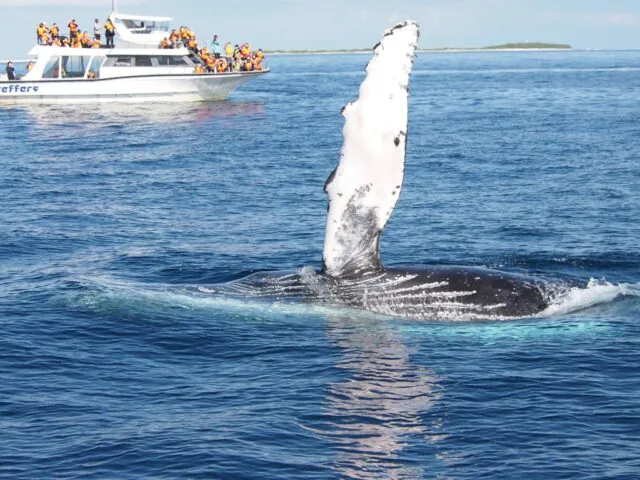
The Kerama Islands areOne of the clearest seas in the worldand is highly regarded as the best area for observing humpback whales.
The areas around Zamami and Tokashiki are located in the center of the breeding area, and many tours are conducted by expert guides because it is easy to see the parent and calf whales and their behavior in the water.
Many tours from the island are small-group tours, and the great attraction is that you can enjoy whale-watching at a closer distance with a more powerful experience.
Held in the Kerama Islands!
↓Click here for popular whale watching tours.
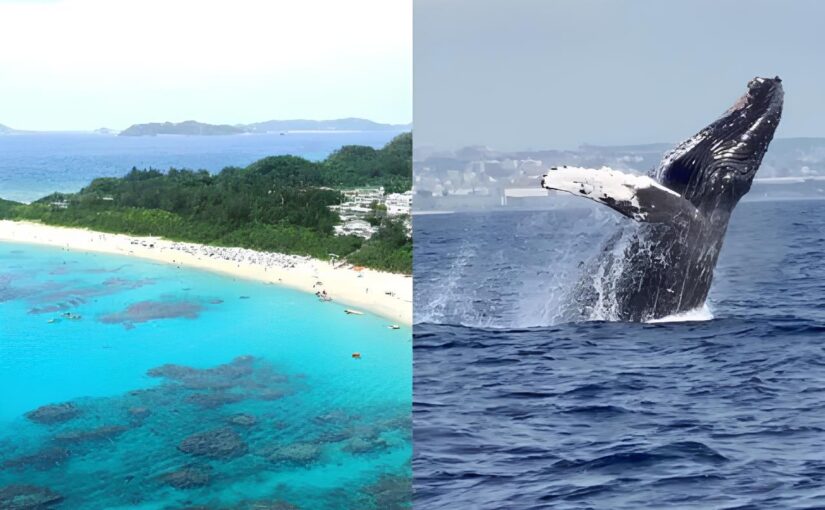
Amami Oshima
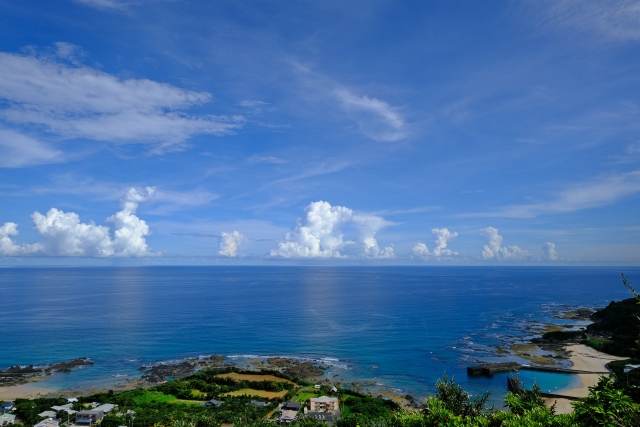
Amami Oshima Island is one of the best spots for whale watching during the winter and spring (approximately December to March) when large numbers of humpback whales migrate south to breed and raise their young.
The main attraction of whale watching on Amami Oshima is that many sightseeing tours are stable on large cruisers, and even those who worry about seasickness can participate with relative peace of mind.
In addition to just "seeing", if the conditions are right, you can also seeWhale Swim with WhalesYou can also try your hand at the "Humpback Whale Challenge," a wild and special experience where you can get up close and personal with humpback whales.
Held on Amami Oshima!
↓Click here for popular whale watching tours.
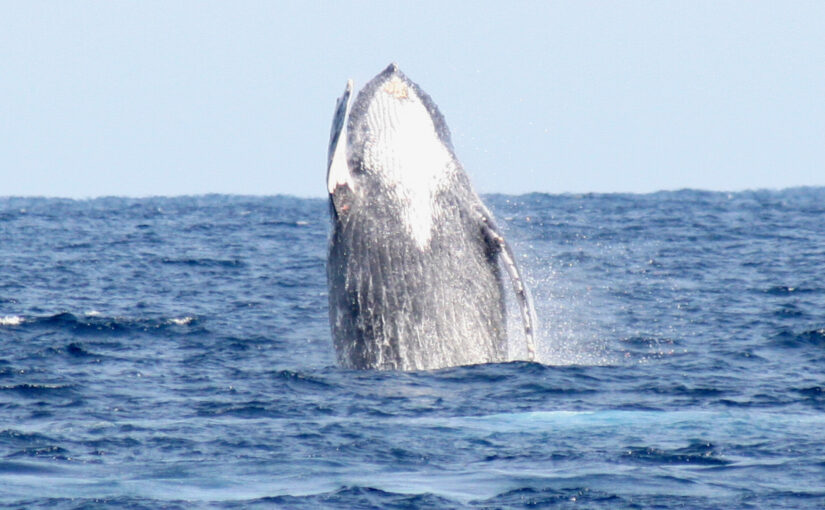
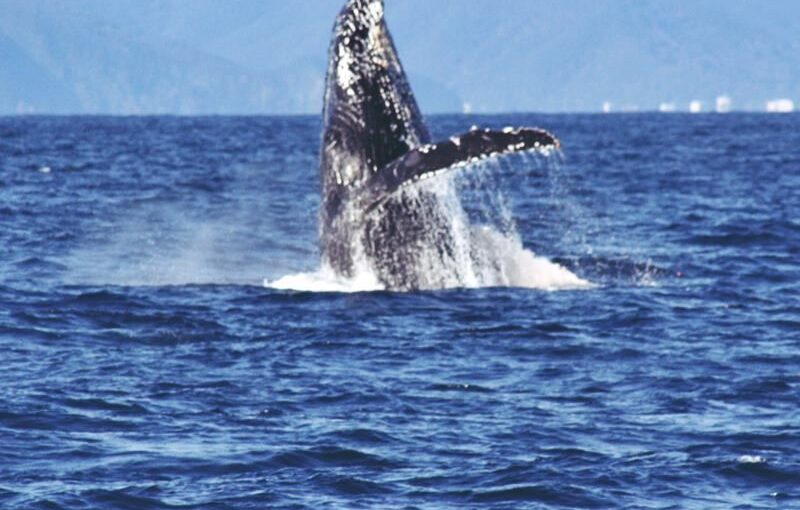
Swim with humpback whales on Amami Oshima Island!
↓Whale Swim Tour
Hokkaido (northernmost of the four main islands of Japan)
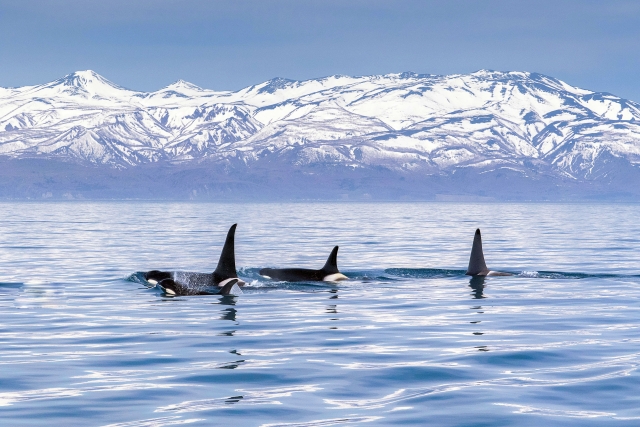
Hokkaido is popular for whale watching in summer, and areas such as Kushiro and Shiretoko are home to porpoises, sperm whales, and minke whales.Diverse marine lifeYou can meet the
The areas where humpback whales can be observed change with the seasons, but there is a chance to see them migrating over vast areas of ocean!
Especially in Shiretoko, visitors can feel the powerful marine ecosystem, and the area is very satisfying as a nature observation.
Held in Hokkaido, Japan!
↓Click here for popular whale watching tours.
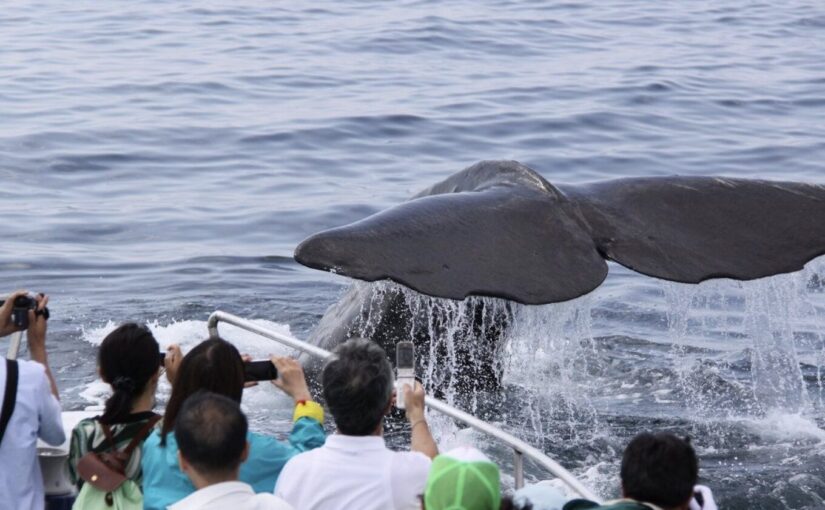
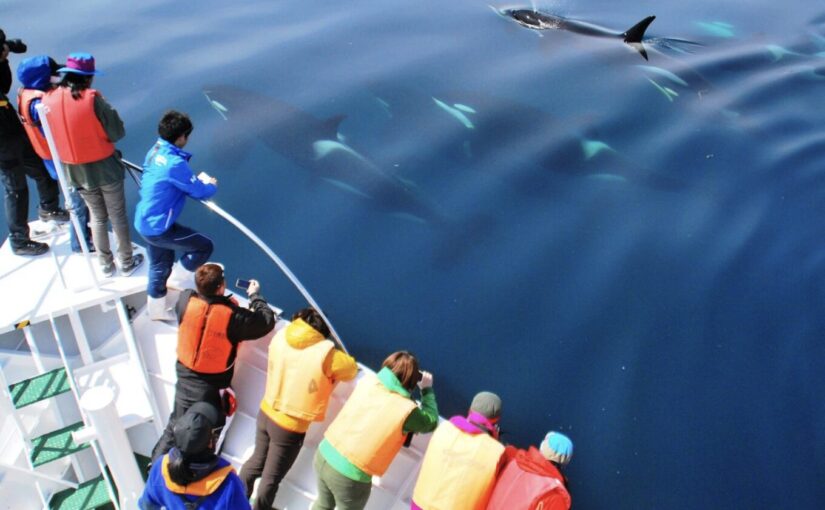
↓Click here to read the article.
Ogasawara Islands
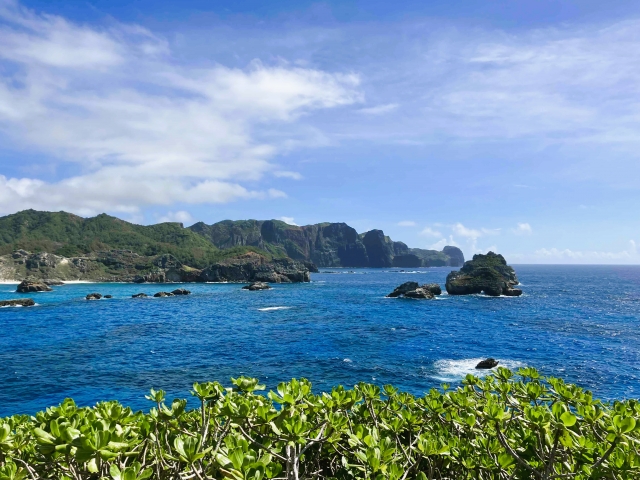
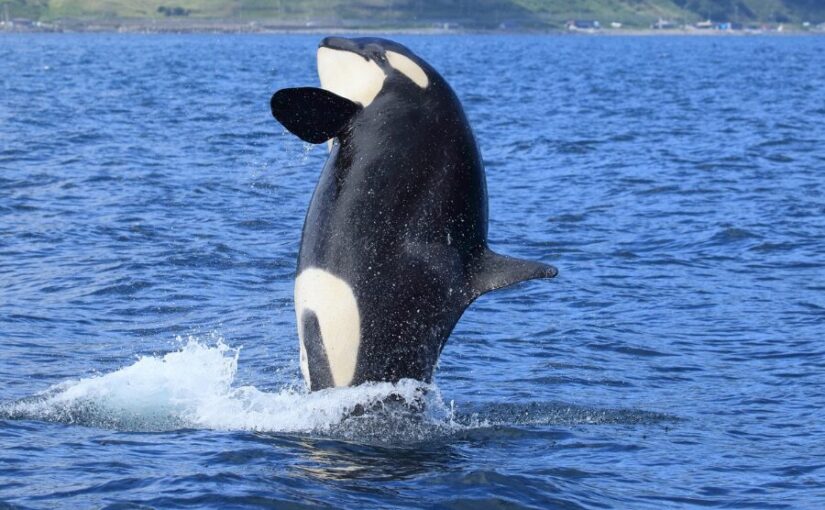
The Ogasawara Islands are registered as a World Natural Heritage site,High encounter rate with dolphins as well as humpback whalesIt is known for its
Because the area is used as a breeding ground, it is a sacred place for whale-watching, where you can observe parent and calf whales and their courtship behavior in winter.
Access is limited, requiring a 24-hour boat ride from Tokyo, but this is the reason for the pristine nature and the powerful whales that can be observed up close.
Wakayama

Wakayama Prefecture is a sea area where the Kuroshio Current flows, and culture related to whales and dolphins is deeply rooted, especially in the area around Taiji Town.
While the chances of encountering humpback whales aren’t as high as in Okinawa, depending on the season, you might spot them during their migration—and the fact that it’s so easy to join from mainland Japan is a big draw!
Aim for periods when sea conditions are relatively stable, as this will give you the best chance to observe them,Popular for day trips from the Kansai area.There are
↓Click here to read the article.
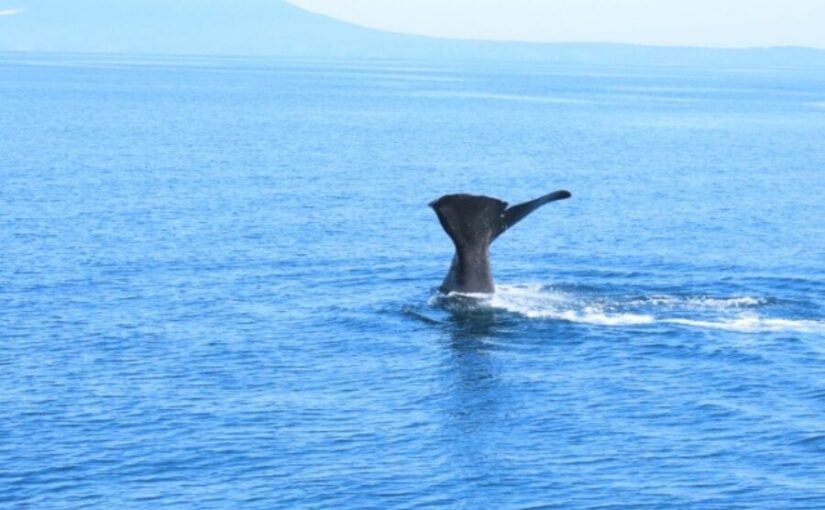
Best time for whale watching
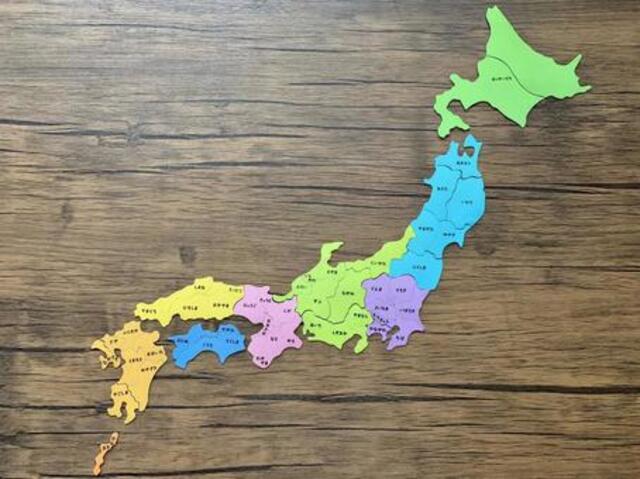
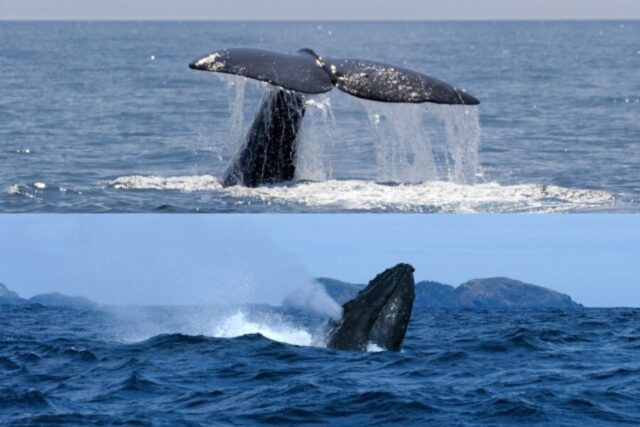
Since whale-watching encounters vary greatly depending on the season, it is important to know the best time of year for each region.
Humpback whales are observed in Japan mainly from winter to spring because of their migratory pattern of gathering in the breeding grounds in winter and returning to higher latitudes in summer.
Next, we will introduce the best seasons in major regions such as Okinawa, Ogasawara, Wakayama and Hokkaido,Enjoyment by RegionLet's take a closer look!
↓Click here to read the article.
Popular whale watching tours are
this way (direction close to the speaker or towards the speaker)
Best Season in Okinawa
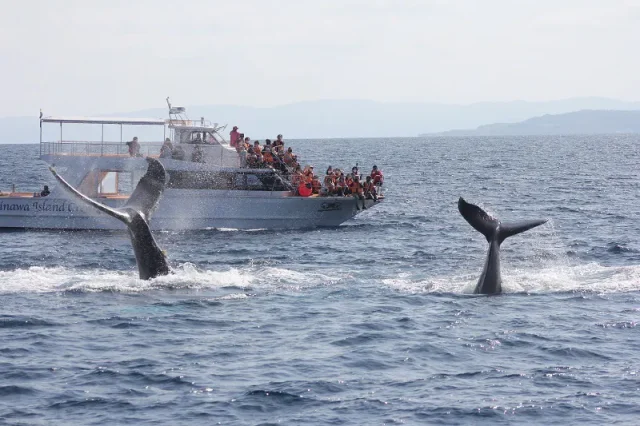
You can see humpback whales in Okinawa.End of December - Beginning of AprilDuring this period, the encounter rate is very high, and many whale-watching tours are held.
Since whales gather here to breed, it’s common to spot mother-and-calf pairs, making it an ideal environment for even beginners to observe them!
Although the winter sea can be windy on some days, if you check the tour company's operation record and choose a day with good conditions, you will have a better chance of enjoying the powerful scene.
Seasons and Characteristics of the Ogasawara Islands
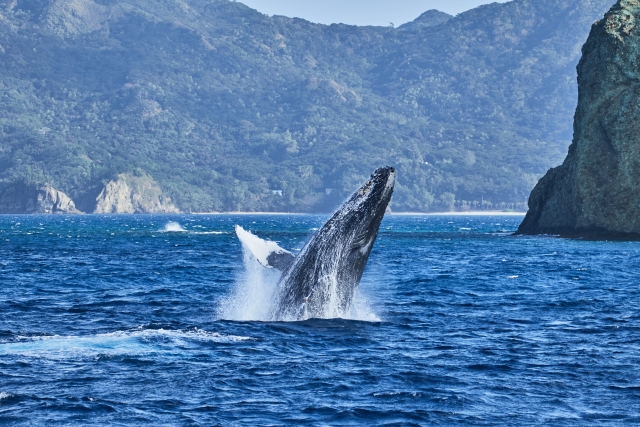
In the Ogasawara IslandsJanuary-Aprilis the peak period for observing humpback whales, and is a valuable time to see breeding behavior and parent and calf whales.
The Ogasawara waters are highly transparent, and depending on conditions, underwater silhouettes and close-up observations can be made!
The high encounter rate with dolphins is also an attraction, and the area is popular as one of the few areas where both whales and dolphins can be observed at the same time.
Best time of year for Wakayama, Hokkaido, and other regions

In Wakayama, whale migration route approaches the coastSpring to early summer(The best time to go whale-watching is from April to June, and some years the number of sightings increases around the turn of the season.
Meanwhile, in the waters of Shiretoko and Nemuro in HokkaidoSpring - Fall(The best season (late April to October) is from May to July (orcas) and from July to September (sperm whales), so you can expect to see a variety of whales.
Observation seasons vary widely from region to region.Therefore, whale watching can be enjoyed throughout the year in various parts of Japan, including winter and spring in Okinawa, spring and fall in Hokkaido, and early summer in various parts of Honshu, if you choose the right location.
Popular whale watching tours in Hokkaido are
Click here↓↓
Humpback Whale Hunting Overseas
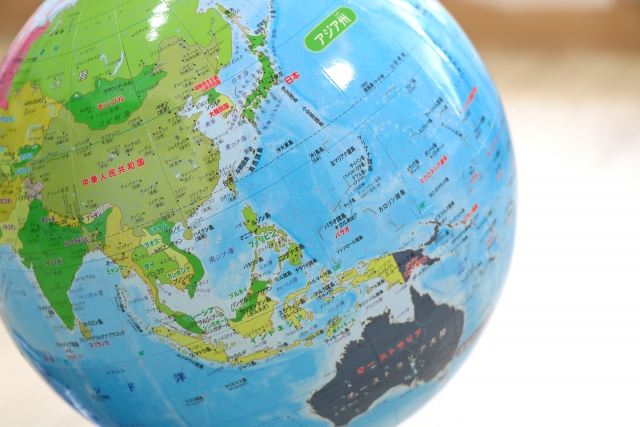
Overseas, humpback whales can be observed in a different behavioral pattern and environment than in Japan, and more and more people are enjoying them in combination with their trips.
Hawaii, Alaska, and other areas in the United States are particularly popular, and in the southern hemisphere, Australia and New Zealand also offer powerful whale-watching experiences.
Here,Typical observation spots in each countryLet's take a look at what makes it so appealing!
↓Click here to read the article.
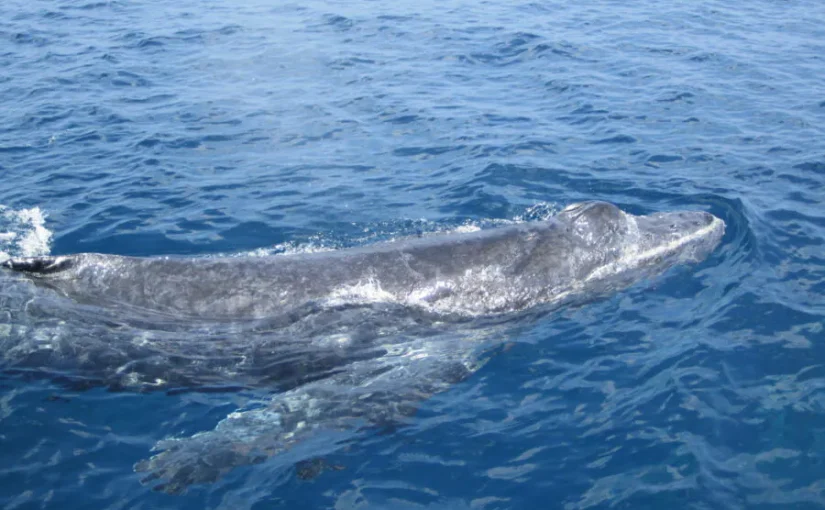
Popular whale watching tours are
this way (direction close to the speaker or towards the speaker)
Hawaii
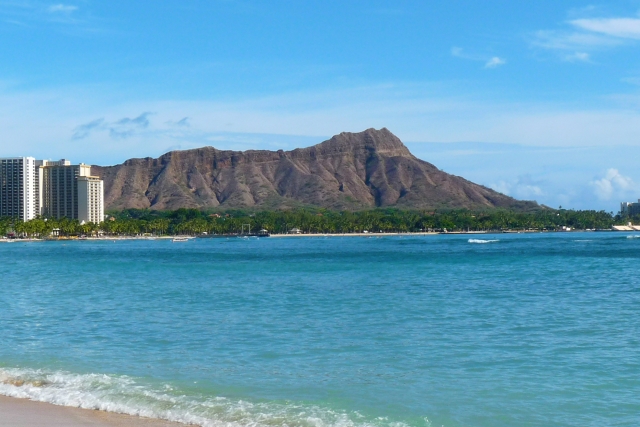
The Hawaiian island of Maui is known as one of the best places in the world to observe humpback whales,December-AprilMany whales gather to breed during the
The waters around Lahaina, off the coast of Maui, are calm, making it easy for beginners to observe the powerful breaching and parent and calf whales.
Also,Wide variety of toursand there are many options such as catamarans and small boats.
Alaska and other North American areas
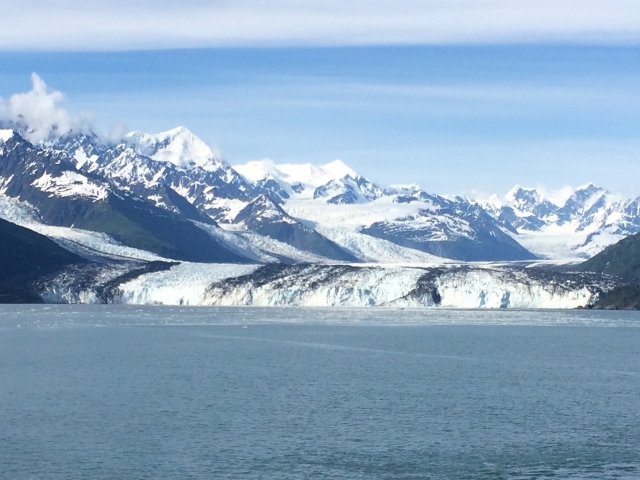
In Alaska, humpback whales gather to forage (feed) mainly in the summer,Cooperative behavior called bubble-net feedingmay be observed.
This is the behavior of multiple whales forming a circle of bubbles and driving fish into them to eat, and is one of the most popular whale-watching scenes in the world.
Combined with the vast nature of Alaska, it is highly regarded as a powerful observation experience.
Australia and New Zealand
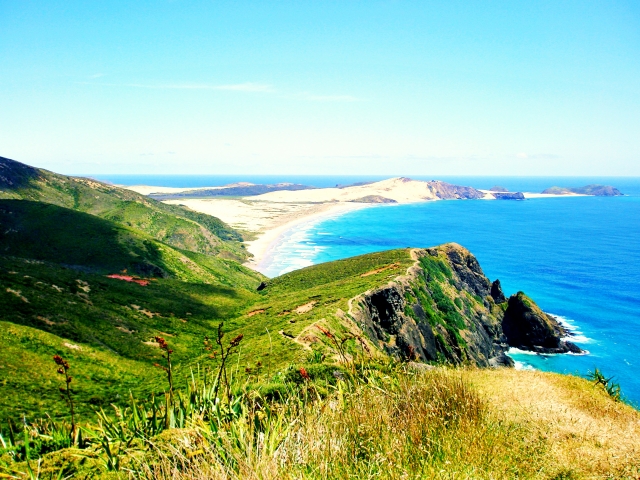
Cairns and the Gold Coast on the east coast of Australia and Kaikoura in New Zealand are also famous areas for humpback whale watching.
Because the seasons are reversed in the southern hemisphere,June-Octoberis the peak season for whale watching,Enjoy observation during the off-season in JapanIt's a popular spot in the area!
Many places are visible from along the coast, and one of the attractions is that whales can sometimes be observed without getting on a boat.
Observation points and tips for photographing humpback whales
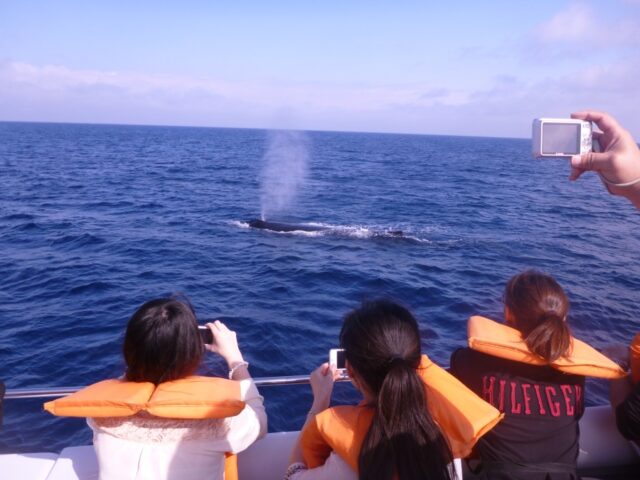
To better enjoy whale watching, it is important to predict whale behavior and understand the best positions and angles from which to observe the whales.
Furthermore, to take powerful pictures, you need to know the appropriate settings and how to hold each phone and camera.
Here,Observation points to avoid missing whalesand photography techniques that even beginners can put into practice!
Popular whale watching tours are
this way (direction close to the speaker or towards the speaker)
Tips for not missing humpback whales
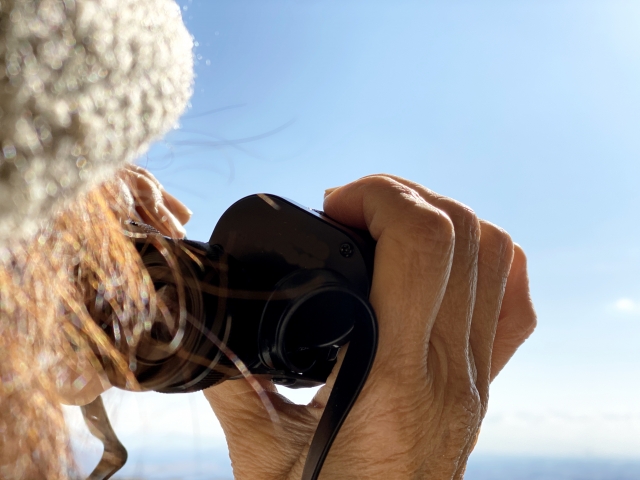
Humpback whales regularly come to the surface of the ocean to breathe,Finding the Squirting Blowis the first step in observation.
In addition, parent and calf whales often move more slowly, a characteristic that makes it easier to grasp their behavioral patterns.
By listening carefully to the guide's instructions and knowing where on the ship the best vantage points are, you will be able to avoid missing anything and have a more satisfying watching experience.
Key points to take pictures with your phone/camera
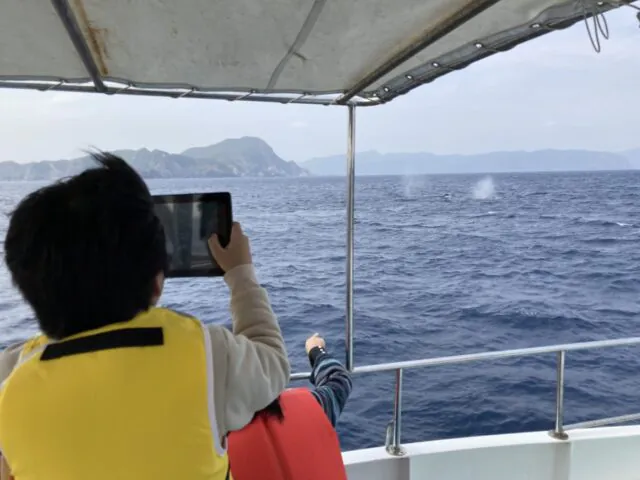
Whale-watching photography is difficult because the whales' movements are difficult to predict.Use of continuous modeis effective!
The trick with a smartphone is to hold it wide open and crop it later, as zooming too much will degrade the image quality.
A telephoto lens is useful with a single-lens reflex camera, but on a rocking boat, it is easier to take clear pictures by utilizing image stabilization and setting a faster shutter speed.
Precautions against seasickness and things to prepare

To prevent seasickness, it is important to take anti-sickness medication, avoid an empty or full stomach, and sit in the center of the ship where there is less swaying.
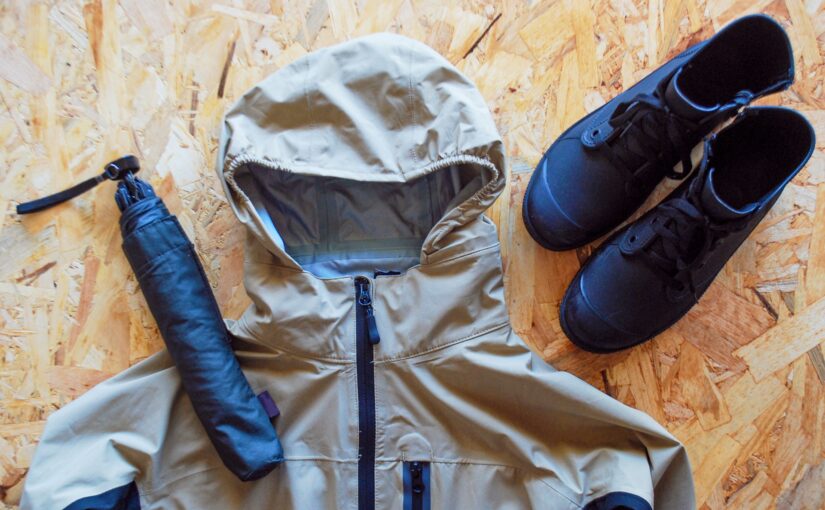
In addition, because winter whale-watching is windy, it is essential to wear warm clothes and rainwear.
In addition, a hat, sunscreen, and shoes that can get wet will help ensure a comfortable and safe tour experience.
Avoid hunger and fullness and adjust with light meals
Sit near the center of the ship, where there is less swaying.
The eye line is less likely to get drunk when looking at the horizon.
◆Preparation of warmth and clothing
Winter is windy, so warm clothes are essential.
Rainwear for wind and splash protection
◆Things to bring
Hat, sunscreen
Towels and blankets
Waterproof case for smartphones
Shoes that can get wet and are non-slip
◆Things that are useful to have
Binoculars
Anti-sickness patches and lozenges
↓Click here to read the article.
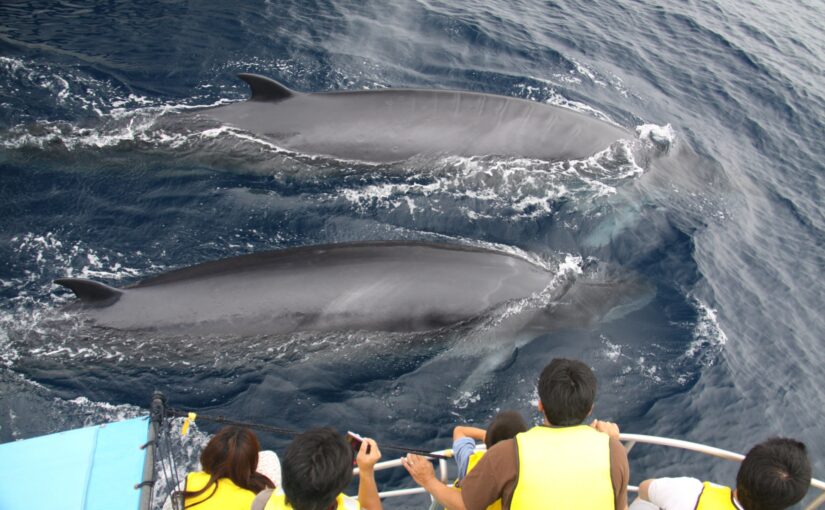
Whale watching (humpback whales)
Frequently Asked Questions (FAQ)
summary
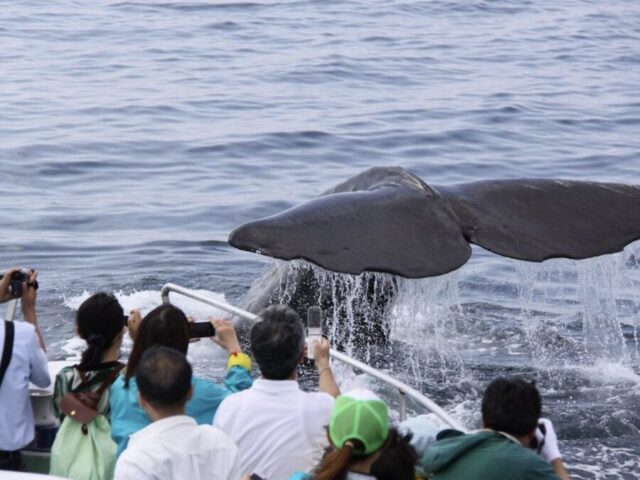
Whale watching for humpback whales is,Can be enjoyed in Japan and abroadIt is a popular activity and each region has different attractions and seasons.
By understanding whale ecology and observation points, and by keeping in mind the best season for each region and how to choose the best tours,Highly satisfying experience even for first-time visitorsis obtained.
Because this is an activity that deals with nature, please enjoy a safe and memorable whale watching experience by preparing in advance and having the proper knowledge.
↓Click here to read the article.
































![[Southern Amami / Winter Only] Achieved a 90% sighting rate in 2023! A thrilling half-day whale-watching tour open to guests of all ages, including infants](https://whalewatchingtour.world-tours.jp/wp-content/uploads/2024/09/9c058170da2c919ccc0b8dbead7c7ee8.webp)
![[Amami Oshima / Winter Only] Experience Even the Whales' Breathing☆ Whale Swim (Whale Watching & Snorkeling) 1-Day Tour★ Participation Requirements Apply](https://whalewatchingtour.world-tours.jp/wp-content/uploads/2023/09/IMG_6047-scaled-e1666400935980-825x506.webp)