A Comprehensive Comparison of Whale Species! Including Famous Whales Found in Japan
What are some famous whales found in Japan?
A.
The most famous whales in Japan are humpback whales and sperm whales. In the Ogasawara Islands and Okinawa, during the winter,humpback whale (Megaptera novaeangliae)...You can see summer sperm whales in Rausu, Hokkaido!
A Comparison of Whale Species at a Glance!
Explanation Starting with the Conclusion
Whales Around the WorldAbout 90 speciesThey are classified into two groups—"toothed whales" and "baleen whales"—based on whether they have teeth or baleen.
I'll explain everything from the sizes and characteristics of the most common species to famous whales found in Japan and even the species used for food.
Once you understand the differences, whale watching becomes even more fun!
◆For those who want to know the difference between baleen whales and toothed whales
◆For those who want to learn about the whales found in Japan and the whales that are consumed as food
◆For those who want to choose which whales they’d like to see on a whale-watching trip
Click here for the ranking of popular whale-watching tours
If you're not sure, go with this!
▼Click here for recommended whale-watching tours▼


There Are About 90 Species of Whales! An Explanation of Their Classification and Numbers
There are approximately 90 confirmed species of whales worldwide. They are broadly divided into two groups: baleen whales and toothed whales, and dolphins are also part of this group.
Let's start by covering the basics of classification!
Let's go meet them in person first! ☆
▼Click here for recommended whale-watching tours▼

How many species of whales are there?
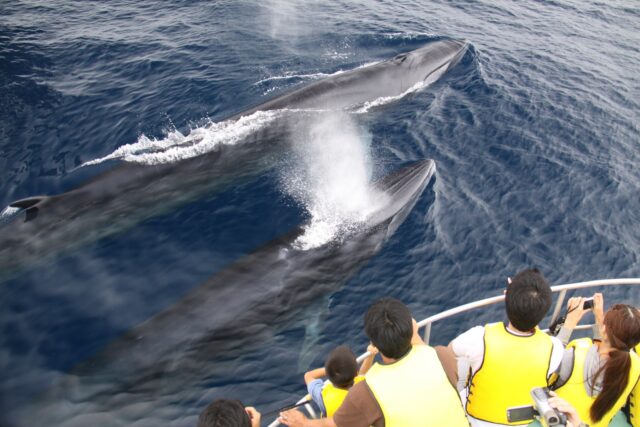
According to the list of Japanese names for cetaceans published by Tokyo University of Marine Science and Technology, as of 2024, cetaceans include94 varietiesIt is considered to be a
The breakdown is as follows: 15 species of baleen whales and 79 species of toothed whales.
However, since the number of types varies slightly depending on the source, as the method of classification and the progress of research can affect how they are counted.
So, for the purposes of this article, just remember that there are “about 90 species”—that’s all you need to know.
By the way, orcas and dolphins are also included in this group of cetaceans.
The Difference Between Baleen Whales and Toothed Whales
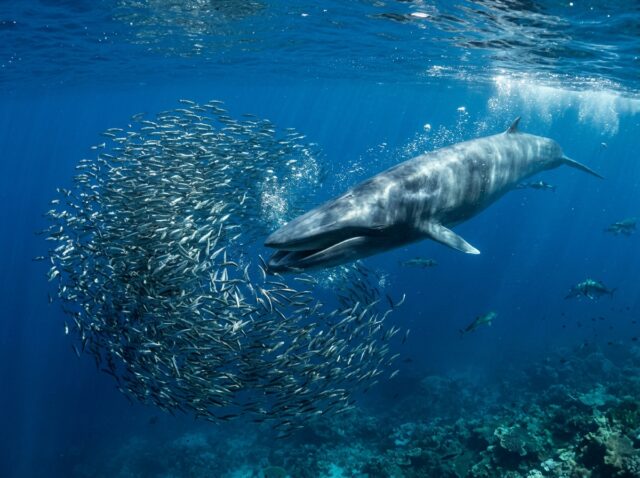
The biggest difference is that the one in your mouth is “Beard Board"Teeth" or "tooth."
Baleen whales have about 200 to 400 baleen plates lined up along their upper jaws, which they use to filter food from the seawater they take into their mouths.
On the other hand, toothed whales have teeth and feed on fish and squid.
Another difference is the number of blowholes on their heads: baleen whales have two, while toothed whales have one.
Baleen whales tend to have large teeth, while toothed whales are mostly medium- to small-sized. However, the sperm whale is an exception in terms of size.
The Difference Between Whales and Dolphins

Actually, whales and dolphins are both classified as members of the “Cetacea” order.
Generally, animals about 4 meters or longer in body length are called “whales,” while smaller species are called “dolphins,” but there is no clear-cut distinction between the two.
For example, orcas are called “killer whales” in English, but taxonomically they belong to the family Delphinidae, which meansDolphin-like creaturesIt is.
Even though the name "Gondou whale" includes the word "whale," it's actually a type of dolphin.
It’s easier to understand if you think of the different names simply as a rough guide to size.
Types and Characteristics of Baleen Whales
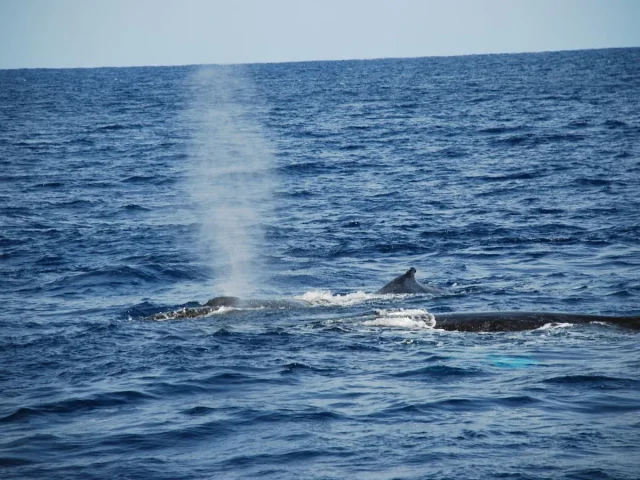
Baleen whales are large whales that use their baleen plates to filter krill and small fish from the water.
This group is the star attraction of the whale-watching tour, too.
Let's take a look at the three most famous types, in order of size!
If you want to see a baleen whale, this is the one!
▼Click here for recommended whale-watching tours▼


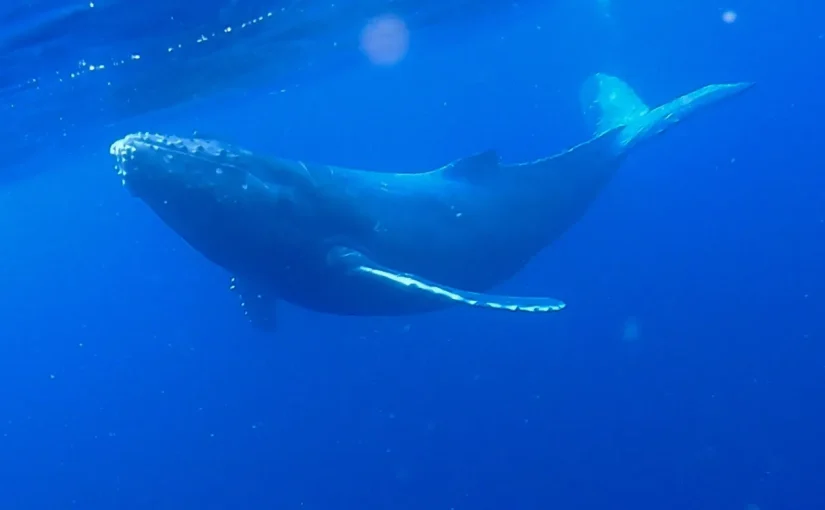
blue whale (Balaenoptera musculus)

The blue whale is one of the few species still living on EarthThe Largest AnimalIt is known as the
They are about 23 to 27 meters long, and the largest on record is said to exceed 33 meters.
Its weight is said to exceed about 160 metric tons—that’s truly on a completely different scale.
It feeds mainly on krill, opening its mouth wide as it charges forward and swallowing its prey whole.
Their numbers have declined significantly due to commercial whaling, and they are currently listed as an endangered species.
It's the quintessential whale—you'll always find it in any field guide.
humpback whale (Megaptera novaeangliae)
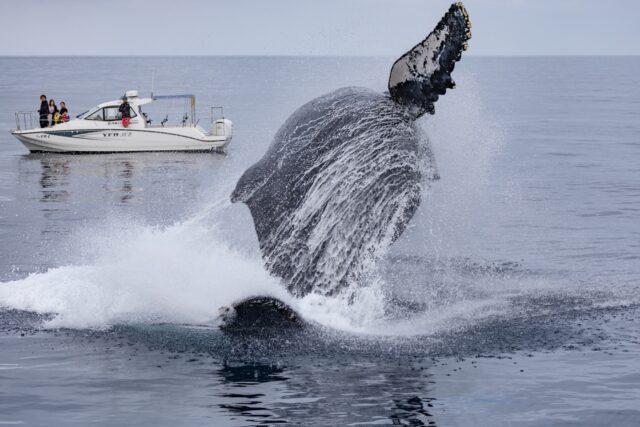
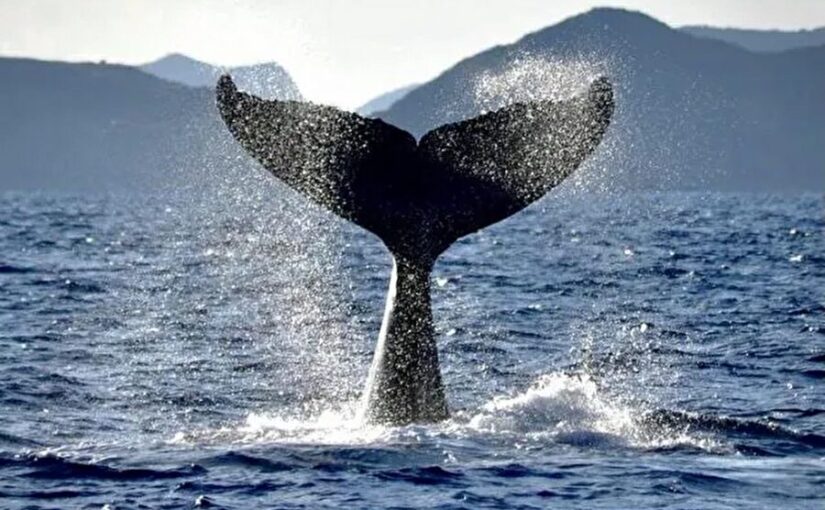
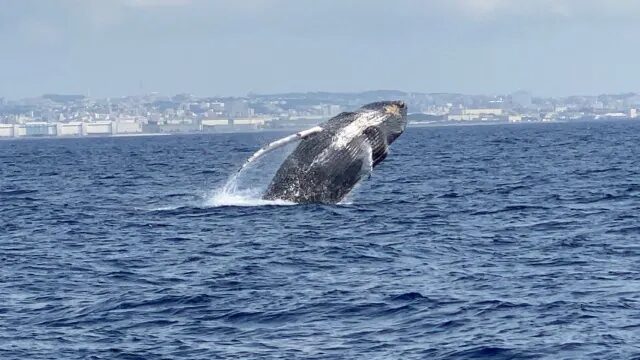
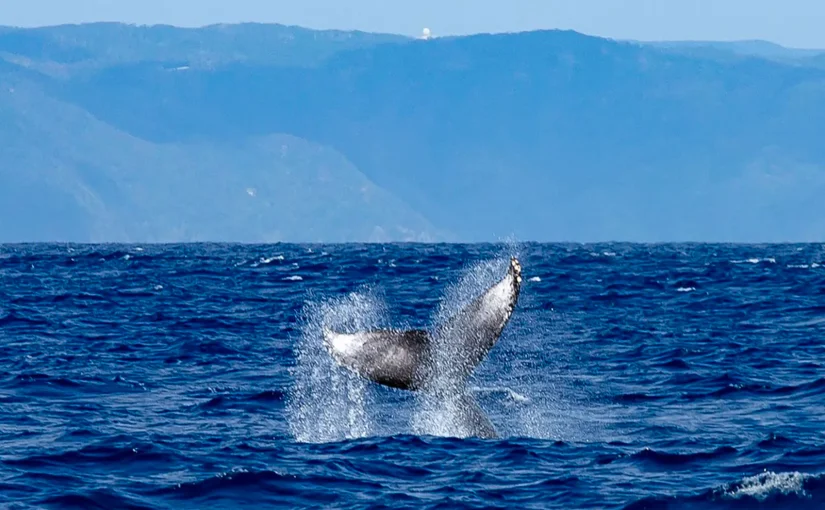
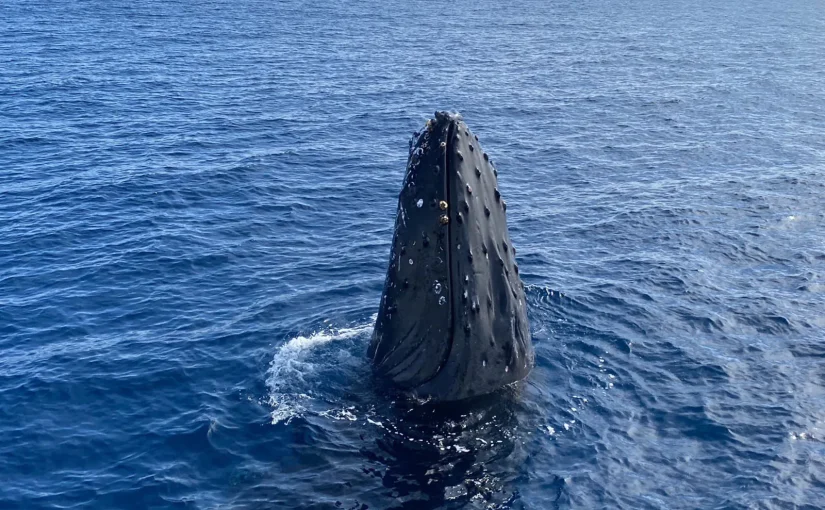
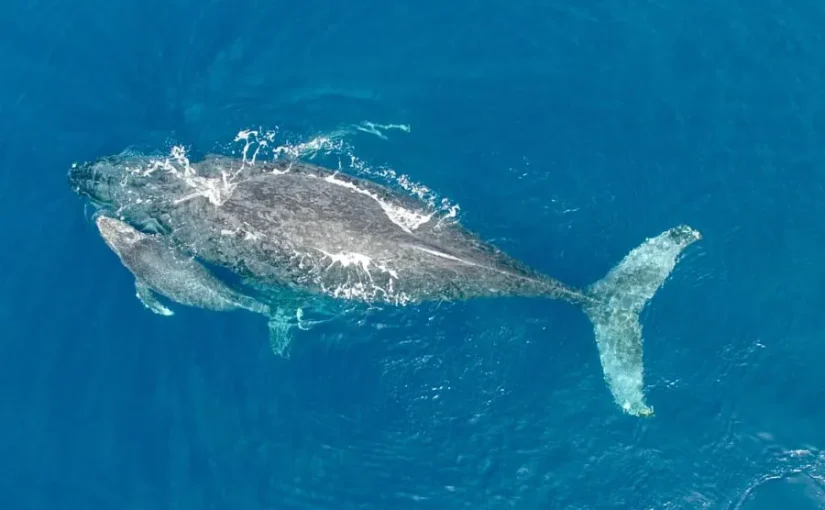
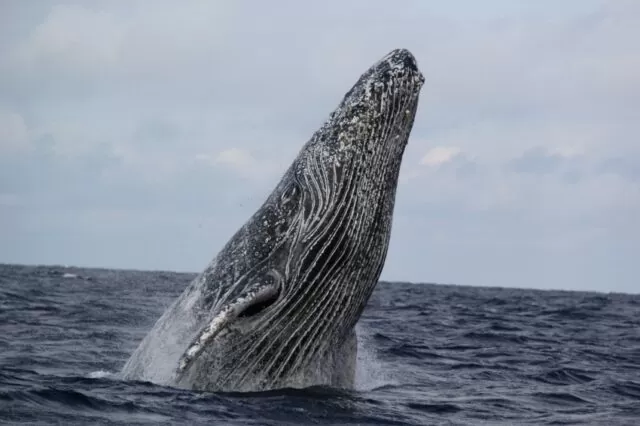
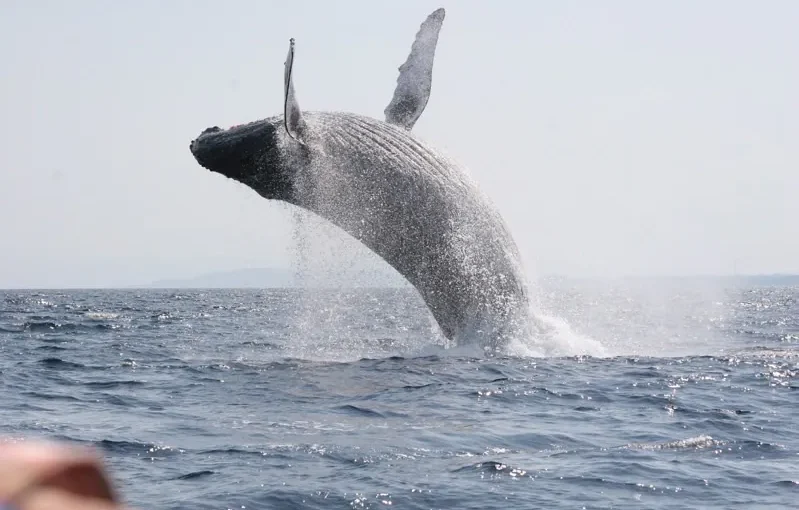
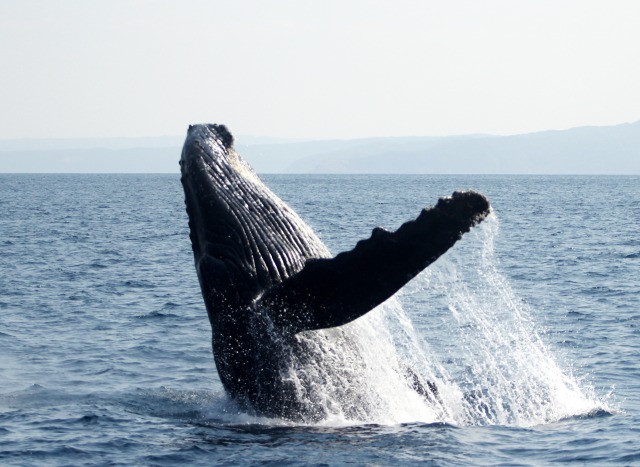
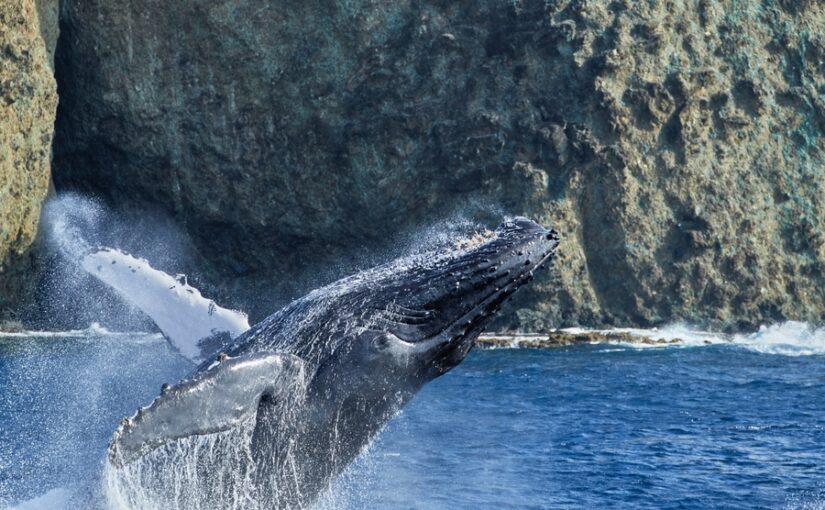
Humpback whales are a type of baleen whale that is particularly popular among whale watchers.
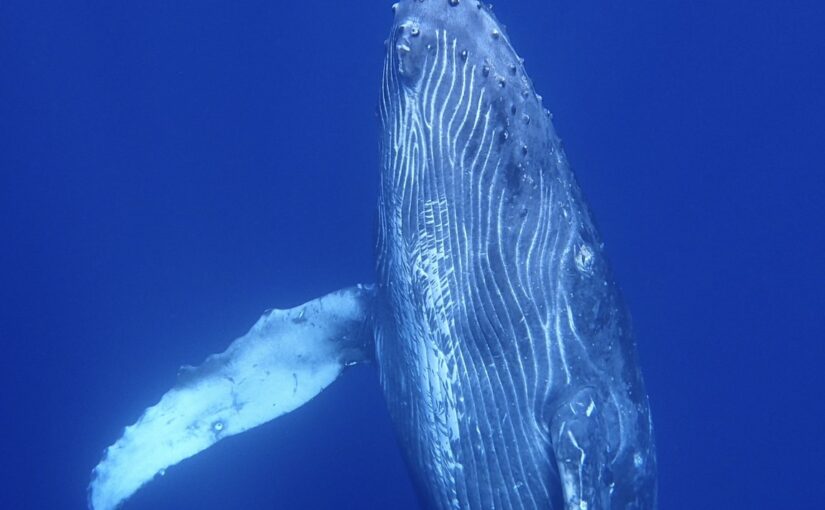
They are 13 to 15 meters long and weigh about 25 to 30 metric tons, which is about half the size of a blue whale.
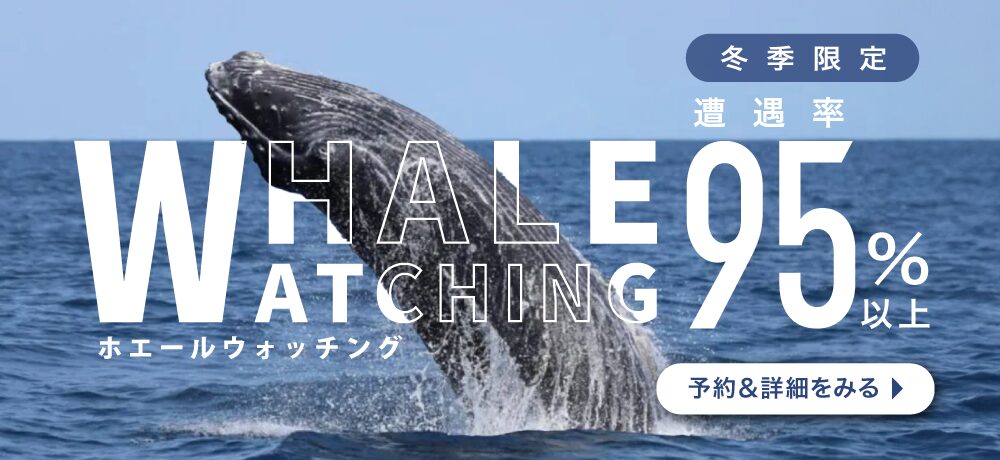
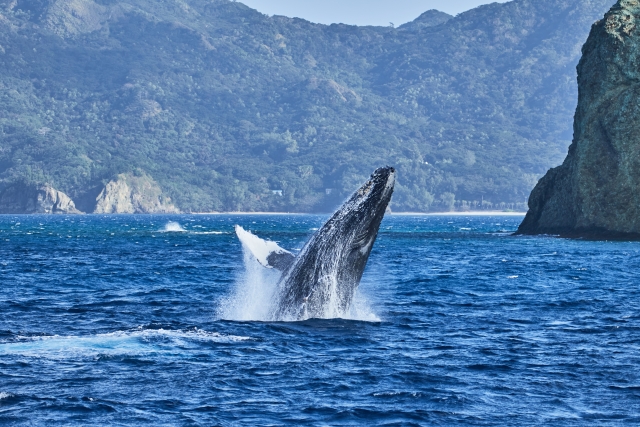
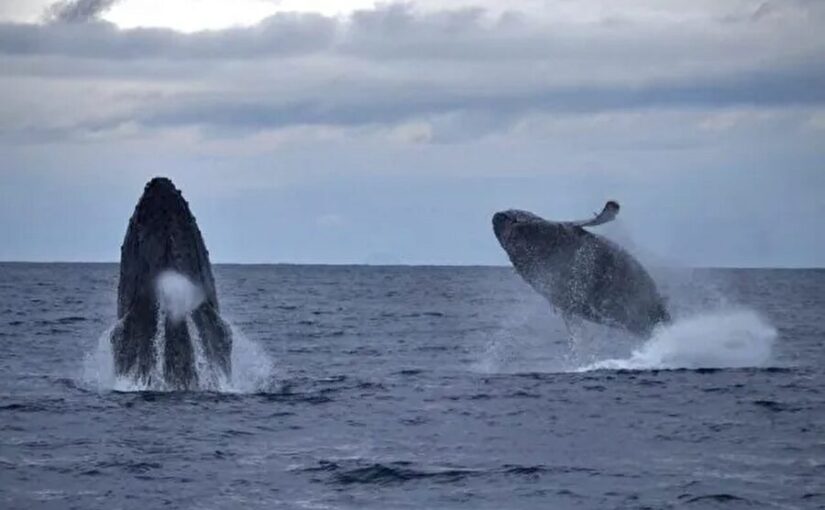
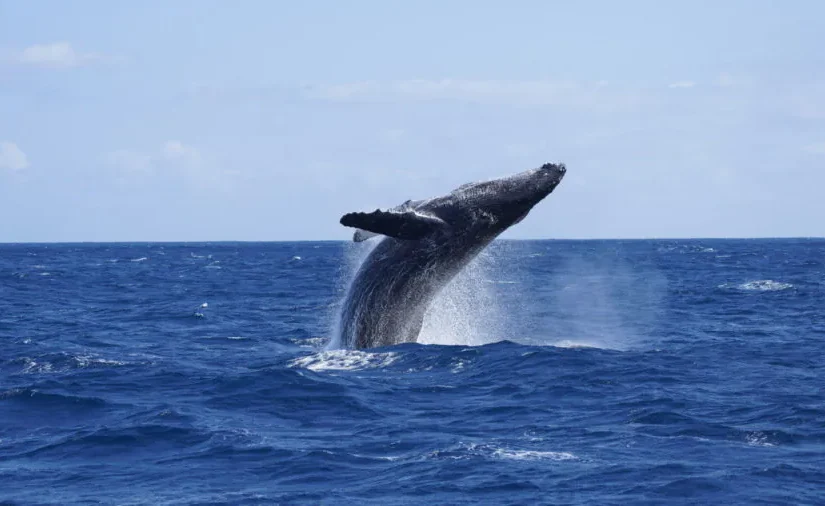
It's about one-third of its body lengthLong pectoral finsThat's what makes them so special—watching them leap out of the water or slap the surface with their tails is a truly spectacular sight.
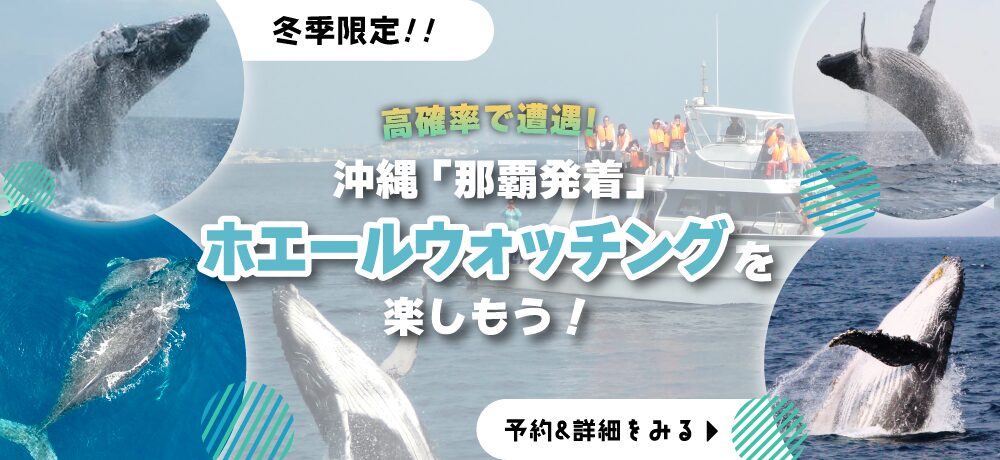
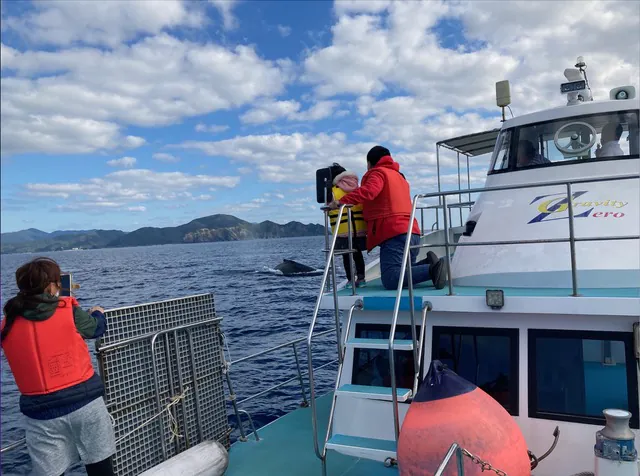
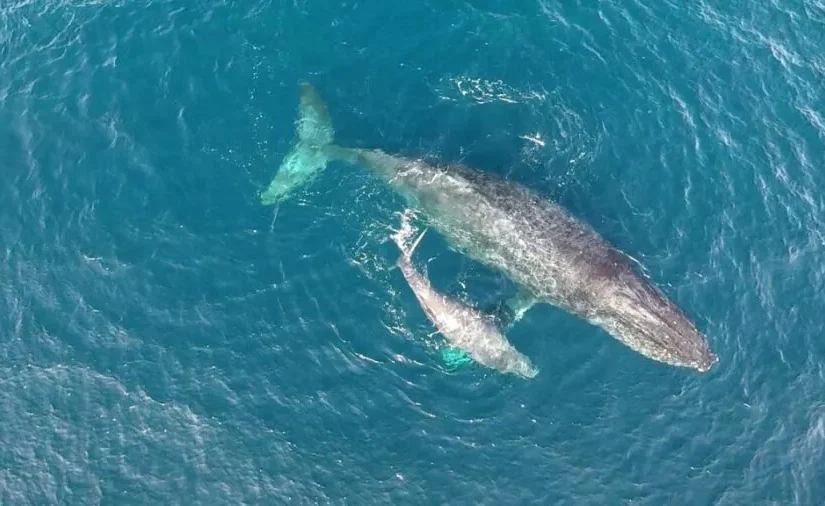
In Japan, when winter comes, they migrate to the Ogasawara Islands and the area around the Kerama Islands in Okinawa to breed and raise their young.
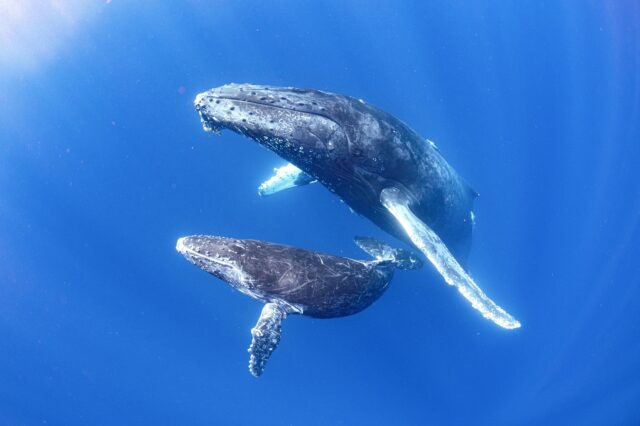
You might even come across a mother and her child swimming side by side—it makes for a truly Instagram-worthy photo.
Click here for whale watching tours
minke whale

The minke whale is one of the smaller baleen whales, with a body length of8–9 m...It weighs about 5 to 6 metric tons.
That said, it's almost as big as a large bus.
They live in oceans all over the world and feed on zooplankton, such as krill, and small fish.
Another characteristic is that they often travel in small groups of about 1 to 3 animals.
It is one of the species still targeted for commercial whaling in Japan and is deeply rooted in the country's culinary culture.
Types and Characteristics of White Whales
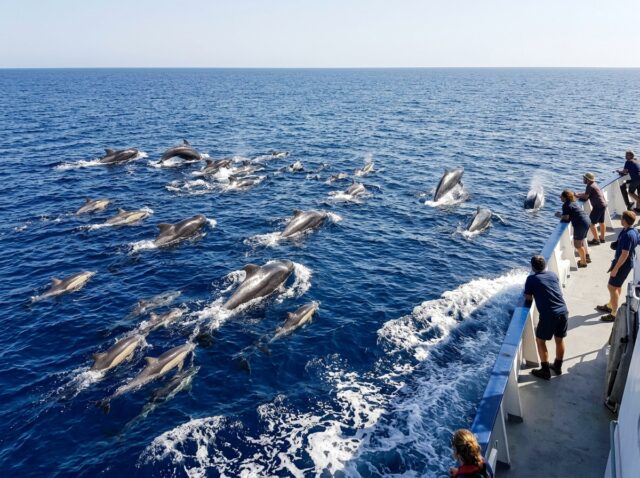
Toothed whales are a group of whales that use their teeth to catch fish and squid.
There are far more species in this group than in the baleen whale group, and dolphins are also included in this group.
Let me introduce three well-known types.
If you want to see a white whale, this is the one!
▼Click here for recommended whale-watching tours▼
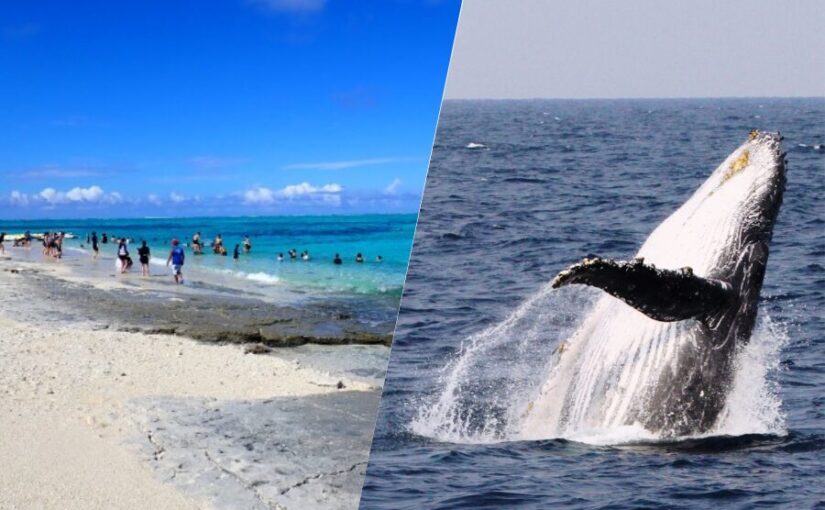
sperm whale

Among toothed whales, the sperm whale isThe Largest VarietyIt is.
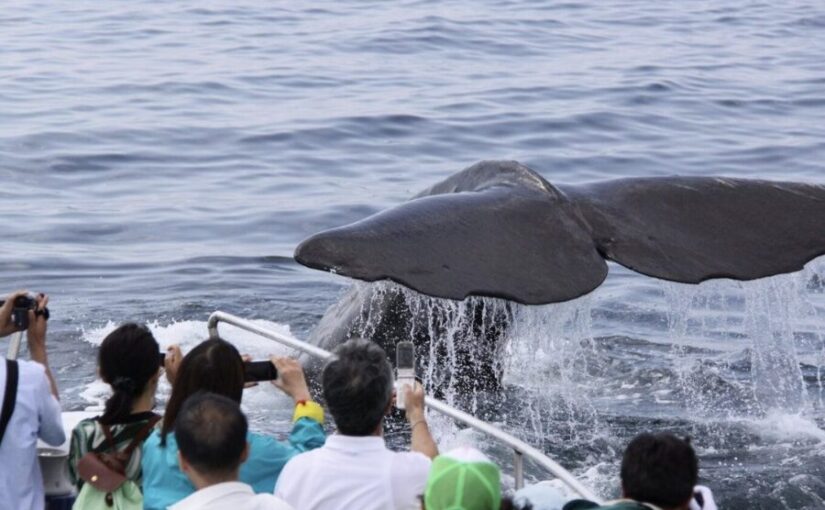
It is known for its large, square head and its habit of diving into the deep sea to feed on squid and other prey.
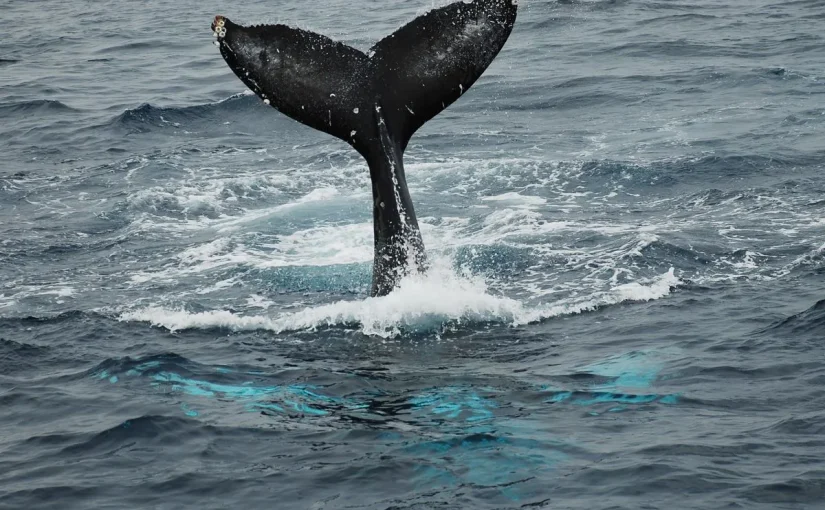
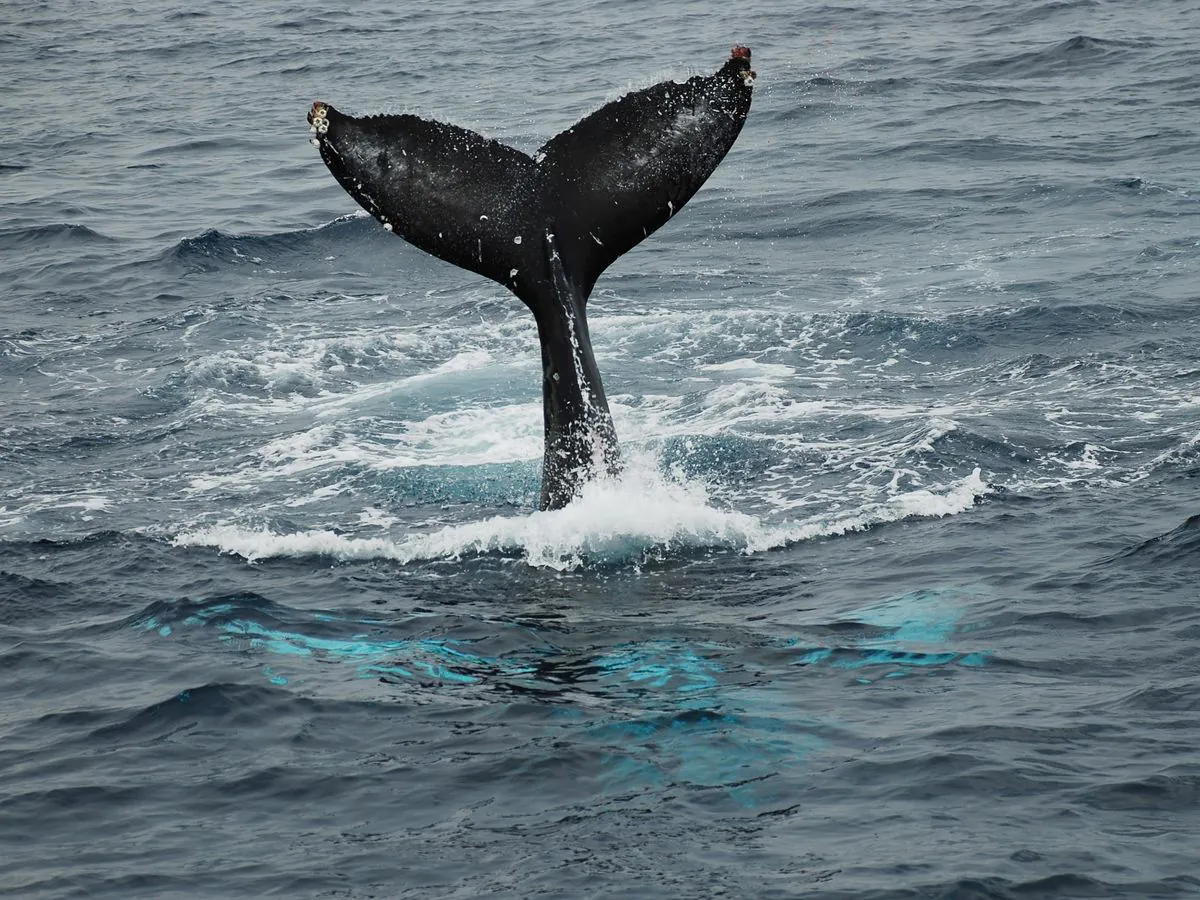
The sight of a whale thrusting its tail fin straight up into the air as it dives is one of the highlights of whale watching.
It is said to dive to depths of 1,000 meters or more.
In the waters off the Ogasawara Islands, pods of females and their calves live year-round, and in Rausu, Hokkaido, it’s sometimes possible to encounter males over 15 meters long during the summer.
Click here for whale watching tours
mythical carp with the head of a lion and the body of a fish (auspicious protectors of well-being)
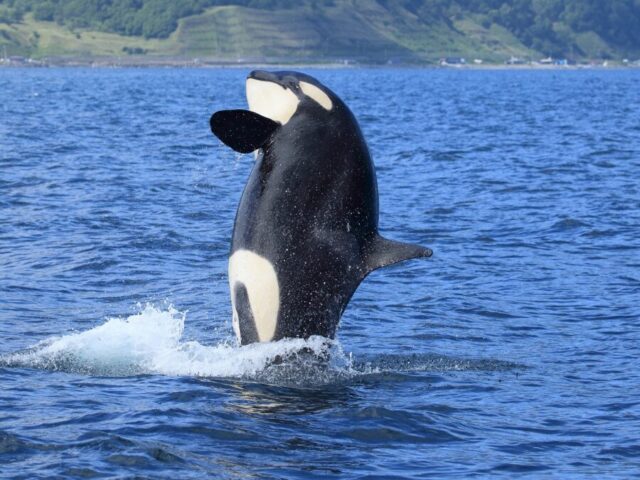
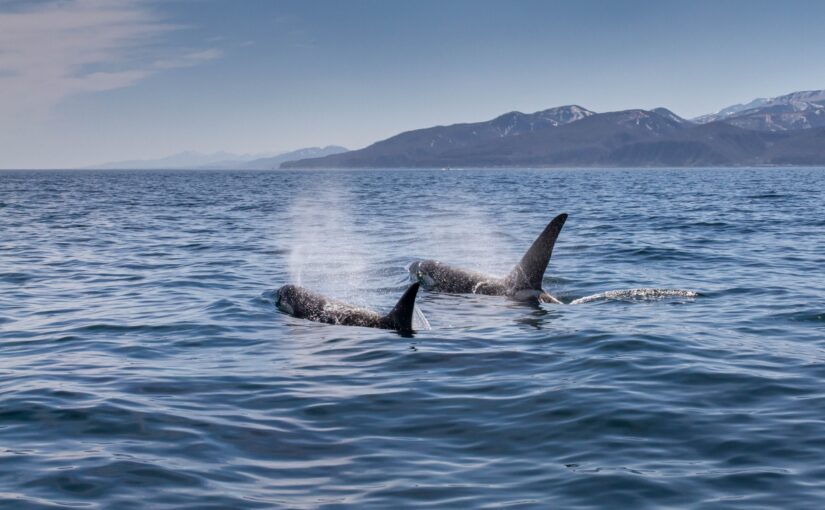
This orca is easily recognizable by its distinct black-and-white coloration and large dorsal fin.
Although it is called a "killer whale" in English, it belongs to the family Delphinidae and is the largest species among dolphins.
Large specimens can exceed 7 meters in length.
A predator of the sea that hunts not only fish and squid, but also seals and other whales,Apex PredatorIt is known as the
In Rausu on the Shiretoko Peninsula, there are also cruises where you can see orcas in the spring.
larger whales of family Delphinidae (esp. the pilot whale or blackfish)

The fin whale is a toothed whale characterized by its stocky build and short snout.
Second only to orcasThe second-largestThey are members of the dolphin family, and some species can reach a body length of 6.5 meters.
They are highly social and sometimes swim not only with their own pod but also with other dolphins and whales.
In Japan, species such as the sei whale and the short-finned pilot whale have been caught in small-scale coastal whaling operations.
Whales and their relatives are truly diverse in both appearance and lifestyle.
Types of Whales Found and Eaten in Japan

In the waters off the coast of Japan, you can see both baleen whales and toothed whales.
What's more, there are some varieties that have long been enjoyed as part of our culinary culture.
Let's sort out which ones are for viewing and which ones are for eating!
If you want to see whales in Japan, this is the one!
▼Click here for recommended whale-watching tours▼
Famous Whales Found in Waters Near Japan

The most famous whales in Japan are the humpback whales, which can be seen in winter, and the sperm whales, which live in the waters near the Ogasawara Islands year-round.
Humpback whales begin to appear in the Ogasawara Islands around late November, andFebruary–AprilThe number increases the most there.
They come to the area around the Kerama Islands in Okinawa from late December through around April.
In Rausu, Hokkaido, cruises are offered where you can see orcas in the spring and sperm whales in the summer.
Since the locations and seasons for spotting whales vary by species, choose your destination based on the type of whale you want to see!
Types of Whales Consumed as Food
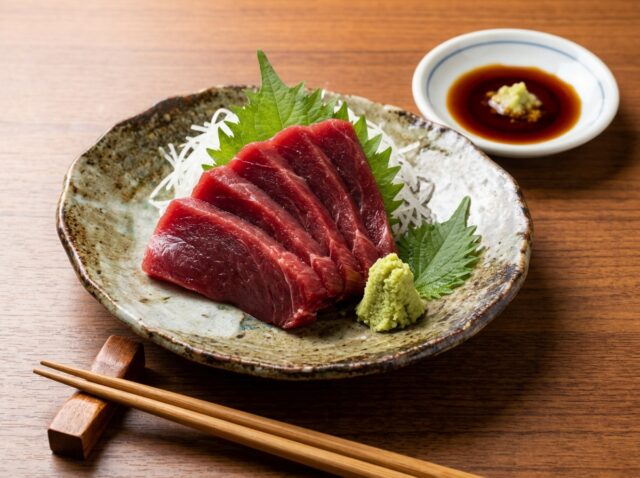
Japan has long had a culture of eating various parts of whales, and certain species are still hunted today.
This applies only to species for which the population size has been sufficiently confirmed.
Types of Whales Eaten
Japan resumed commercial whaling in July 2019, targeting minke whales, Bryde's whales, and sei whales.
In 2024,Fin Whale...has also been added to the list.
In addition, species such as the sei whale and the short-finned pilot whale are caught in small-scale coastal whaling operations.
On the other hand, commercial whaling of blue whales has been suspended, so they are not used for food.
Parts of the whale used for sashimi
When it comes to sashimi, lean meat and “Tail meat"This area, known as [...], is a typical example."
Tail meat is a premium cut obtained from species such as the fin whale and is known for its marbled fat, similar to that found in wagyu beef, when served as sashimi.
Lean whale meat has long been a familiar staple in Kushiro, Hokkaido, where it is commonly enjoyed as sashimi with wasabi and soy sauce.
Another appealing feature of lean meat is that it's high in protein and low in fat.
Since it's not widely available, why not give it a try if you happen to come across it?
Whales You Can See on a Whale-Watching Trip
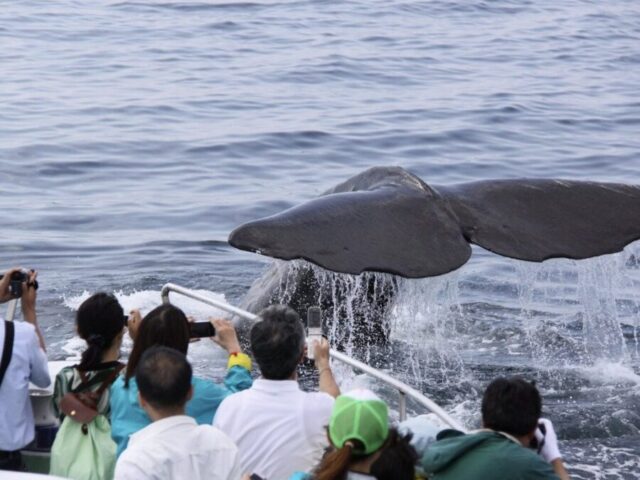
The most popular areas in Japan for whale watching are the Ogasawara Islands, the waters around the Kerama Islands in Okinawa, and Rausu in Hokkaido.
In the Ogasawara Islands and Okinawa,Humpback Whales in Winter...will take center stage.
In Okinawa, they are often seen around the Kerama Islands and Ie Island, and the high likelihood of encountering them is often highlighted.
In Rausu, Hokkaido, the orcas in the spring and the sperm whales in the summer are the main attractions.
Since these are wild animals, there’s no guarantee you’ll see them, but knowing what species they are will make the experience much more special when you do.
If you're interested, why not check out the tour?
Click here for whale watching tours
Frequently Asked Questions (FAQ) About Whale Species
Taxonomically, both belong to the same group, “Cetacea.” Generally, animals around 4 meters in length or longer are called “whales,” while smaller species are called “dolphins.” However, the distinction isn’t always clear-cut; there are some species, such as orcas and pilot whales, that are classified as dolphins despite their names.
They begin to appear in the Ogasawara Islands around late November, and their numbers peak from February through April. They arrive in the area around the Kerama Islands in Okinawa from late December through April, but since they are wild animals, there’s no guarantee you’ll see them.
When it comes to sashimi, lean cuts and “tail meat” are the most common, with minke whale lean cuts and fin whale tail meat being particularly well-known. Since they aren’t widely available, be sure to give them a try if you ever have the chance.
summary
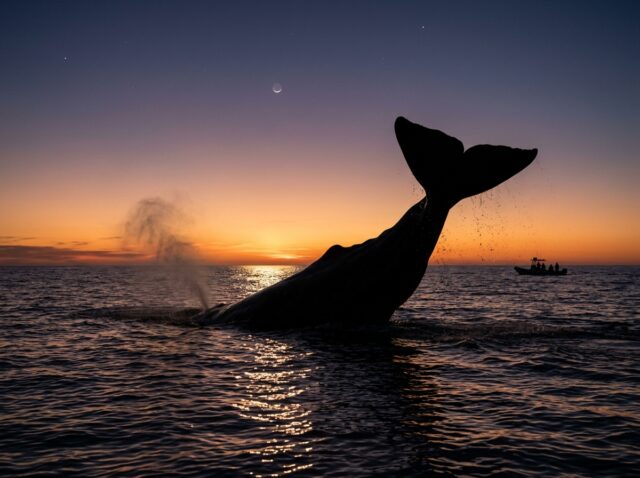
Whales and their relatives areAbout 90 speciesSo, they are classified into baleen whales and toothed whales based on whether they have teeth.
Blue whales, humpback whales, sperm whales, and other species all differ in size and lifestyle, don't they?
In Japan, too, the species you can see—such as humpback whales in winter and orcas and sperm whales in Rausu—vary depending on the location and season.
If you find a species that interests you, be sure to go on a whale-watching trip to see it in person!
▼Click here for articles to read in conjunction with this article.