

Top 10 Largest Whales! The Largest Is the Blue Whale—Including Weight and Lifespan
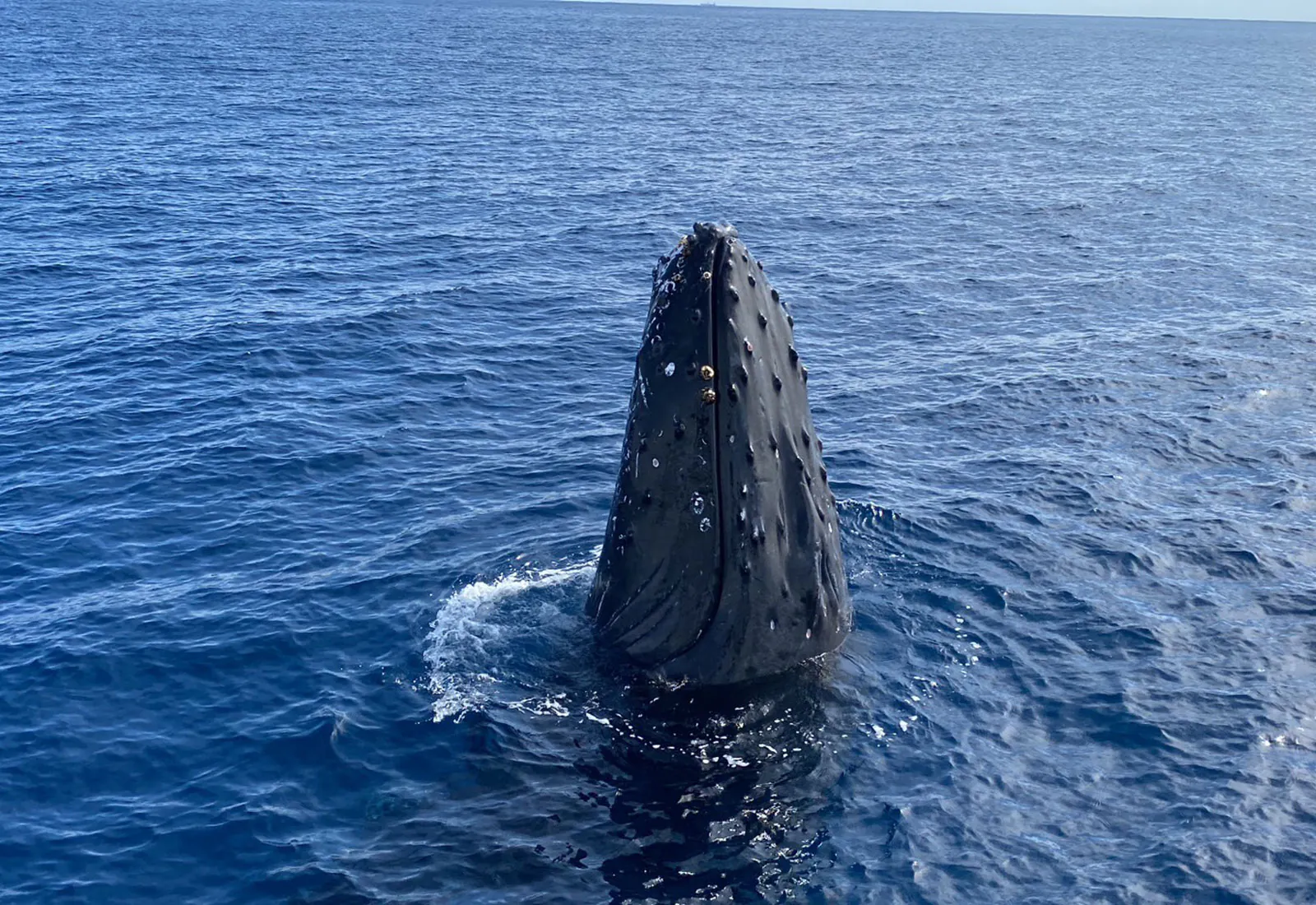
Which is the largest whale?
A.
The biggest one isblue whale (Balaenoptera musculus)That's right. It's the largest animal on Earth today, and even when compared to other whales, it stands head and shoulders above the rest.
Top 10 Largest Whales
The largest is the blue whale
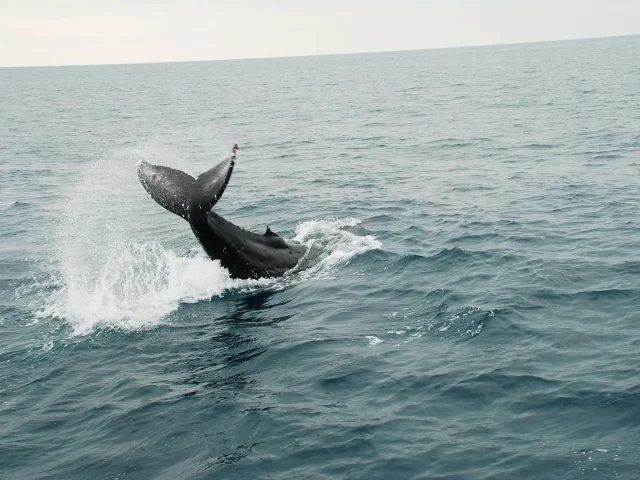
The size of whales varies greatly depending on the species. The largest, the blue whale, isApproximately 30 meters in lengthIt reaches [size], making it the largest animal on Earth.
In this article, we've compiled information not only on the top 10 species ranked by body length but also on their weight, lifespan, and even the size of the whales you might see on a whale-watching tour.
◆For those who want to know the length and weight of blue whales and sperm whales
◆For those curious about the lifespan of whales and the size of their calves
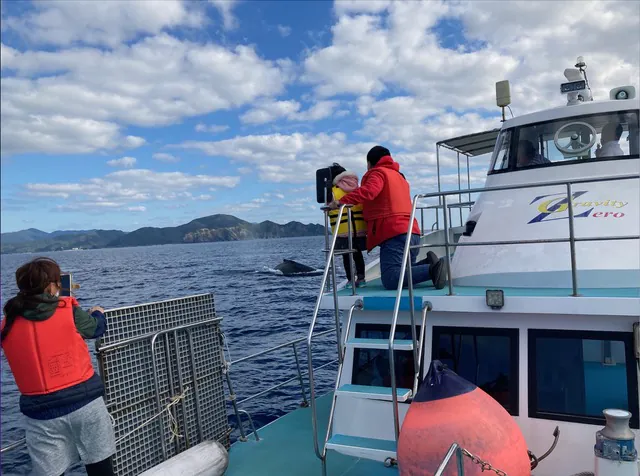
◆For those who want to know in advance how big the whales they’ll see on a whale-watching tour are
Click here for the rankings of popular whale-watching tours
If you're not sure, go with this!
▼Click here for recommended whale-watching tours▼

Top 10 Largest
Listed in order from the largest species
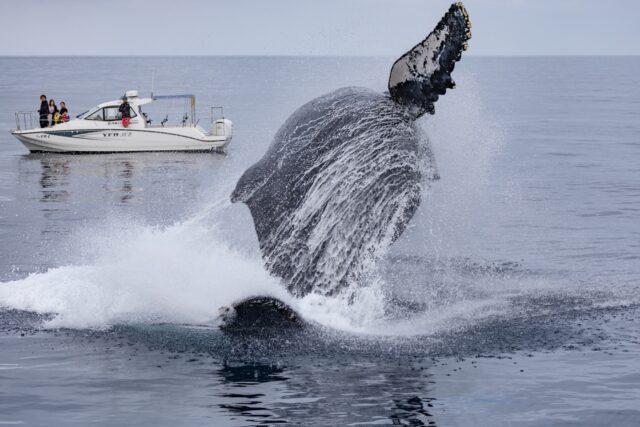
The size of a whale is,Maximum body lengthIf you rank them based on these guidelines, you'll be able to see the differences clearly. Please note that the rankings may vary depending on the source, so please use them as a general guide.
Experience the sheer size of whales up close!
▼Click here for popular whale-watching tours▼
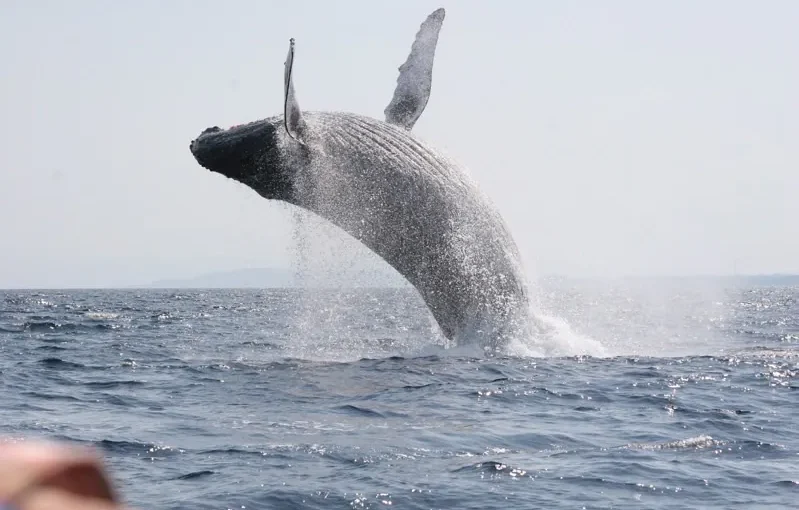
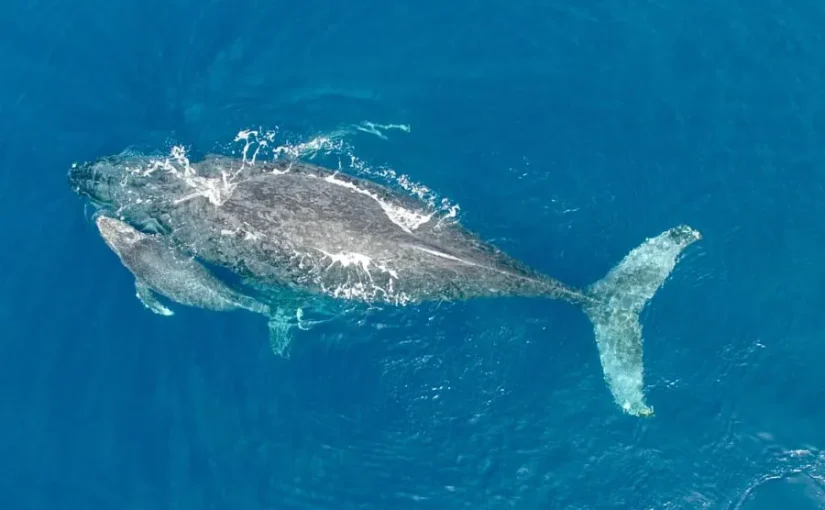

No. 1: Blue Whale

The blue whale is the largest animal living on Earth today. In the Southern Hemisphere, there are individuals that reach a body length of 30.5 meters and an estimated weight of 160 metric tons.
According to the highest recorded figure, the weight was190 metric tonsIt is said that...
Although the specimens in the Northern Hemisphere are somewhat smaller, at 26 meters or less, they’re still on an overwhelming scale.
2nd Place: Fin Whale
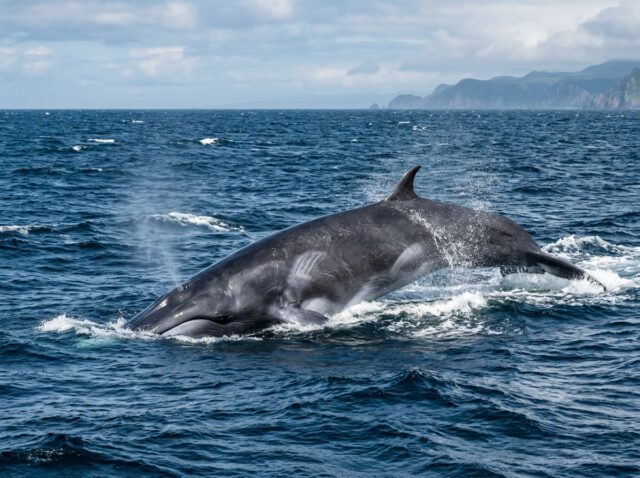
It is the second-largest species after the blue whale and inhabits oceans around the world. Large individuals can exceed 25 meters in length and weigh as much as 80 metric tons.
It is said that females are about 1 meter larger than males, and that individuals in the Northern Hemisphere are 2 to 3 meters smaller.
The large dorsal fin is the key distinguishing feature from the blue whale.
3rd Place: Minke Whale
It is a species of the family Balaenidae, with a body length of about 18 meters; the largest individuals are said to weigh about 30 metric tons.
It’s characterized by its slender, elongated body and tall dorsal fin. Since it’s a species you rarely get to see even among the family Balaenopteridae, you’ll be lucky if you spot one!
No. 4: Bowhead Whale
A large baleen whale found in the Arctic, it is said to be slightly larger than its close relative, the sei whale, and can reach a maximum length of about 18 meters. It is not uncommon for them to weigh more than 80,000 kg.
The maximum service life isOver 200 yearsIt is considered one of the longest-living species among extant mammals.
Since they live in the Arctic Circle, it’s hard to spot them on a tour, but they’re whales in a class of their own in terms of both size and lifespan.
No. 5: Minke Whale
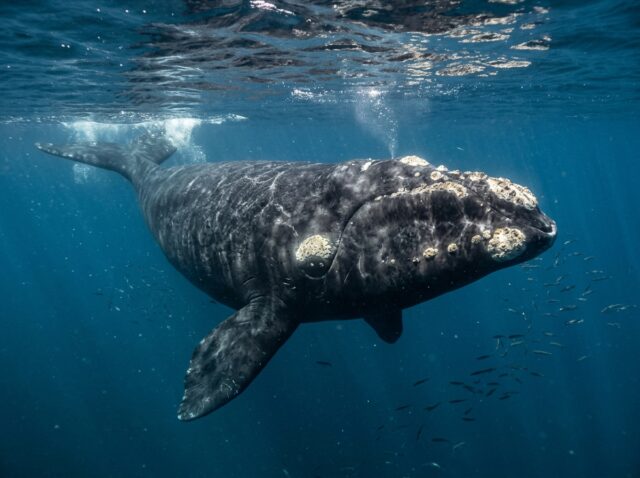
It is said to be about 17 meters long, and the largest specimens can reach 18 meters and weigh as much as 80 metric tons.
Its head is very large, sometimes reaching a quarter of its body length. Another distinctive feature is that it has no dorsal fin.
They are said to be slow swimmers with a docile temperament. Even in the waters off the coast of Japan, sightings of one or two individuals are reported almost every winter.
No. 6: Sperm Whale
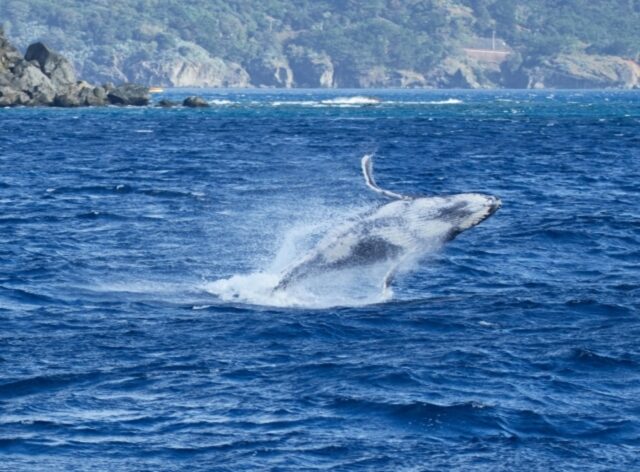
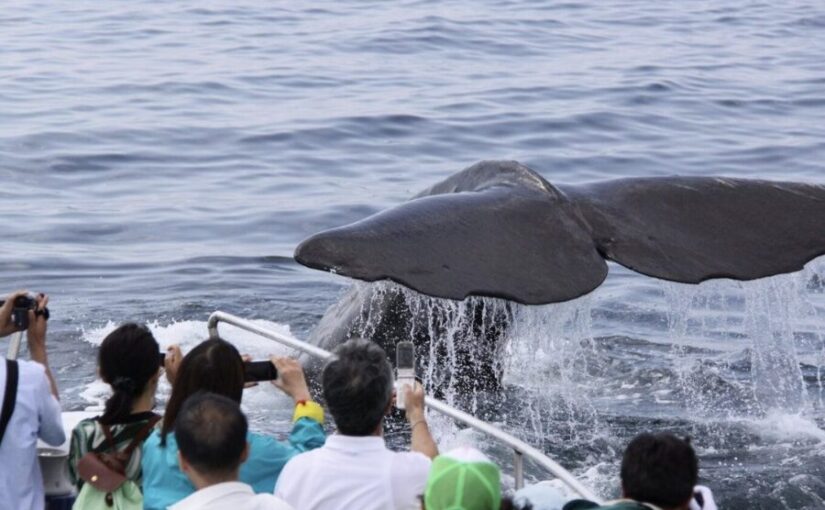
Among the toothed whales,The Largest Seed. The average body length of an adult male is about 16 meters, and in rare cases, some individuals exceed 18 meters.
Its maximum weight is about 57 metric tons. Its head can be as long as one-third of its body length, and its log-like head really catches the eye.
It is said that their average lifespan is about 70 years, which is roughly the same as that of humans.
No. 7: Bryde's Whale
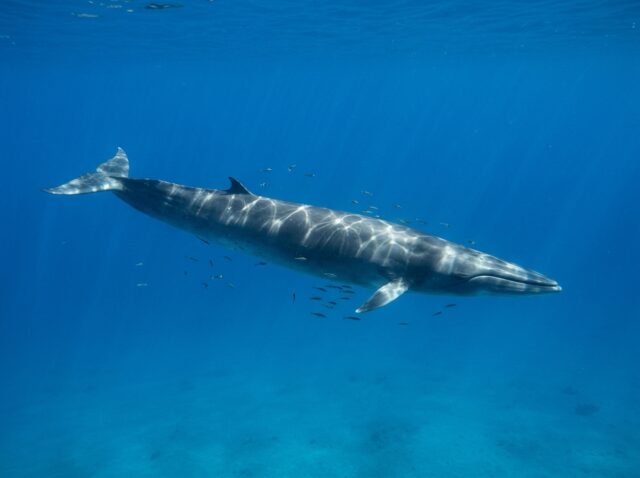
Its maximum length is about 15.5 meters, and its maximum weight is about 20 to 25 metric tons.
It has a streamlined body and feeds mainly on schooling fish such as sardines.
They prefer warm waters, and in Japan, they are known to inhabit areas such as Tosa Bay off the coast of Kochi Prefecture.
No. 8: Humpback Whale
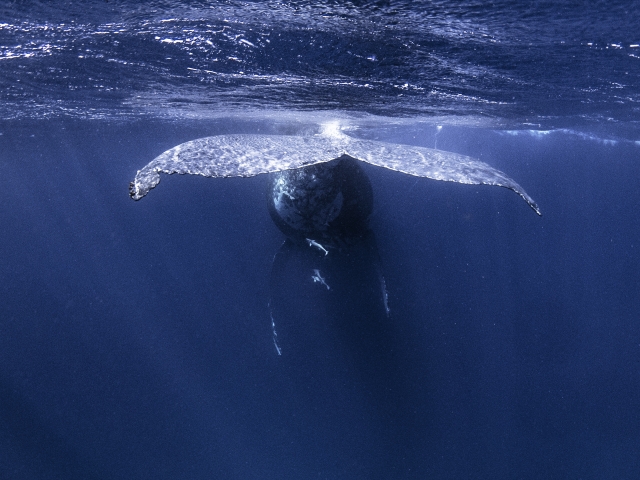
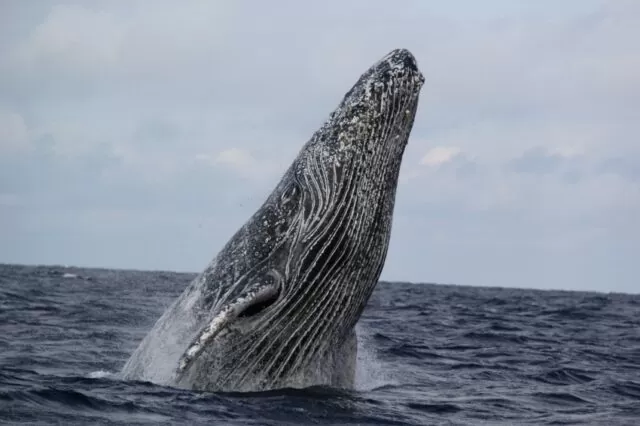
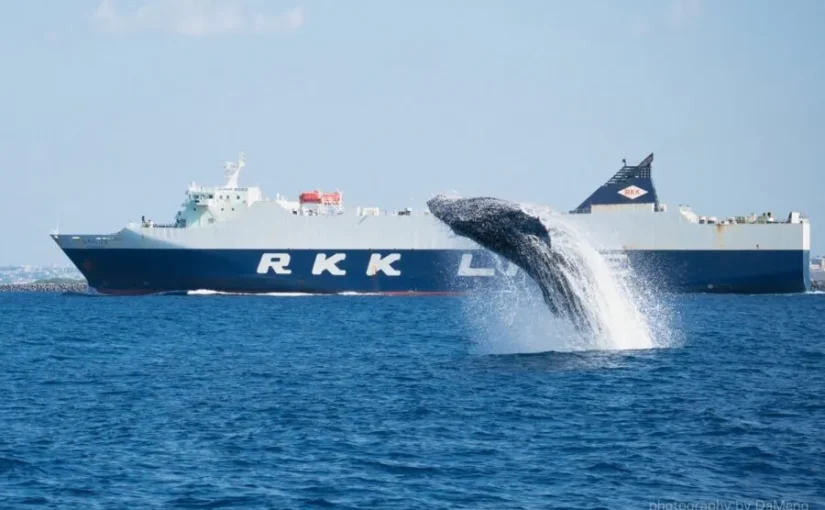
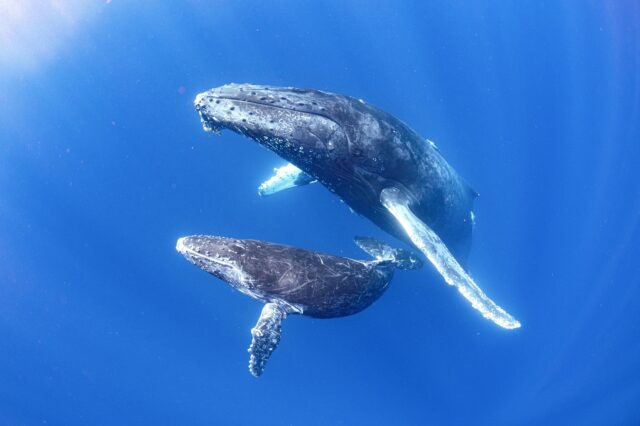
It is about 15 meters long and weighs about 40 metric tons, andLarge BusIt's about the same size.
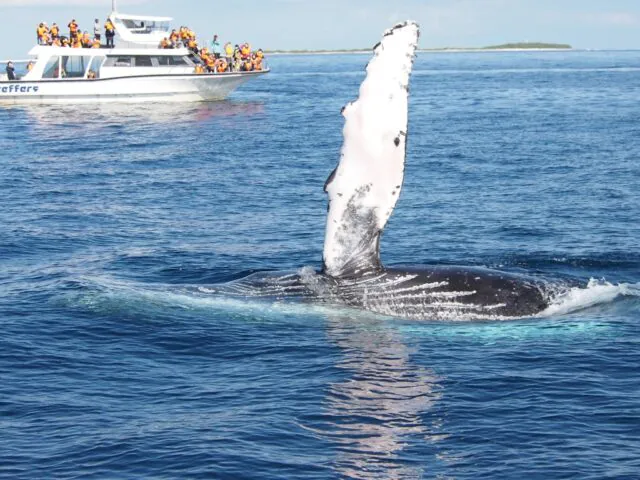
They are characterized by their large pectoral fins, which can reach up to 5 meters in length; even newborns are 4 to 5 meters long and weigh about 1.5 metric tons.
Since this is a popular species for whale watching, I'll tell you more about it later.
No. 9: Humpback Whale
This baleen whale inhabits the waters off the coast of the North Pacific and can reach a length of 14 meters. Its maximum weight is estimated to be approximately 45 metric tons.
The young are about 4.6 meters long at birth and reach adulthood at 11 to 12 meters.
They don't have a dorsal fin, and you can recognize them by the row of small bumps on their backs.
No. 10: Minke Whale
Among toothed whales, it is the second-largest after the sperm whale, with a body length of about 10 to 13 meters.
It is said that the name comes from the fact that the shape of its mouth and head resembles a hammer.
Since minke whales are about 10 meters long at most, the earth whale must be the same size or even larger.
The Relationship Between a Whale's Weight, Lifespan, and Size

The weight and lifespan of whales vary greatly depending on the species. Here, I’ll introduce the heaviest whales and the longest-living ones.
Let's go see that impressive giant!☆
▼Click here for recommended whale-watching tours▼


How much does a whale weigh?

The heaviest whale is the blue whale, which is also the longest. According to the Guinness World Records,190 metric tonsThere are [number] registered specimens.
It is said that blue whales can weigh up to about 80 metric tons, while sperm whales can weigh up to about 57 metric tons.
Even a humpback whale weighs about 40 metric tons, and all whales weigh several dozen metric tons.
How long do whales live?
The average lifespan of a blue whale is1980s–1990sIt is said that they can live up to nearly 100 years. Sperm whales live for about 70 years.
The longest-living one is,Bowhead Whale... It has been reported that their maximum lifespan exceeds 200 years.
There are studies suggesting that a strong ability to repair DNA damage might be the reason for longevity.
You can encounter them while whale watching
The Size of Whales
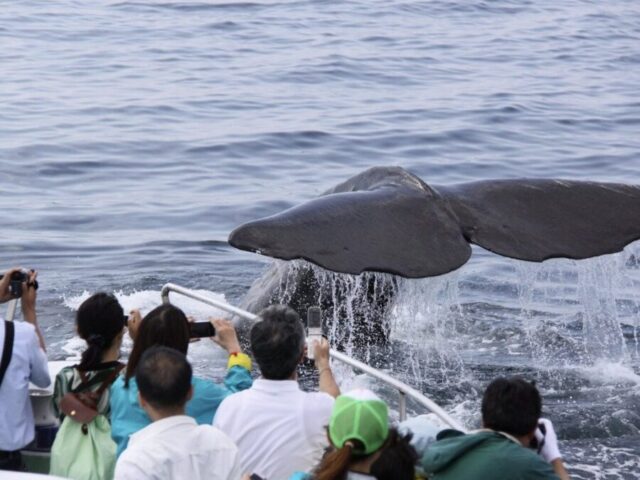
There are places in Japanese waters where you can encounter large whales. Here, I’ll introduce three species: humpback whales, sperm whales, and Bryde’s whales.
If you're looking to jump, this is the place!
▼Click here for whale-watching tours▼
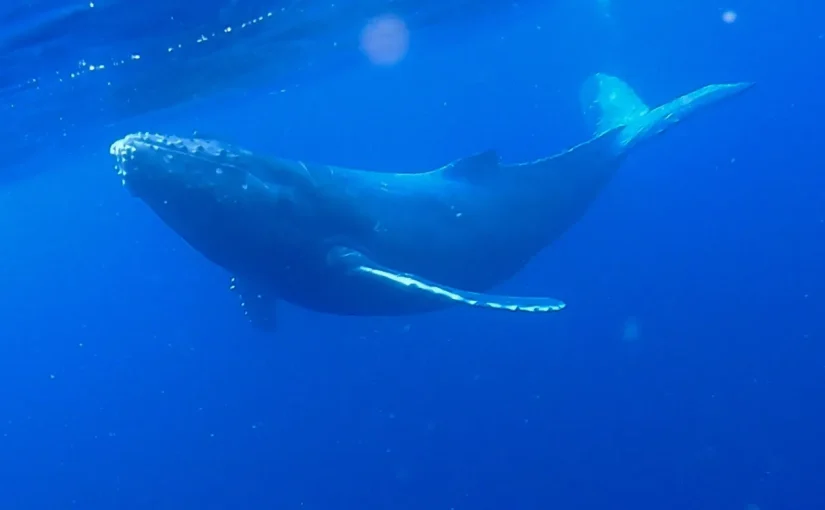

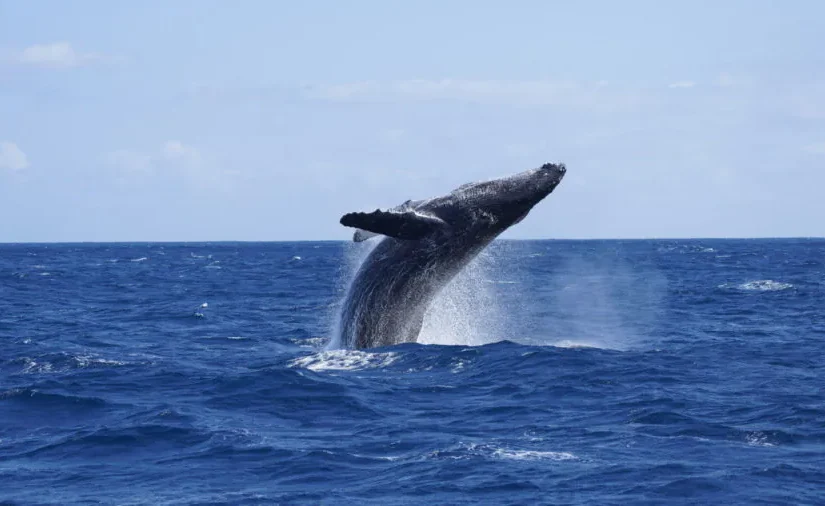
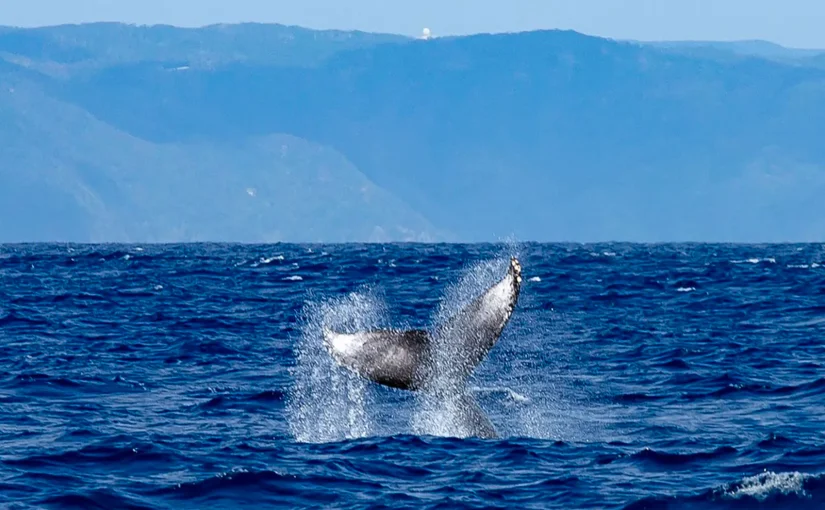
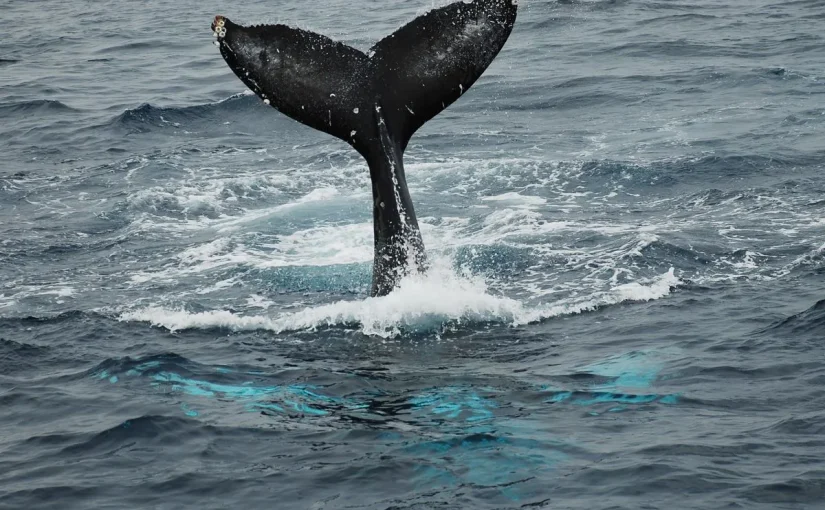
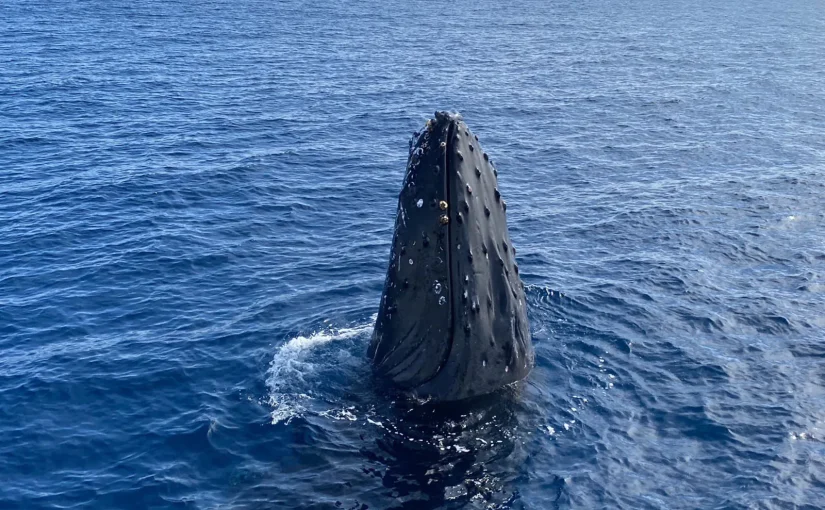
Humpback Whale Size and Highlights

Humpback whales migrate to warm waters in the winter to breed and raise their young. On Amami Oshima,January–MarchIn Okinawa, they are often spotted in winter around the Kerama Islands and Ie Island.
In the Ogasawara Islands, they can be seen from around December through around May.
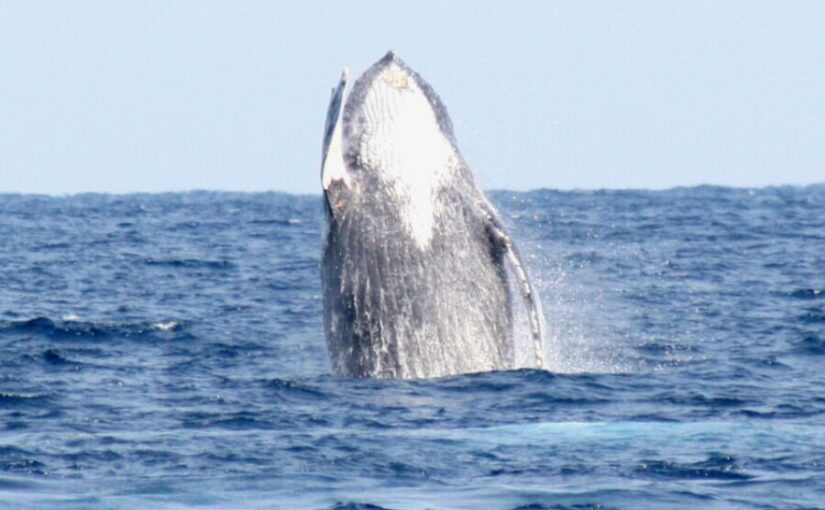
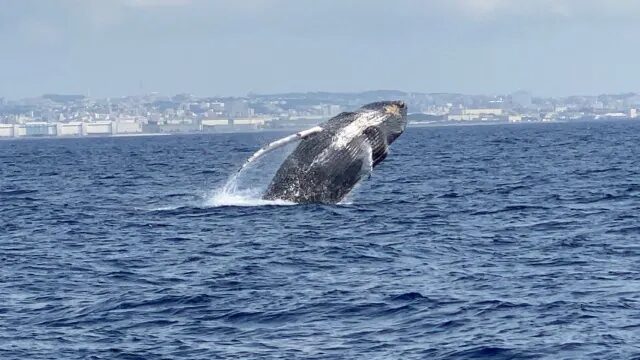
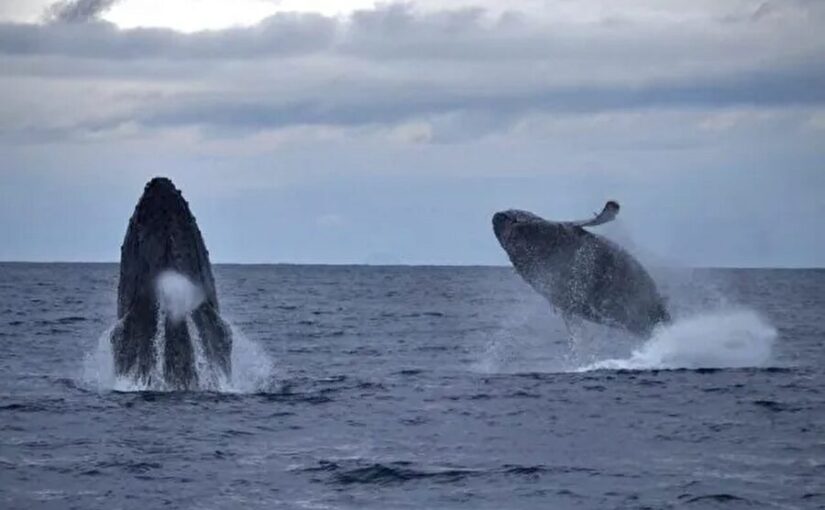
A body as big as a large bus leapt out of the waterbreachingThat's truly spectacular!
Click here for whale watching tours
Size and Highlights of the Sperm Whale

Sperm whales inhabit the waters near the Ogasawara Islands and can be seen year-round. They are most commonly seenMay–NovemberIt's about that time.
Males can grow to about 16 meters in length, making them the largest of the toothed whales.
Underwater, it produces one of the loudest clicks among animal sounds. Take a look at the size of its head, too!
Click here for whale watching tours
Size and Highlights of the Bryde's Whale
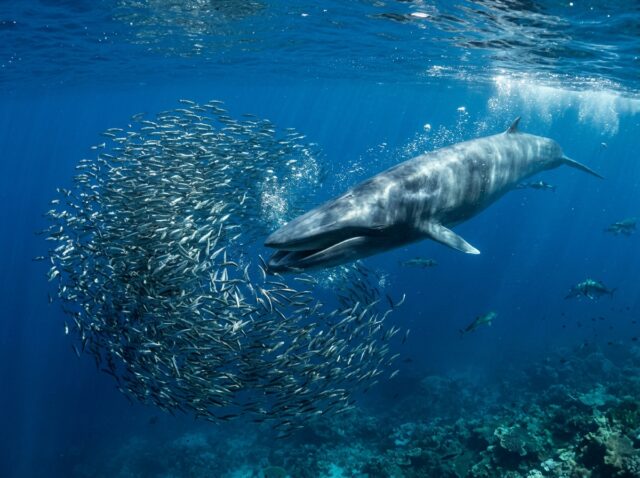
The Bryde's whale is a baleen whale that prefers warm waters and can grow to a maximum length of about 15.5 meters. In Japan, off the coast of Kochi Prefecture,Tosa BayThese are considered to be their main habitats.
The best part is watching them chase and feed on schools of fish like sardines.
Be sure to take a look at its sleek, streamlined body—even more streamlined than that of a humpback whale.
Click here for whale watching tours
Frequently Asked Questions (FAQ) About the Size of Whales
Among toothed whales, species that are less than about 5 meters in length—even as adults—are often referred to as dolphins. However, this is a classification established by humans and does not represent a clear biological distinction.
Humpback whales migrate to warmer waters in the winter to breed and raise their calves. On Amami Oshima, they can be seen from January through March; around the Kerama Islands and Ie Island in Okinawa, they’re typically seen during the winter; and in the Ogasawara Islands, they’re usually visible from around December through May.
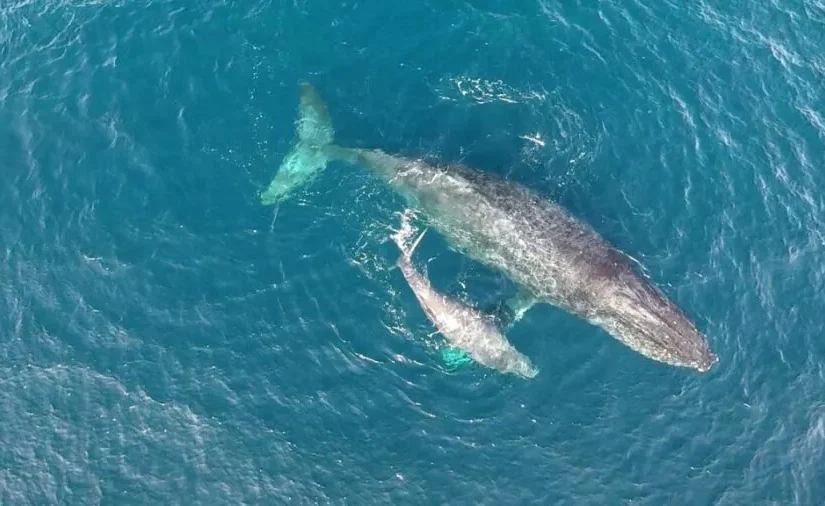
Humpback whale calves are born measuring 4 to 5 meters in length and weighing about 1.5 metric tons. Blue whales are said to be about 7 meters long, and fin whales about 4.6 meters—so they’re already quite large at birth.
summary
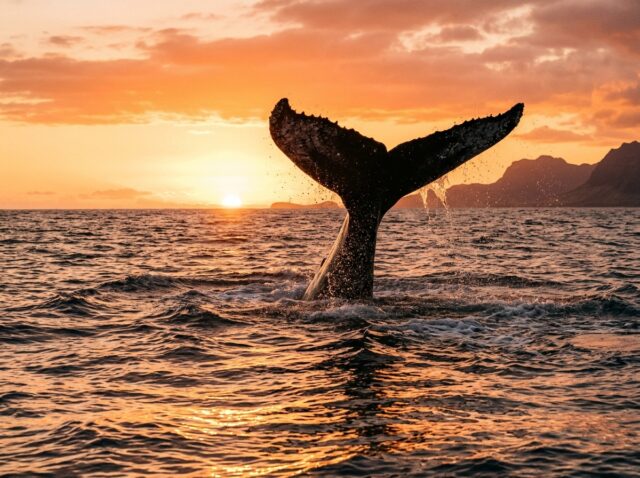
Whales vary in size; the largest, the blue whale, is about 30 meters long and weighsApproximately 190 metric tonsIt can also be...
Next came the fin whale and the minke whale, and the humpback whale...The larger the bus, the more...That's about 15 meters, isn't it?
Weight and lifespan also vary greatly depending on the species; bowhead whales are believed to live for over 200 years.
Since there are waters in Japan where you can see humpback whales and sperm whales, why not go and experience their true size for yourself?
▼Click here for articles to read in conjunction with this article.