What Is the "Blue Whale," the World's Largest Whale? | Size—Can You See Them in Japan?
Can I see blue whales in Japan?
A.
On typical whale-watching tours in Japan, it’s generally difficult to spot them. If you’d like to see them,Sri LankaChoose an overseas tour where sightings have been reported—such as off the coast of San Diego, USA!
The World's Largest Whale
What is a "blue whale"?

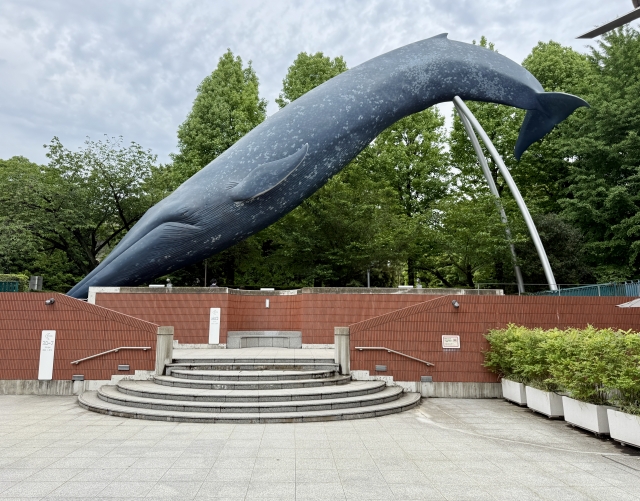
The "blue whale" has a body length in the late 20-meter range,Up to 30 metersIt is the world's largest whale, sometimes exceeding that size.
In this article, in addition to their size, lifespan, and habitat,Found in JapanI'll explain that in simple terms, too.
We'll also be featuring whale-watching tours where you might get a chance to see them, so be sure to check them out!
◆For those interested in the blue whale's lifespan, natural predators, and habitat
◆For those who want to know if they can see blue whales in Japan
◆For those who want to know how to see whales on a whale-watching tour
Click here for the ranking of popular whale-watching tours
If you're not sure, go with this!
▼Click here for recommended whale-watching tours▼
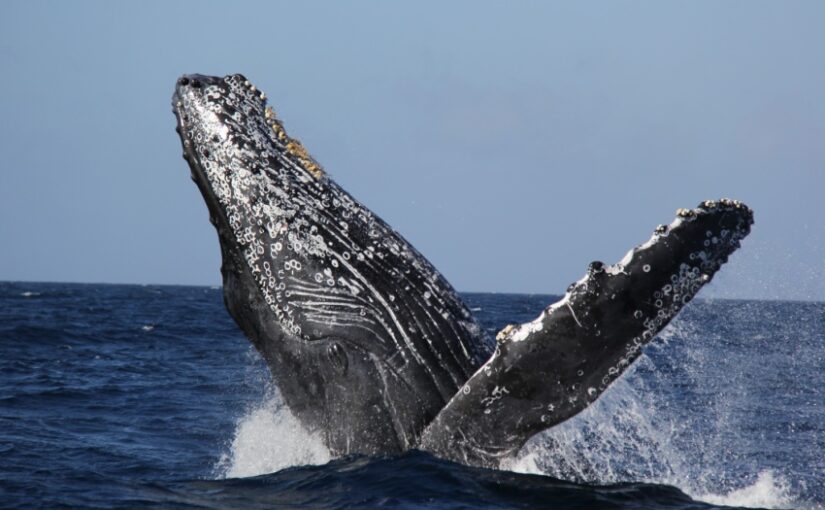
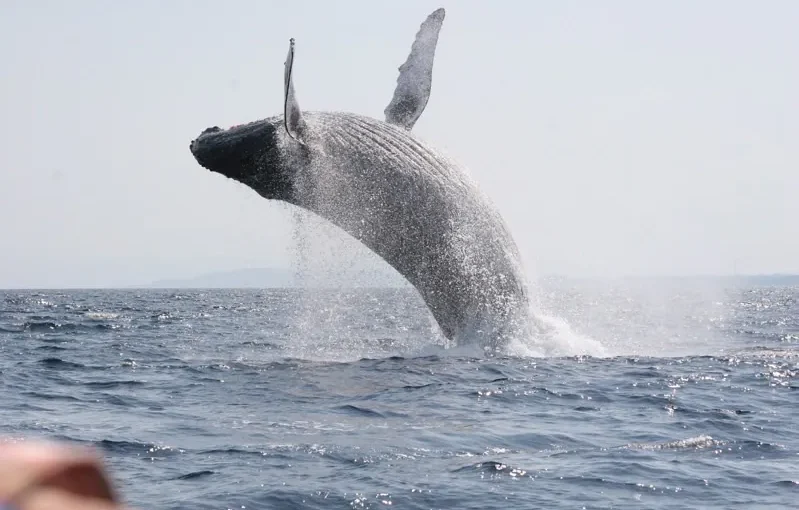

How big is a blue whale?
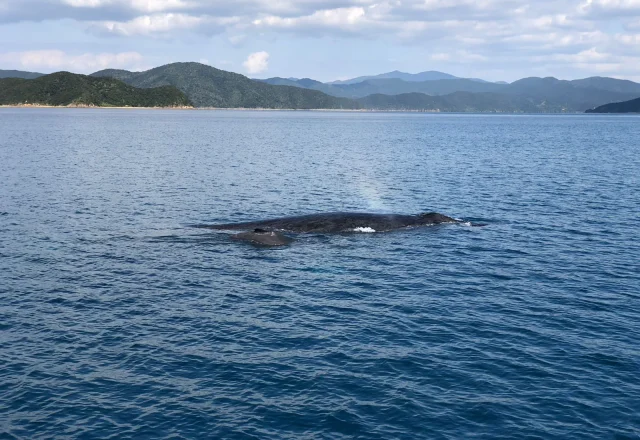
The blue whale is the largest animal currently living on Earth.
Not only are their body length and weight extraordinary, but parts like their tongues and baleen are also out of the ordinary. Let's take a look at their size in numbers!
Foreign Language Support & Pickup/Drop-off Included☆
▼Click here for popular whale-watching tours▼
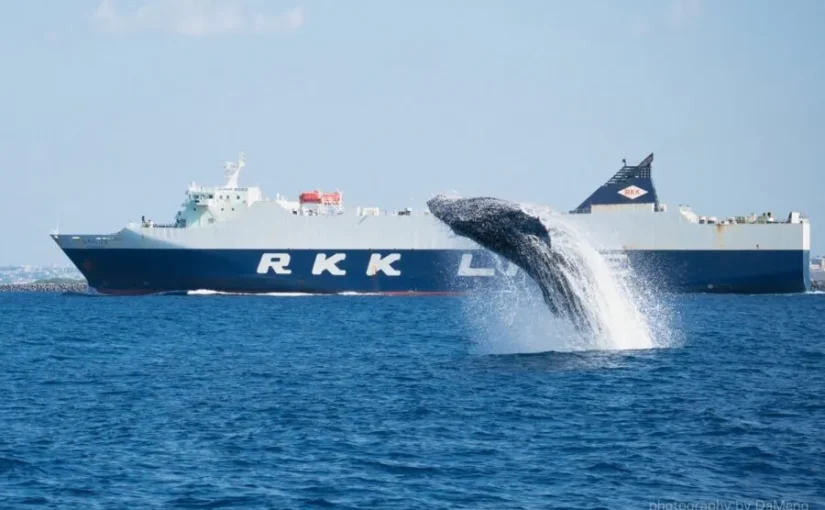
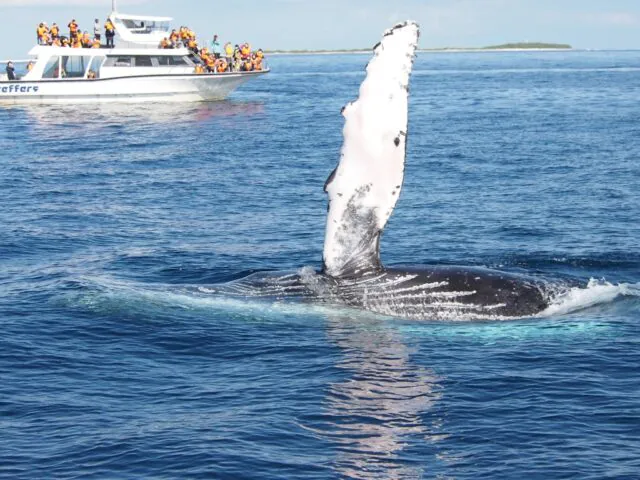
Average and Record-High Body Length and Weight

The body length of a blue whale is generally23–27 mIt is generally considered to be...
It's said that the record for maximum length is over 33 meters, and its weight exceeds 160 metric tons.
Even the Ministry of Land, Infrastructure, Transport and Tourism’s tourism materials state that they can grow up to 32 meters in length and weigh up to 200 metric tons.
Even a newborn baby isAbout 7 metersI see.
It's amazing to think that they're already bigger than adult dolphins at birth.
However, since sizes vary depending on the individual fish and the fishing grounds, please keep in mind that these are only rough guidelines.
Comparing Sizes with Other Whales and Animals

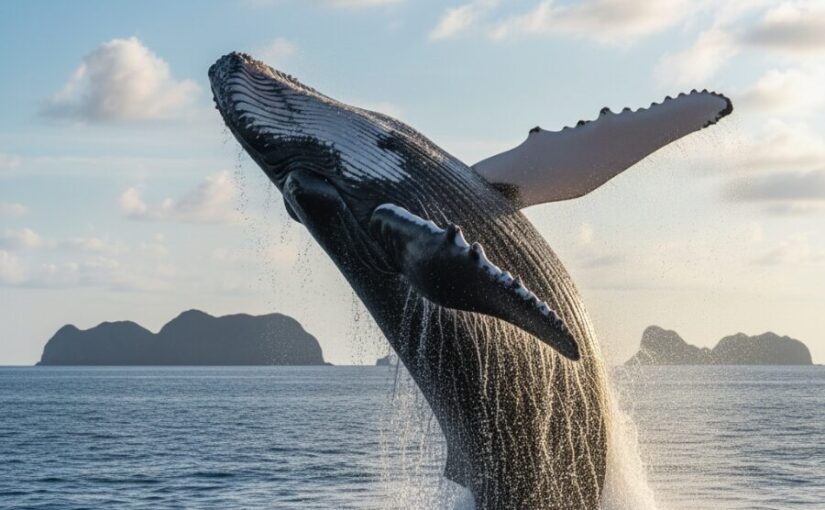
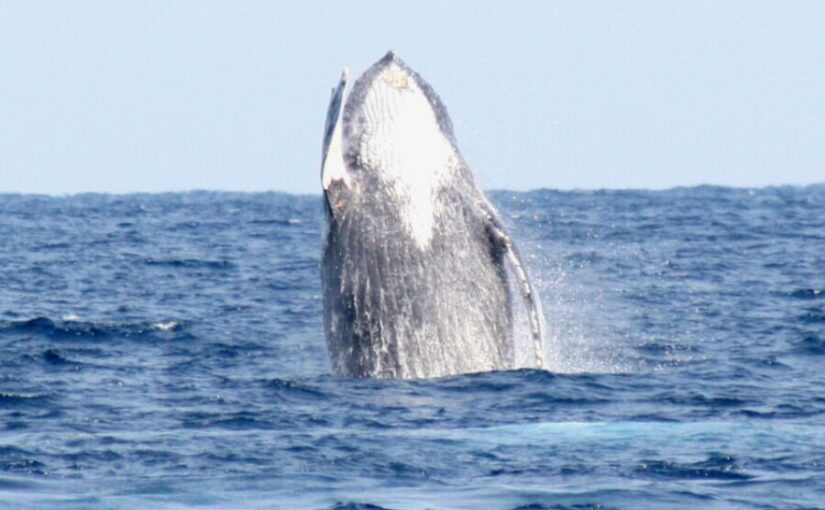
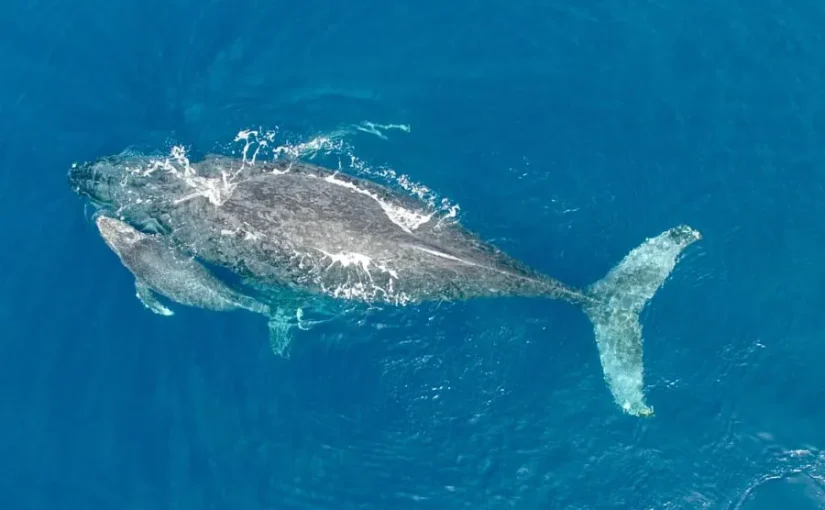
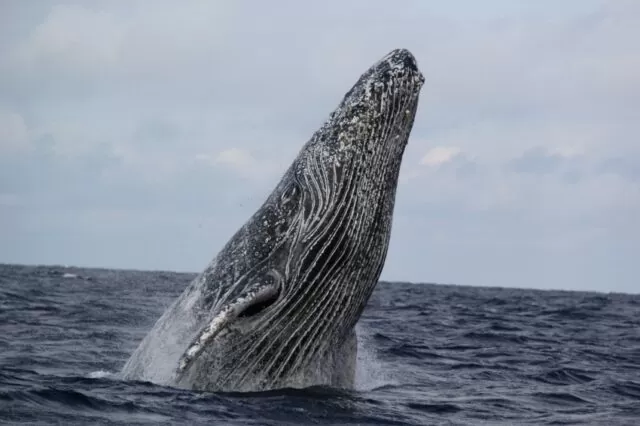
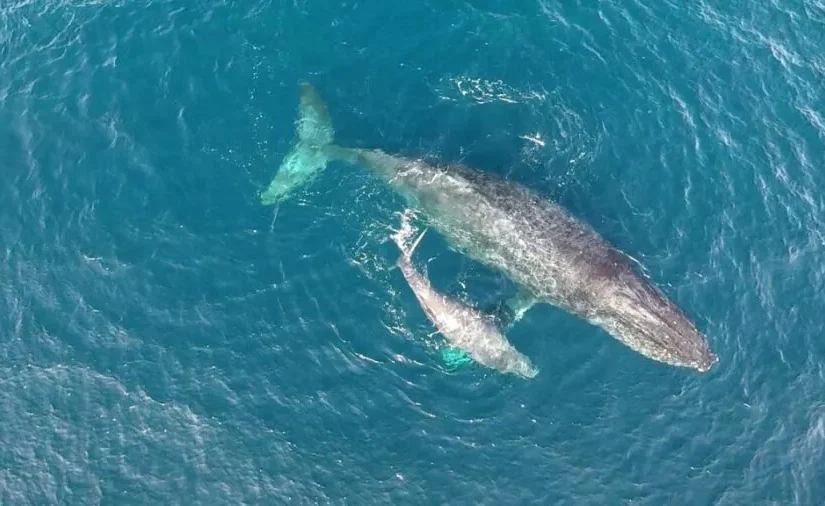
Humpback whales, a popular sight for whale watchers in Japan, typically measure 13 to 15 meters in length and weigh over 30 metric tons.
Compared to humpback whales, blue whales are about twice as long and weighMore than 5 timesIt can also be that.
Even compared to the largest elephant on land, it’s truly on a completely different scale.
It is said to be one of the largest animals in history, even when including the dinosaurs that once roamed the Earth.
They're too big to be kept in an aquarium, so the only place you can see them is out in the open ocean.
The sizes of body parts such as the heart and tongue

Even its body parts are of a size unique to the blue whale.
For example, it is said that the tongue alone weighs as much as an elephant.
Inside the mouth are "Whale Whiskers"..." are lined up in a row.
There are 270 to 395 scales on each side, and the larger ones can be as long as 90 to 110 cm.
The heart is also very large—a powerful pump that sends blood to every corner of its massive body.
The water spouts reach heights of over 9 meters—it’s even more impressive than I imagined.
Basic Information on the Blue Whale
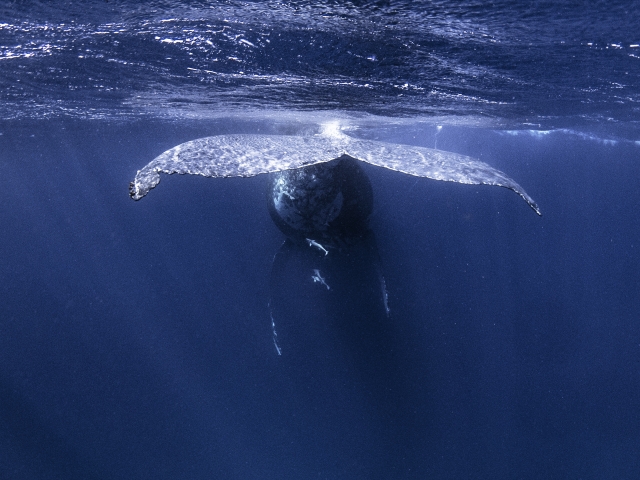
We've compiled basic information about the blue whale, including its English name, lifespan, diet, and natural predators.
Let's take a look at the lives of the world's largest animals, one by one. Knowing these facts will make whale watching even more fun!
Includes a convenient pick-up and drop-off service☆
▼Click here for popular whale-watching tours▼
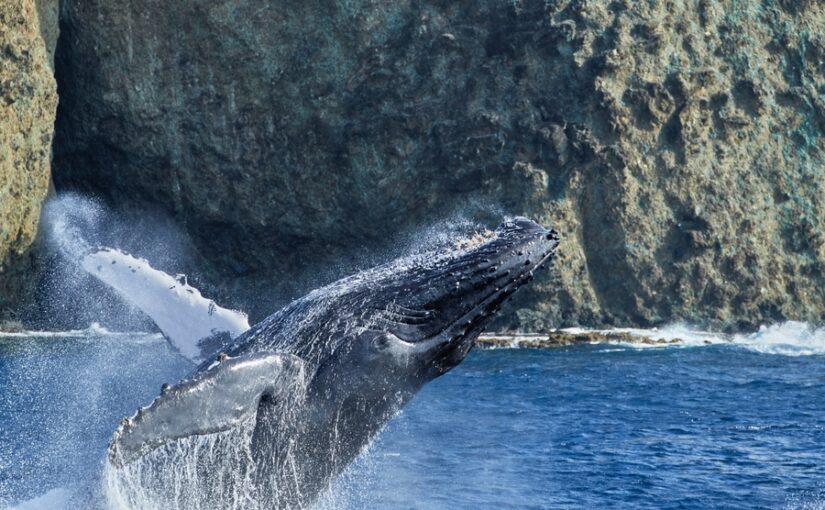
English Name and the Origin of the Name

The English name for the blue whale is “Blue Whale” (Blue Whale))"
It’s characterized by its grayish-blue coloration all over its body and the pale mottled pattern that runs from its back to its belly.
The English name "Blue" is said to derive from this bluish body color.
On the other hand, the Japanese name “Shiro” is said to derive from the fact that the fish appears white when it surfaces.
When looking for whale-watching tours abroad, try searching for "Blue Whale"—it's an easy way to find information!
How long is its lifespan?

The average lifespan of a blue whale is,1980s–1990sIt is said to be about that much.
It's an animal that lives just as long as humans, isn't it?
Because these are large animals that grow slowly, it takes time for their populations to recover once their numbers decline.
Their numbers were once drastically reduced due to whaling and poaching, and they are still considered an endangered species.
That’s one of the reasons why it’s not so easy to meet people.
That’s exactly why it’s all the more moving when you get to see them in the wild.
Food and Natural Enemies
The blue whale's main food source is "Krill"."
It is said that they open their mouths wide to swallow, filter water through their baleen, and eat several metric tons every day.
There are almost no natural predators that attack fully grown individuals.
However, in 2019, off the coast of Australia,A pod of orcasThis is the first time a young one has been observed attacking an adult.
There have been reports for some time now of baby whales being targeted by orcas.
That said, it is said that the greatest threat was past overhunting by humans.
Where are the blue whales?
Blue whales are found in oceans around the world, but it is rare to spot one.
Let me explain their habitat, migration routes, and how often they can be spotted in waters near Japan.
No need to worry, even if it's your first time!
▼Click here for recommended whale-watching tours▼

Global Habitats and Migration Routes
Blue whales are open-ocean whales found in both the Northern and Southern Hemispheres.
They can be found over a wide range, from the waters near the ice edge all the way to the equator.
It is said that in the summer, they head to the polar regions, where food is abundant, and feed intensively there.
They give birth in the winter, and their breeding grounds are tropical and subtropical seas.
Traveling long distances in accordance with the seasons,Highly migratorySo it's a whale, huh?
However, since the ocean is so vast, it’s actually surprisingly hard to spot one, even though they’re huge.
Can they be found in the waters off Japan as well?

To put it simply, when it comes to whale watching in Japan, the chances of seeing a blue whale are basicallyDon't count on it.The following is a list of the most common problems with the "C" in the "C" column.
The area around Kushiro in eastern Hokkaido was once a center for whaling.
However, blue whales are currently protected.
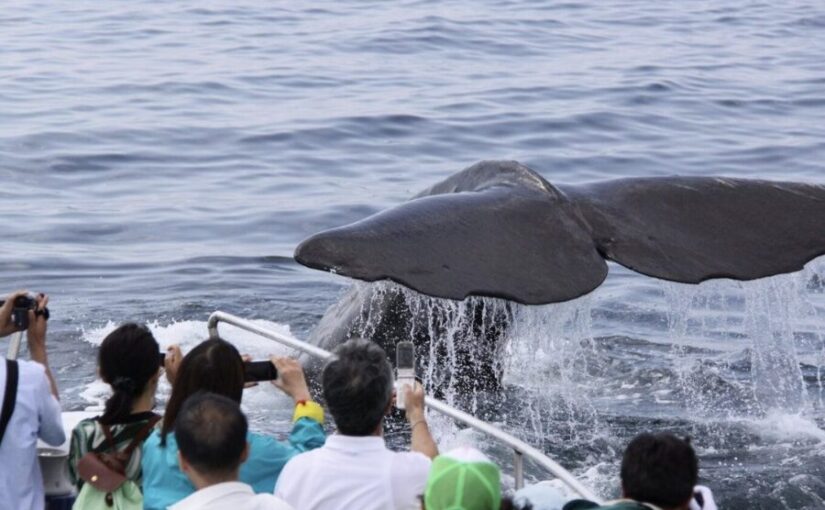
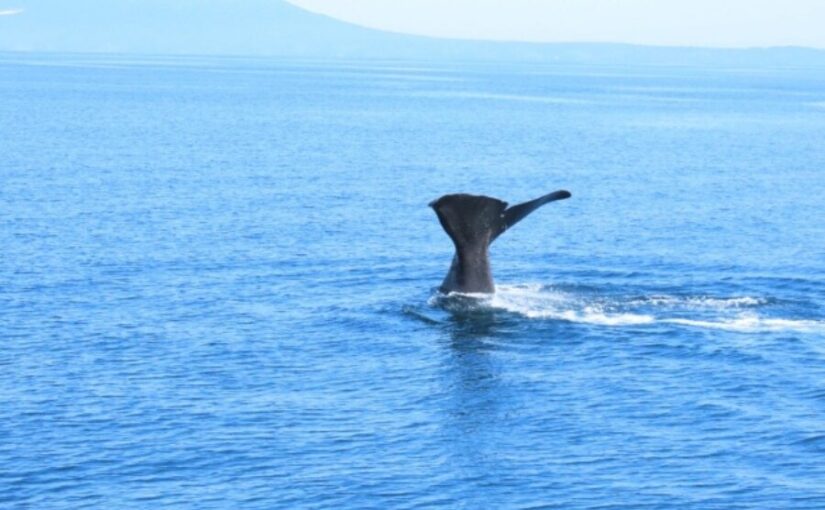
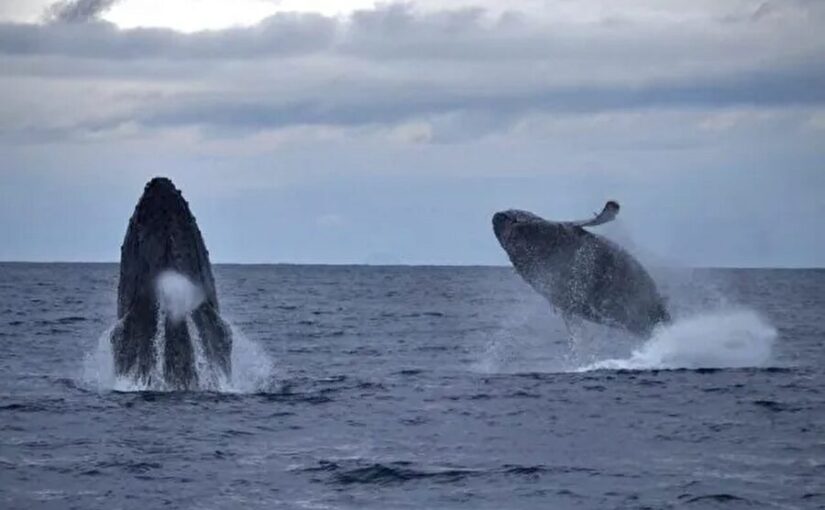
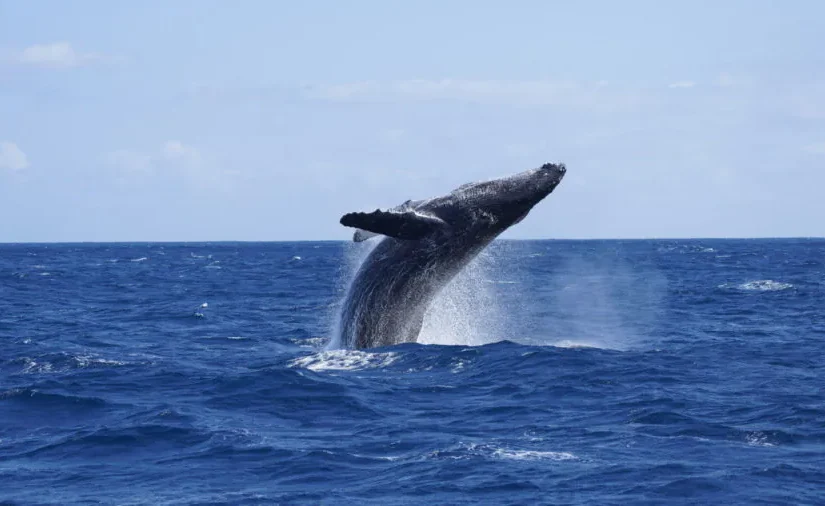
If you want to see whales in Japan, humpback whales and sperm whales are your best bets.
If you'd like to see a blue whale, why not consider an overseas tour where sightings have been reported?
How to See a Blue Whale
whale watching
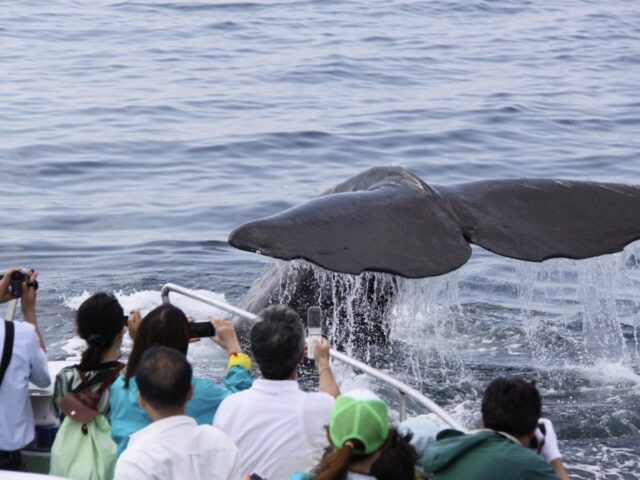
The best way to see whales is to go on a whale-watching tour.
Here’s a look at the whales you can see in Japan and the oceans overseas where blue whales have been spotted. Be sure to check out these tips for choosing a tour!
You'll find them in the winter ocean!
▼Click here for popular whale-watching tours▼


Sighted during whale watching in Japan
whale (Cetacea spp.)

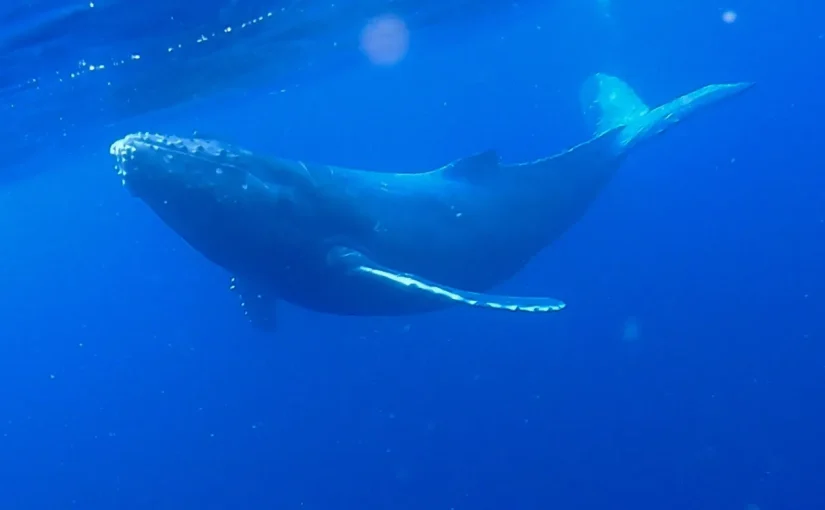
In Japan, the types of whales you can see while whale watching vary depending on the season and location.
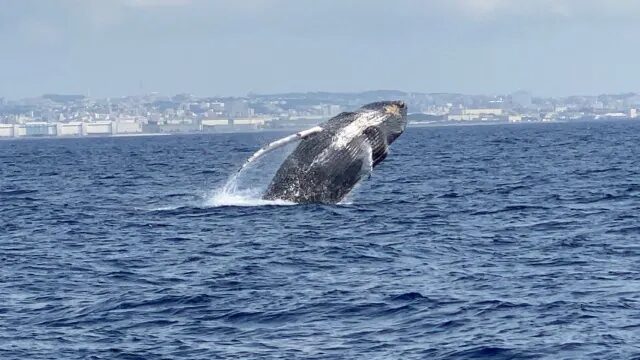
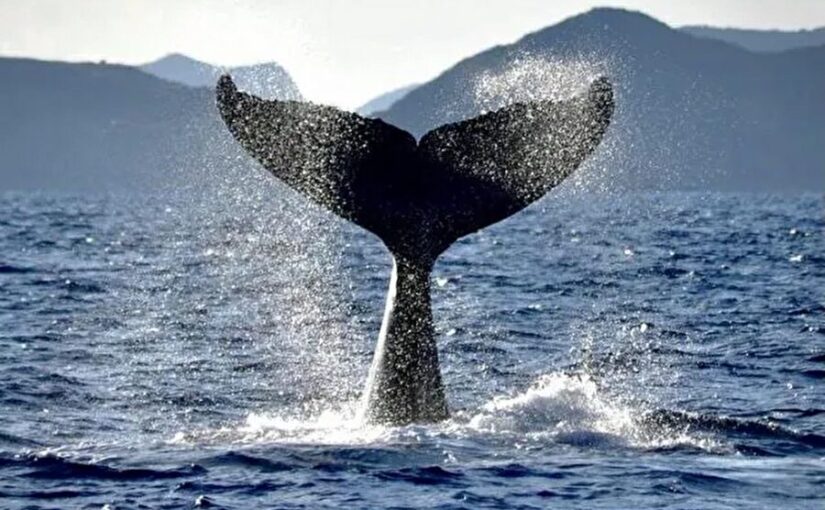
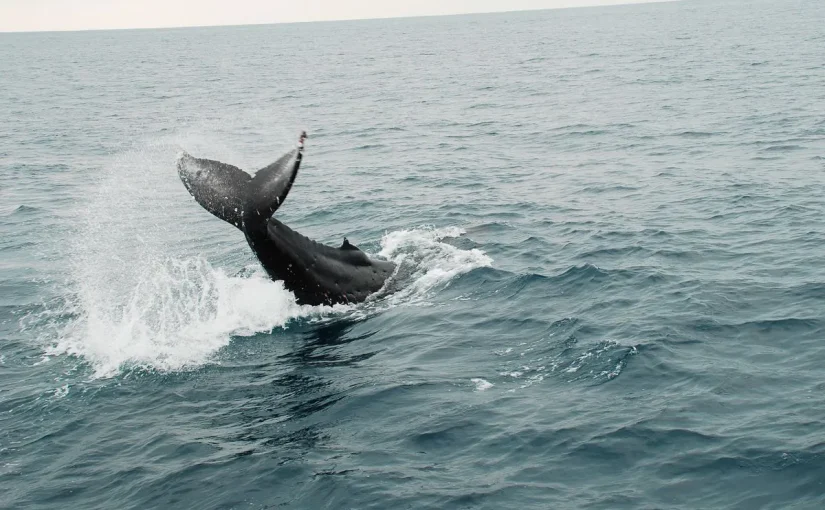
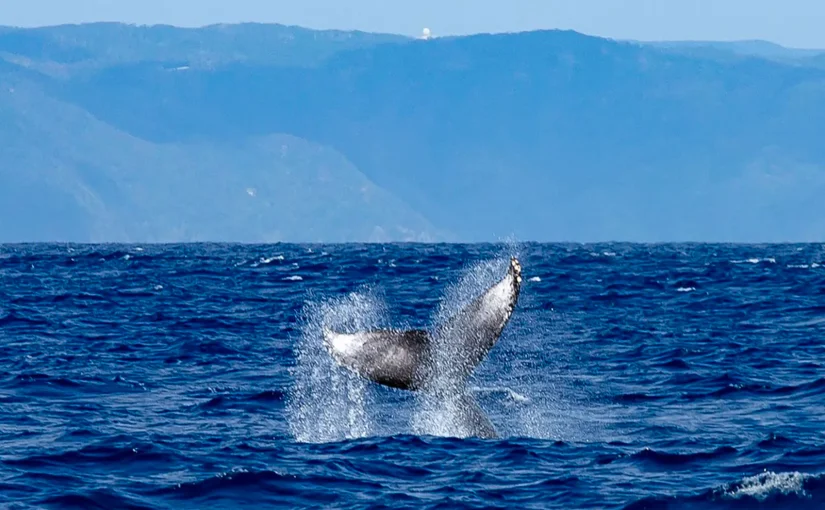
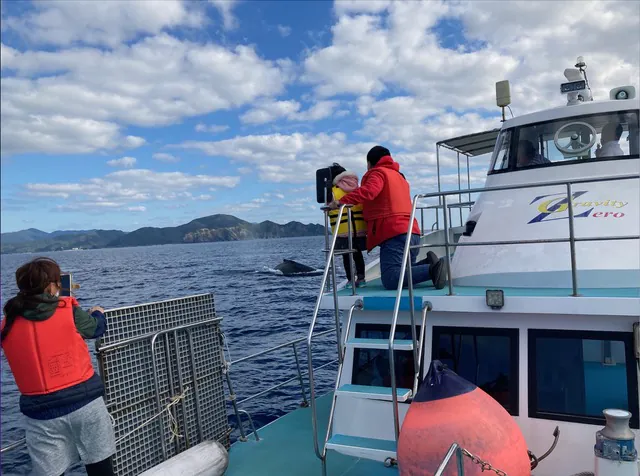
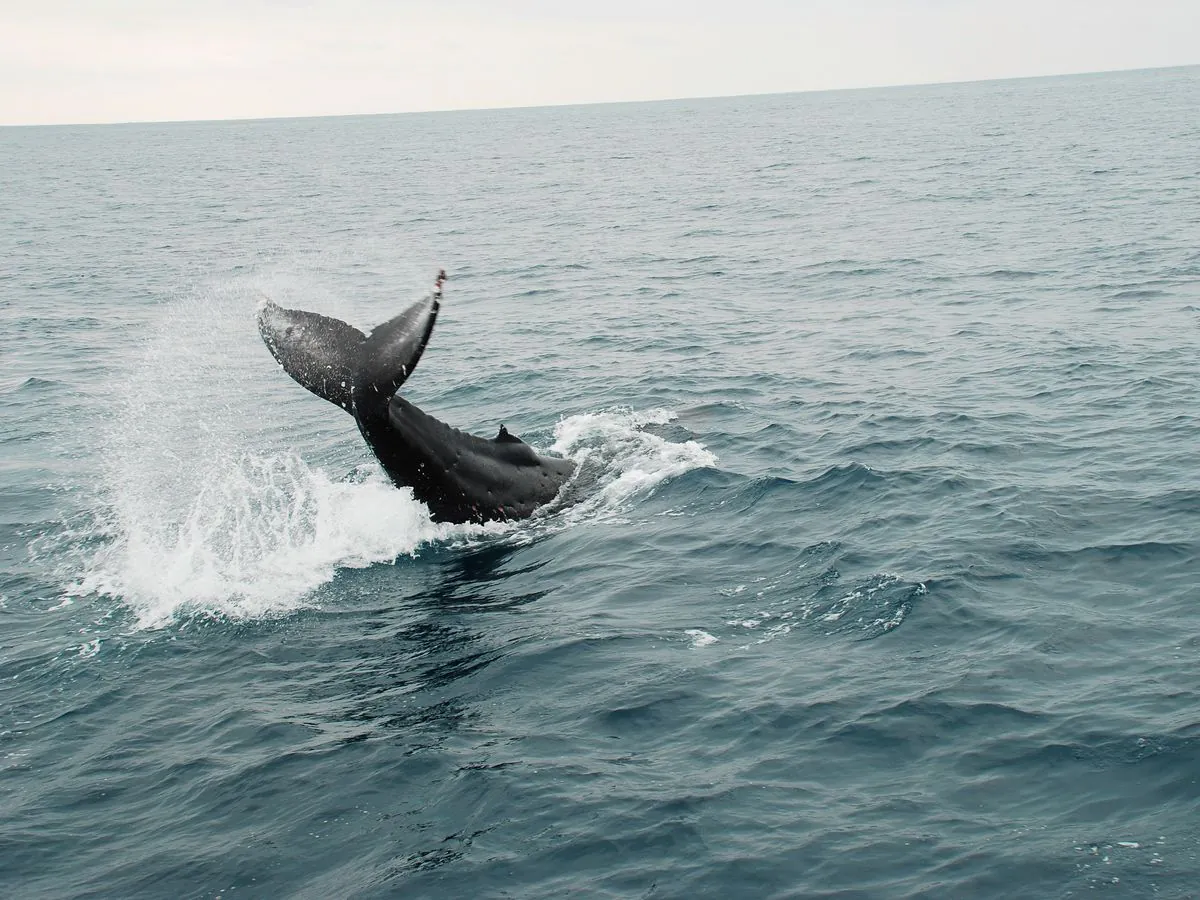
In winter, humpback whales visit the Kerama Islands off the coast of Okinawa from late December through early April to give birth and raise their calves.
Humpback whales start appearing in the Ogasawara Islands around late November, and their numbers peak from February through April.
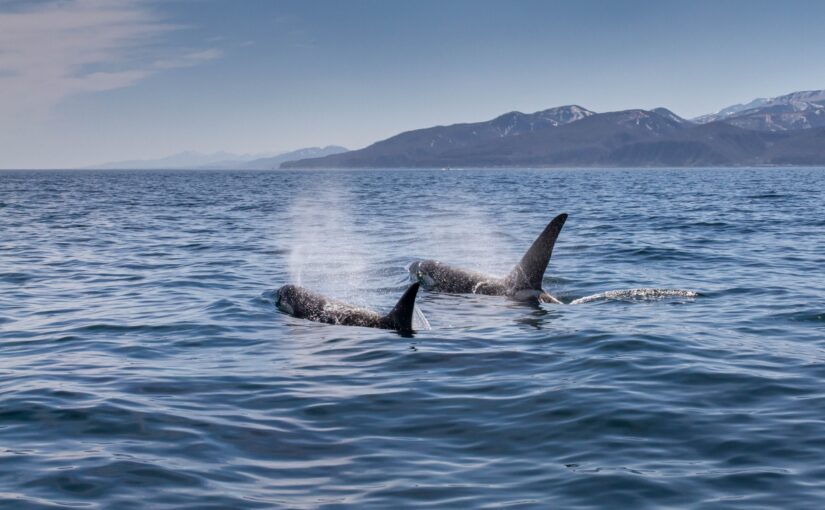
Off the coast of Rausu in Hokkaido, there are cruises where you can see orcas in the spring and sperm whales in the summer.
They may not be blue whales, but all large whales are truly awe-inspiring!
Click here for whale watching tours
Places Abroad Where You Can See Blue Whales
If you're hoping to spot a blue whale, an overseas tour is your best bet.
Sri Lanka'sOff the coast of WeligamaIt is featured as a spot where you can see blue whales near the coast.
Cruises are also operated off the coast of San Diego, California, during the season when blue whales are frequently sighted.
Since both involve nature, there's no guarantee you'll be able to see them.
Be sure to check the weather and the time of year carefully, and plan your itinerary with plenty of time to spare.
Click here for whale watching tours
Points to consider when choosing a tour

Your satisfaction with a whale-watching tour depends largely on which one you choose.
First, I’d like to confirm the types of whales we can see and the times of year when the tours are offered.
Next, small class sizes andJapanese Guide・Be sure to check the conditions that will allow you to participate with peace of mind, such as whether transportation is provided.
If you are worried about seasickness,anti-travel sickness (medicine)It's a good idea to get everything ready in advance.
Why not try finding a tour that's right for you by comparing reviews and package options?
Click here for whale watching tours
Frequently Asked Questions (FAQ) About Blue Whales
The biggest difference is their size. Blue whales are typically about 23 to 27 meters long, while humpback whales are generally 13 to 15 meters long. You can spot humpback whales in Okinawa and the Ogasawara Islands during the winter, but you generally can’t expect to see blue whales in Japan.
Yes, it's classified as an endangered species. Its population declined significantly due to whaling and poaching in the past, and it's now protected. That's part of the reason why it's so hard to spot one.
It’s a good idea to have motion sickness medication on hand before boarding. Even on overseas tours, there are cases where tour guides recommend taking motion sickness medication for safety reasons. Be sure to check the tour information in advance and make sure you’re in good health before participating.
summary
Blue whales are in the late 20-meter range in length and can reach over 30 meters at their longest.The World's Largest AnimalIt is.
They live for about 80 to 90 years, and their main food source is krill. Because they migrate across vast stretches of ocean, it’s not easy to come across them.
When whale watching in Japan, you generally shouldn't expect to see blue whales.
Why not start by experiencing the awe-inspiring sight of humpback whales and other marine life here in Japan, and then, if you get the chance, try an overseas tour?
Use this article as a guide to find the perfect whale-watching trip for you!
▼Click here for articles to read in conjunction with this article.