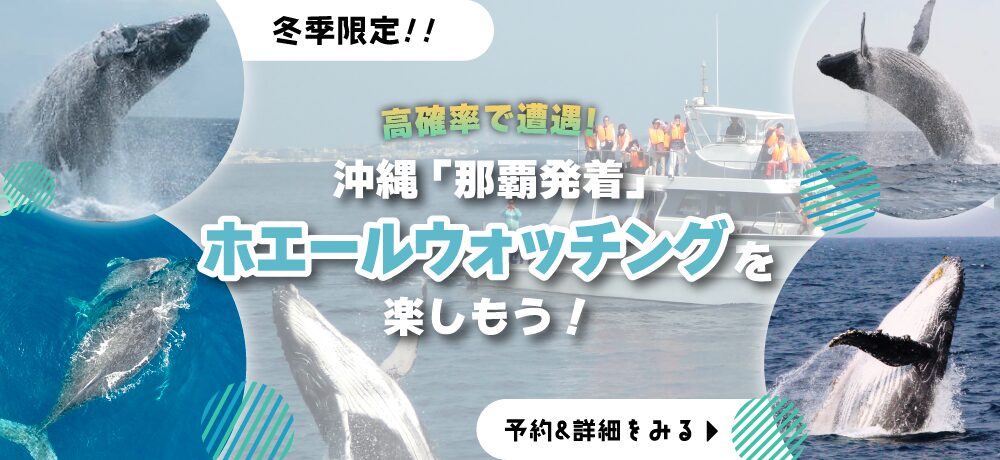
Whales Spotted in the Kerama Islands! A Guide to Whale-Watching Season, Sighting Rates, and Recommended Tours!

Where should I go to go whale watching in Kerama?
If you're staying on the main island of Okinawa,Departing from Naha and ChatanYou can take a day trip to the Kerama Islands on one of these tours. If you’d like to stay overnight on the islands and take your time enjoying the Kerama Islands in winter, choose a boat departing from Zamami Island or Tokashiki Island.
Held in Kerama (Zamami, Tokashiki, Aka Island)!
What is the whale watching season and encounter rate?

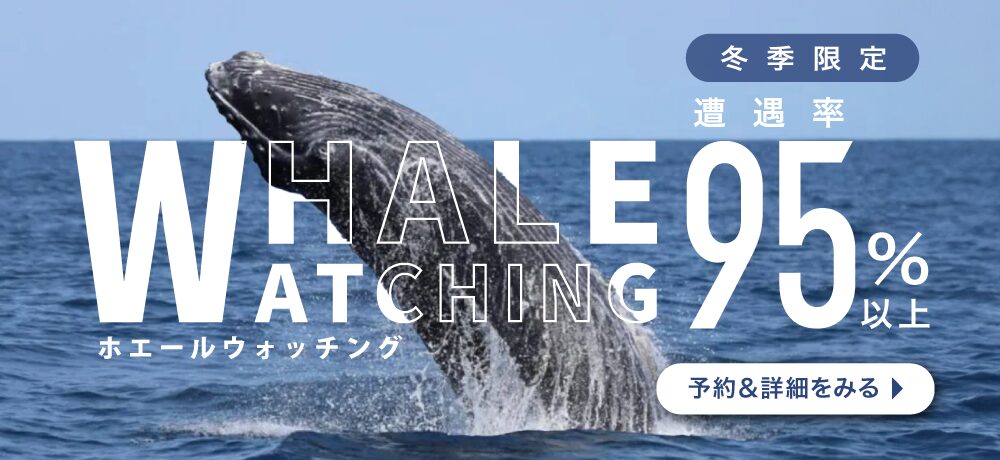
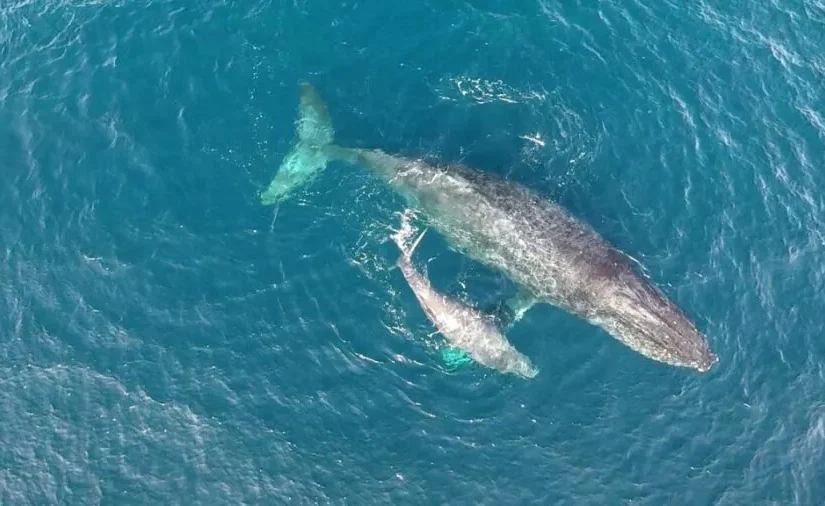
Every winter, humpback whales migrate to the waters around the Kerama Islands (Zamami, Tokashiki, and Aka) to breed and raise their calves.
Whale watching is available from mid-December through early April, andA Day Trip from NahaOne of the Kerama Islands' biggest attractions is that you can go see them.
First, I’ve summarized the basics of whale watching in the Kerama Islands in a table.
| Best Time to See It | Mid-December through early April (whales are most abundant from January through March) |
|---|---|
| Whales You Can See | Humpback whale (body length approximately 12–14 meters) |
| Point of Departure | Naha and Chatan (Okinawa Main Island) / Zamami Island and Tokashiki Island |
| the time required | Approx. 3 to 3.5 hours from Naha and Chatan / Approx. 1 to 2 hours from Zamami Island |
| How old do you have to be to participate? | Some tours are open to children as young as 0 years old (subject to the boat and sea conditions) |
| What if I can't see it? | Some tours offer a full refund or a chance to take the tour again if you don't see the animals between February 1 and March 15. |
◆For those who are unsure whether to choose a tour departing from Naha or from the islands
◆For those who want to know the differences between Zamami Island, Tokashiki Island, and Aka Island
◆For those traveling with children or who are nervous about going on their first whale-watching trip
Click here for the ranking of popular whale-watching tours
A Day Trip from Naha to the Kerama Islands☆
▼Click here for recommended Kerama whale-watching tours▼

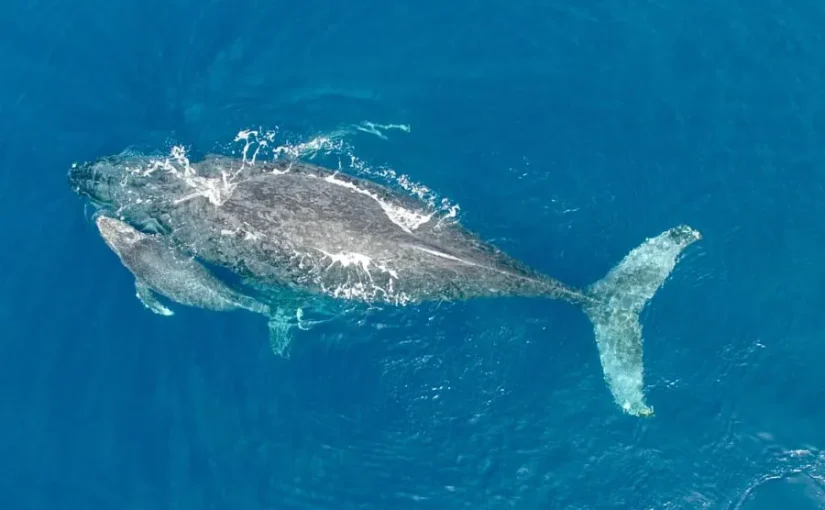
The Best Season for Whale Watching in Kerama

Humpback whales return to the waters around the Kerama Islands around December each year. After giving birth and raising their calves, they return to the northern seas with their calves in the spring.
The tours listed on Tours that depart from Naha and Chatan will be held from December 19, 2026, to April 4, 2027. Tours operated by the Zamami Village Whale Watching Association, which depart from Zamami Island, are typically held from January through the end of March each year.
Weekdays during the season are also a great time to visit☆
▼Click here for afternoon tours departing from Naha▼
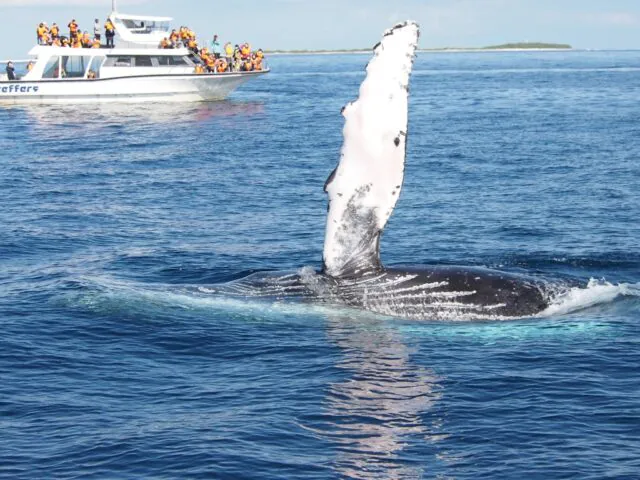

Monthly Highlights
Although there aren't many whales yet, there are few tourists, so you can enjoy the tour in a relaxed atmosphere.
◆January–March
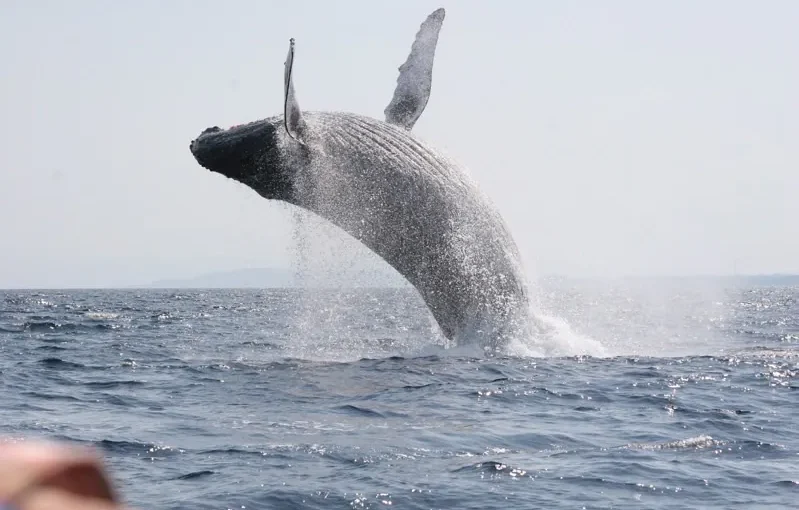
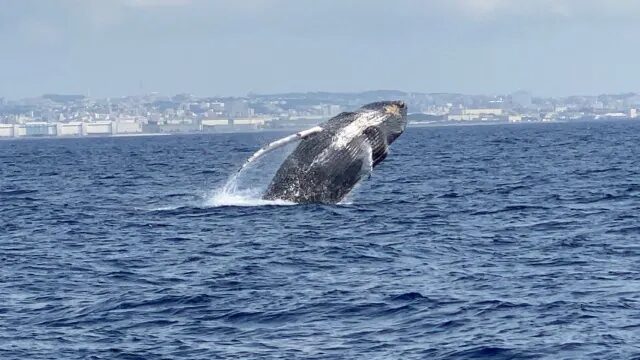
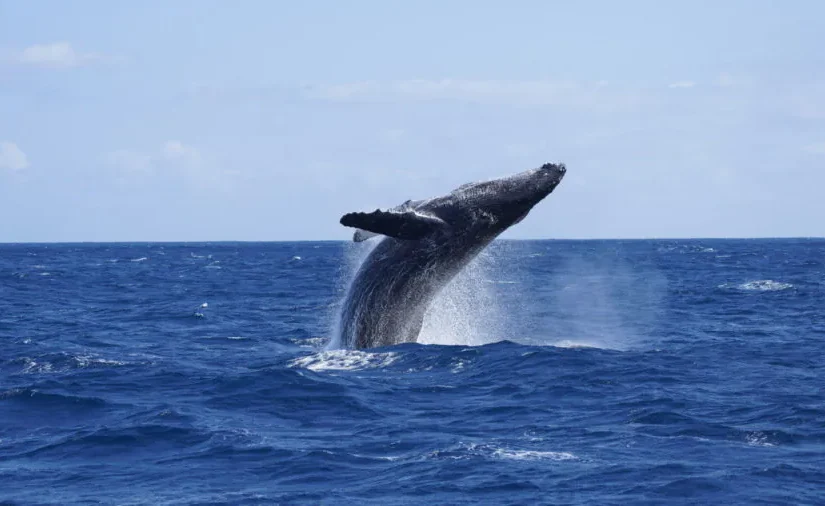
This is the peak of the season when whales gather in large numbers, and you may even see them breaching or mother-and-calf pairs.
◆April
The whales are beginning to head north, and as the number of warm days increases, it becomes more pleasant to be on board.
In winter, the waves in Okinawa’s ocean are often higher than in summer. To be on the safe side, it’s a good idea to build in an extra day in your travel itinerary in case the sea gets too rough for boats to sail.
January is the busiest month for reservations. We recommend making reservations about one month in advance.
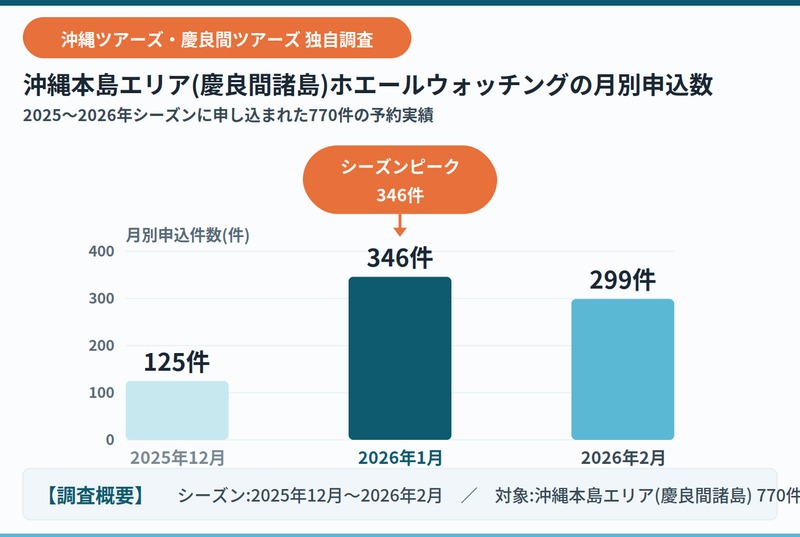
125 cases in December 2025, 346 cases in January 2026 (peak of the season), 299 cases in February 2026
The most popular booking option on Tours isJanuarySo, dates around the New Year’s holidays and long weekends tend to fill up first. Once you’ve decided on a date, be sure to make your reservation about a month in advance.
Why You Can See Whales in Kerama
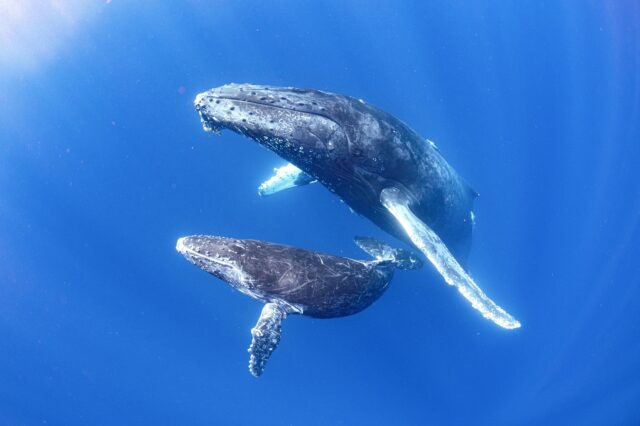
There’s a reason why so many humpback whales gather around the Kerama Islands every year.
During the summer, humpback whales feed extensively in the cold northern waters of Russia and Alaska to build up their reserves of nutrients. When winter arrives, they migrate thousands of kilometers south to warm waters like those around Okinawa to give birth and raise their calves.
The inner sea surrounding the Kerama Islands is calm, and because the water is shallow, even those who aren't strong swimmersBaby whaleStill, it's a pleasant place to be. It's believed that one reason whales gather here is that, even when the wind shifts, they can take shelter from the waves in the lee of the island.
The Zamami Village Whale Watching Association has been recording the tail fin markings of individual whales since 1991 and has identified more than 1,800 whales to date. Some of these whales are regulars that have been returning to Zamami for over 30 years.
Whale Behavior Observed from a Boat
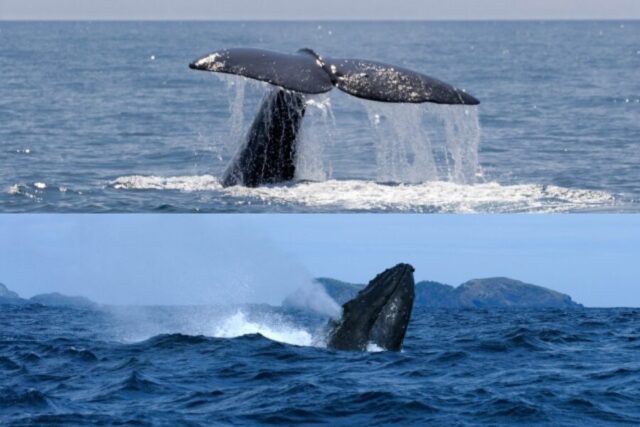
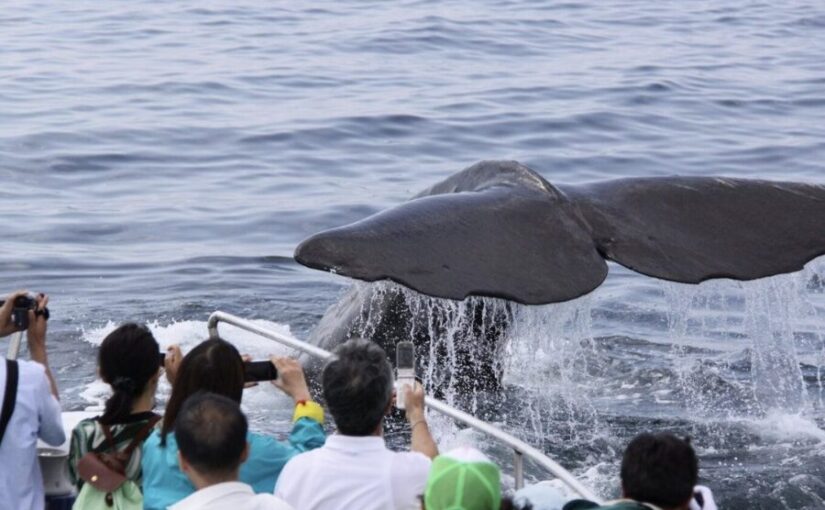
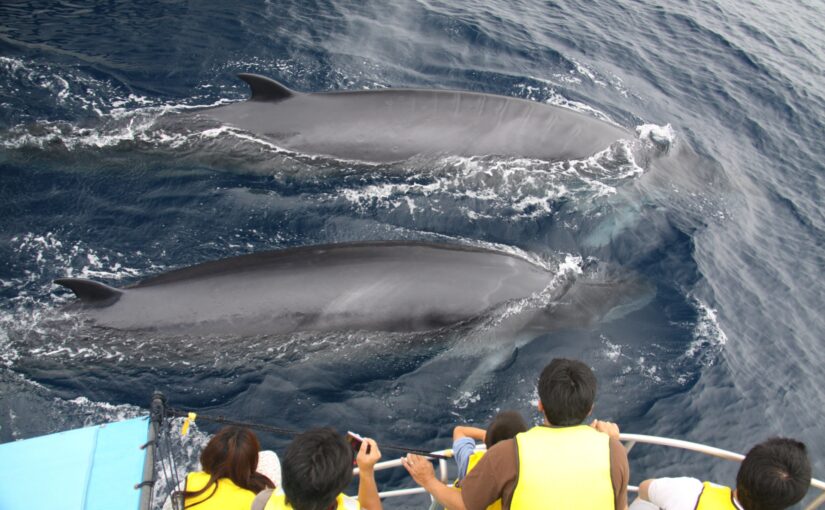
Humpback whales are 12 to 14 meters long and weigh about 30 to 40 metric tons, making them roughly the same size as whale-watching boats. From aboard a boat, you may observe the following behaviors:
| Name of the Action | What kind of movement? |
|---|---|
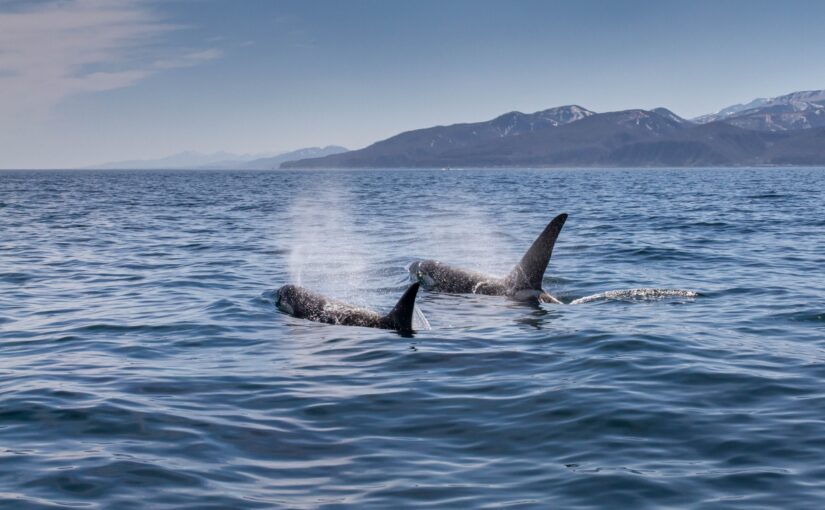
| Squirting | When it breathes, it blows a 3- to 5-meter-high plume of white vapor. This is visible even from a distance and serves as a landmark for spotting whales. |
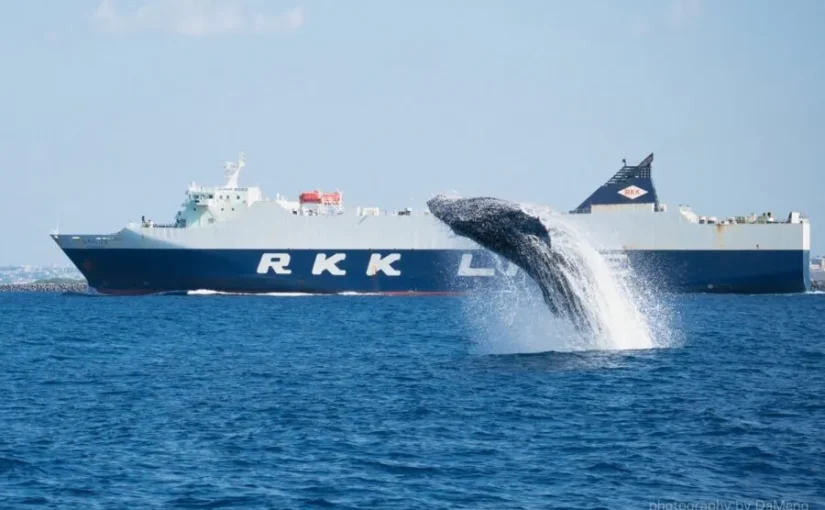
| bleach | Jump high into the air with most of its body above the water's surface |
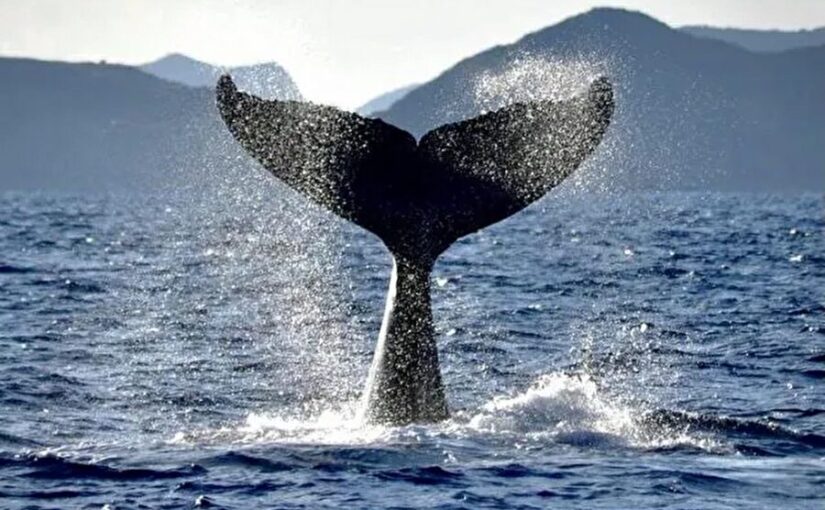
| Tail Slap | It lifts its tail fin and slams it against the surface of the water, creating a loud noise and a spray of water. |
| Pex Slap | It slaps the surface of the water with its long pectoral fins, which are about one-third of its body length |
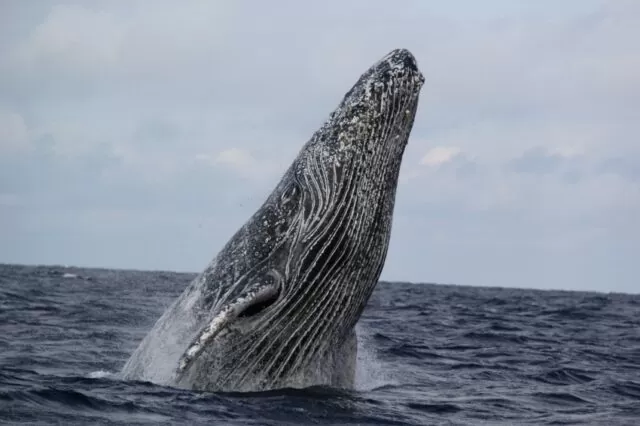
| spy hop | It raises its head vertically out of the water, looks around, and then submerges |
| fluke-up | It raises its tail fin high and dives deep. It may stay submerged for 5 to 20 minutes before surfacing to breathe again. |
Even if a whale dives underwater, it may resurface nearby after a short while. As you listen to the guide’s explanation, keep an eye on the changes on the water’s surface.
Relax and enjoy the sights on a large boat☆
▼Click here for boat tours with minimal motion▼
Naha or the Islands: Which Should You Choose? Differences Between Tours

There are two ways to go see the whales in the Kerama Islands: take a boat from the main island of Okinawa (Naha or Chatan), or travel to Zamami Island or Tokashiki Island and then take a local boat from there.
| Departing from Naha and Chatan | From Zamami Island | From Tokashiki Island | |
|---|---|---|---|
| Getting to the Island | I don't need it | About 50 to 120 minutes by boat from Tomari Port | About 40 to 70 minutes by boat from Tomari Port |
| Holding period | Mid-December to early April | Usually from January through the end of March | Held exclusively during the peak whale-watching season |
| time zone | Morning and Afternoon | Morning and Afternoon | Mornings Only |
| Who This Is For | Those staying on the main island, those traveling with children, and those on a short trip | For those who want to stay on the island and enjoy winter in Kerama | For those who want to stay on the island and enjoy some peace and quiet |
Ferries to the island may be canceled in bad weather. For those on a short trip or traveling with children and wanting to minimize travel,Departing from Naha and ChatanThese tours are easy to join.
Features of Tours Departing from Naha and Chatan
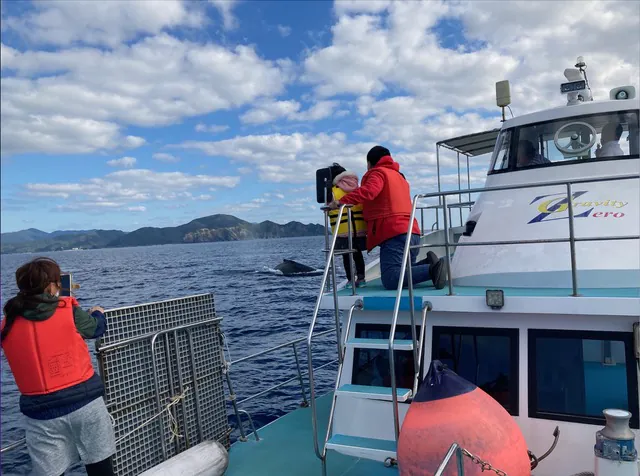
Tours lists five tours that depart from Miejo Port in Naha or Chatan and head out to the waters around the Kerama Islands (with a total of 112 reviews). All of these are day trips that meet at the port and return there after approximately 3 to 3.5 hours.
◆No. 367(Morning)・No. 368(Afternoon): Departs from Chatan; open to participants ages 0 and up; convenient for those staying in the American Village area
◆No. 422: Departing from Naha, this large, sea-stable ship features restrooms and a second-floor deck; suitable for ages 3 to 80
No. 362・No. 363・No. 367・No. 368If no whales are sighted between February 1 and March 15,Full Refund or Another TripYou can choose from the following options (please check the page for each plan for detailed terms and conditions).
With transportation included, it's perfect for families with children☆
▼Click here for popular tours departing from Naha▼
Important Notes for Participants from the Island

For tours departing from Zamami Island and Tokashiki Island, you’ll join the tour after arriving on the island. Since there are only a few ferry departures per day from Tomari Port to the islands, you’ll need to check the ferry schedule and the tour’sMeeting TimeLet's check that first.
At Tomari Port, the boarding area varies depending on the vessel. The ferry “Zamami” bound for Zamami Island and Aka Island departs from in front of Tomarin, while the high-speed boat “Queen Zamami” departs from the north shore of Tomari Port (about a 10-minute walk from Tomarin).
How to increase the probability of whale encounters and what to look out for

Since whales are wild animals, there’s no guarantee you’ll see them. Here are some tips to help increase your chances of spotting them, even if only slightly.
Choose a time when whales are abundant, and set aside a few extra days

The surest way is to go where whales gather in large numbersJanuary - Marchis to participate.
Since whales have been spotted on both morning and afternoon tours, you can choose whichever one fits your itinerary.
When the sea gets rough, the boat may not be able to set sail. The captain will decide whether to proceed based on sea conditions, and the guide will contact those with reservations by the day before the trip.
It's a good idea to participate in the first half of the itinerary so that, in case the event is canceled, you can reschedule for another date.
Choose a tour that includes a system for spotting whales.

In the Kerama Islands, boats use radio to share information about whale locations with one another as they search for whales.
On Zamami Island, association staff use binoculars from a mountain observation deck to look for spouts, then radio each boat to report the whales’ location, number, and direction of travel. Another distinctive feature is that they direct the boats to different whales to prevent too many vessels from gathering around a single whale.
If you take a tour led by a guide who knows a lot about whales, they'll explain the meaning behind their behavior and tell you where they're likely to surface next, so you'll enjoy it even more.
A captain who knows the Kerama Islands’ waters inside and out will be your guide☆
▼Click here for the Kerama Whale-Watching Tour▼
Click here for whale-watching tours in the Kerama Islands
Explanation of each whale watching spot!
Zamami, Tokashiki, and Aka Island Recommendations

Whale watching in the Kerama Islands varies in atmosphere and how it’s experienced from island to island. Please use this as a reference when deciding which island to stay on.
Whale watching in Zamami Island

Zamami Island has been doing this since 1991Whale Watching AssociationIt is the hub for whale watching in the Kerama Islands. You can join a tour on a boat affiliated with the association; the tour departs from Zamami Port and lasts about 1 to 2 hours.
The association has established voluntary guidelines to minimize stress on whales. These include not approaching whales within 100 meters, avoiding sudden acceleration or sharp turns, and limiting observations of mother-and-calf pairs to one hour or less.
If you are participating as an individual, please apply directly to a boat shop that is a member of the association. For more details,Official Website of the Zamami Village Whale Watching AssociationPlease check there.
◆Access: About 50–70 minutes from Tomari Port on the Queen Zamami high-speed ferry, or about 90–120 minutes on the Zamami ferry
◆Inquiries: Zamami Village Office, Naha Branch Office, 098-868-4567
I would like to know more details! What is Zamami Island like?
Whale watching on Tokashiki Island

Tokashiki Island is the closest of the Kerama Islands to Naha, and it takes about 40 minutes to get there by high-speed boat.
The Tokashiki Village Whale Watching Association’s tours are held exclusively during the peak whale-viewing season, and the times areMornings onlyThat's right. Since the event runs for a shorter period than in other regions, if you'd like to participate from the island, be sure to check the schedule early.
◆Access: About 40 minutes from Tomari Port on the “Marine Liner Tokashiki” high-speed ferry, or about 70 minutes on the “Tokashiki” ferry
◆Inquiries: Tokashiki Village Naha Liaison Office 098-868-7541
I would like to know more details! What kind of remote island is Tokashiki Island?
Whale watching at Aka Island

Aka Island is part of Zamami Village, just like Zamami Island, and both the high-speed boats and ferries departing from Tomari Port stop at both Aka Island and Zamami Island.
Since you can travel between Aka Island and Zamami Island on the village ferry “Mitsushima,” you can stay on the quiet Aka Island whileFrom Zamami IslandYou can also join a tour. Please check with the shop where you make your reservation in advance to see if the boat’s departure time aligns with the tour’s meeting time.
◆Access: About 50–70 minutes from Tomari Port on the Queen Zamami high-speed ferry, or about 90 minutes on the Zamami ferry
◆Inquiries: Zamami Village Office, Naha Branch Office, 098-868-4567
I would like to know more about it! What kind of remote island is Aka Island?
For Beginners! What You Should Know Before Traveling
Whale watching precautions
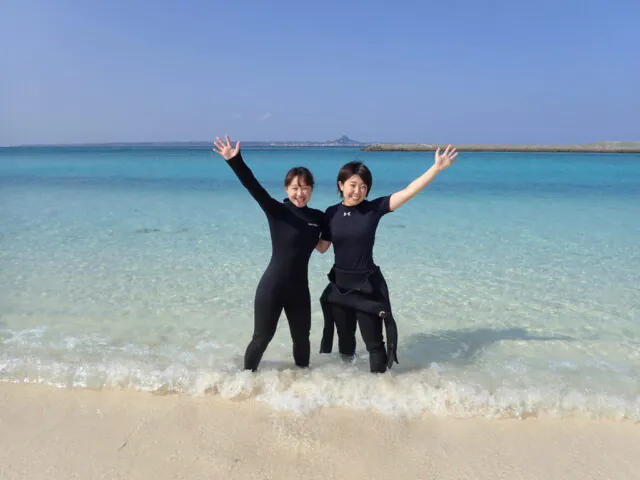
We've put together a list of things to prepare for if this is your first time whale watching.
Take precautions against seasickness!

The waves in Okinawa's ocean are a bit higher in winter than in summer. If you're not used to being on a boat, before we set sail,anti-travel sickness (medicine)It's a good idea to drink some beforehand.
Getting a good night's sleep the day before and avoiding both hunger and overeating are also tips for preventing seasickness. Once on board, try to focus on the distant scenery.
⬇︎ for an article about seasickness on whale watching.
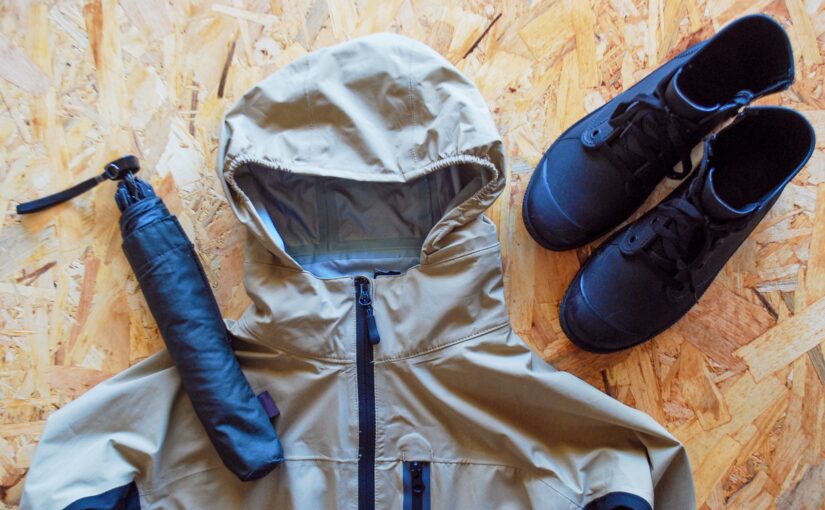
When choosing what to wear and what to bring, keep warmth and waterproofing in mind.

The wind is strong out on the winter sea, and it feels much colder than on land. Be sure to bring warm clothing, such as a jacket and a hat, and wear clothes that can handle getting splashed.
Since the boat may rock, we recommend wearing sneakers with good traction. If you bring binoculars or a camera, you’ll be able to enjoy watching whales in the distance.
⬇︎Check out this article for clothing recommendations by season and weather.
Participation by Parents with Children and Pregnant Women
Some tours departing from Naha and Chatan are open to participants as young as 0 years old. However, infants, toddlers, and seniors may not be allowed on board depending on sea conditions.
Since the rocking and vibrations of the boat can be physically taxing for pregnant women, most tours do not allow them to board. Please check the participation requirements for each tour before booking.
Frequently Asked Questions (FAQ) About Whale Watching in Kerama
You can see them. Tours departing from Miejo Port in Naha or Chatan head out to the waters around the Kerama Islands in search of whales and return to port after about 3 to 3.5 hours. Since there’s no need to travel to the islands, these tours are easy to join even for those with a tight schedule.
The Zamami Village Whale Watching Association has established voluntary guidelines, such as ensuring that boats do not come within 100 meters of whales and limiting observations of mother-and-calf pairs to one hour. We observe the whales from a distance that does not cause them stress.
summary

Whale watching in Kerama is available from mid-December through early April, and the whales tend to gather in large numbers duringJanuary - MarchIt is.
If you’re staying on the main island, choose a tour departing from Naha or Chatan; if you’d like to relax on the islands, opt for a tour departing from Zamami Island or Tokashiki Island. Choose the option that best suits your travel style. Tours tend to fill up quickly during peak season, so we recommend booking as soon as your itinerary is set.
Click here for whale-watching tours in the Kerama Islands
▼Click here for articles to read in conjunction with this article.